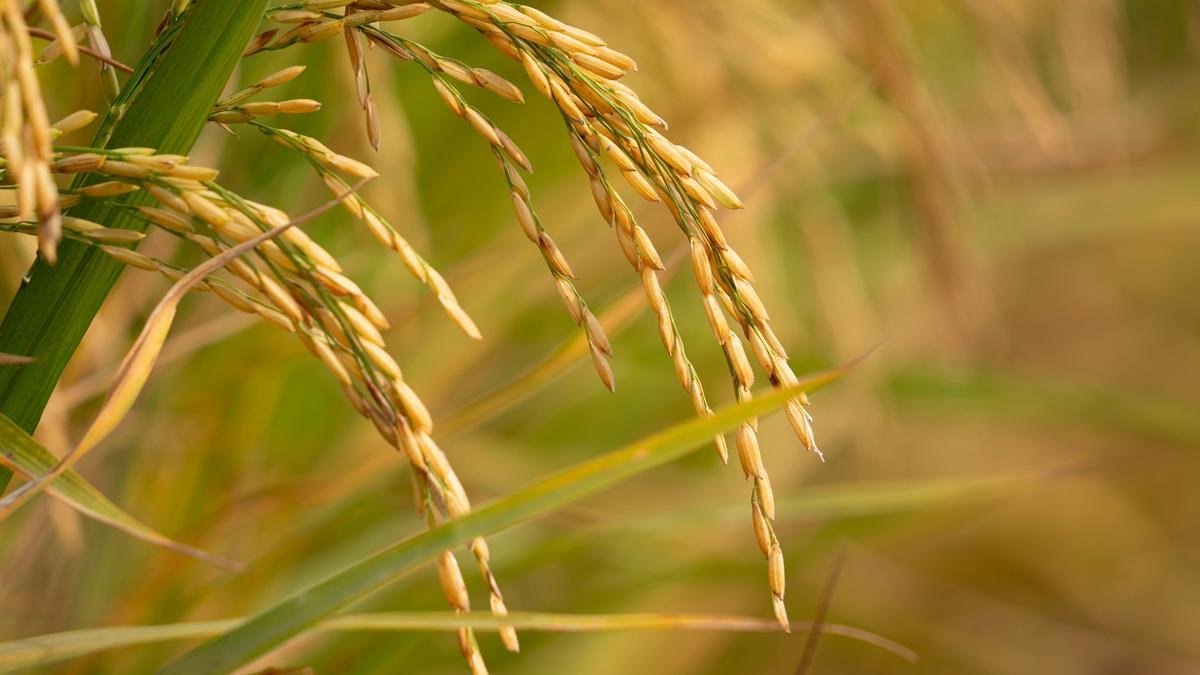


India’s food security largely depends on rice and wheat, which take up more than half our farmland and provide most of the calories Indians eat. Representative image.
| Photo Credit: Thompson Le/Unsplash
Technology is rapidly changing the way we cultivate rice and wheat, and India has the opportunity to lead the pack if we restore the attraction of fundamental research in plant sciences to our students. The shrillness of anti-GMO voices have driven aspiring biology researchers to other areas of life sciences, which use much the same methods. We need to bring them back to plant research, too.
India’s food security largely depends on rice and wheat, which take up more than half our farmland and provide most of the calories Indians eat. Scientists and breeders designed today’s wheat and and rice varieties at a time when the consequences of excess fertilizer use on soil were not sufficiently anticipated, when pesticides were used to hit insects and other pests with a metaphorical hammer, and when water and electricity were abundant or heavily subsidised.
Published – October 29, 2026 07:30 am IST