For years, Apple’s ‘Pro Max’ model was the North Star of the iPhone lineup, but that changed this year with the iPhone Duo. Not only that, but there’s no base model until early next year. So, that makes the iPhone 18 Pro Max the model that has to carry the entire lineup this year, since the Duo isn’t for everyone. The iPhone 18 Pro Max has been around for over a month, and the initial launch excitement has settled. This is perhaps the right time to look at the phone beyond the specifications and headline features. Having used the iPhone 17 Pro Max for almost a year, I switched to the iPhone 18 Pro Max about three weeks ago. And if there’s one thing that became clear during this period, it’s that Apple’s latest flagship is an excellent smartphone, but not necessarily a compelling upgrade.
The iPhone 18 Pro Max looks familiar, has an almost identical display, and delivers the sort of performance we’ve come to expect from Apple’s Pro models. There are upgrades, of course. The new A20 Pro chip brings more processing power, the camera system gets a variable aperture, and iOS 27 introduces several changes to the overall experience. However, not all these improvements are immediately noticeable, especially if you’re coming from last year’s model.
It starts at Rs. 1,79,900 in India for the 256GB model. I got the 512GB variant for review, which is priced at Rs. 2,04,900. So, does the iPhone 18 Pro Max offer enough to justify the upgrade, or is it better suited to someone coming from an older iPhone? Here’s my review after three weeks of extensive use.
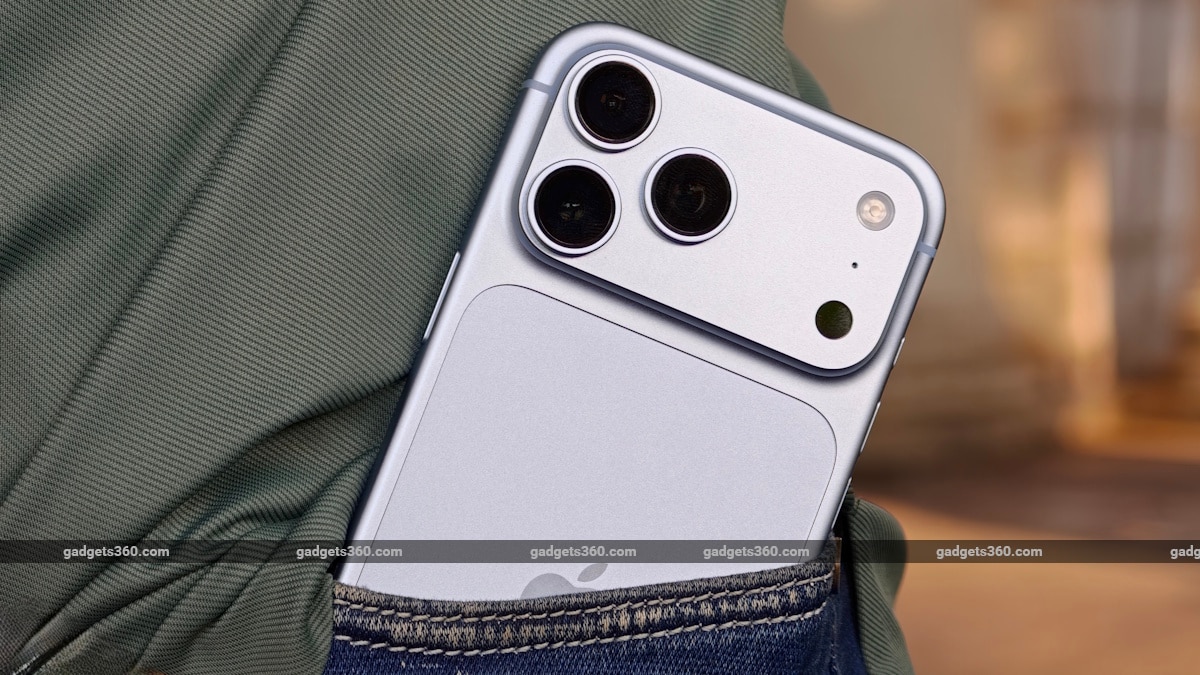

The iPhone 18 Pro Max weighs 249 grams, making it noticeably heavier than last year’s Pro Max
iPhone 18 Pro Max Design: Familiar Looks, More Weight
- Dimensions: 163.4x78x8.7mm
- Weight: 249 grams
- IP Rating: IP68
- Glass on front and back: Ceramic Shield 2 front and Ceramic Shield back
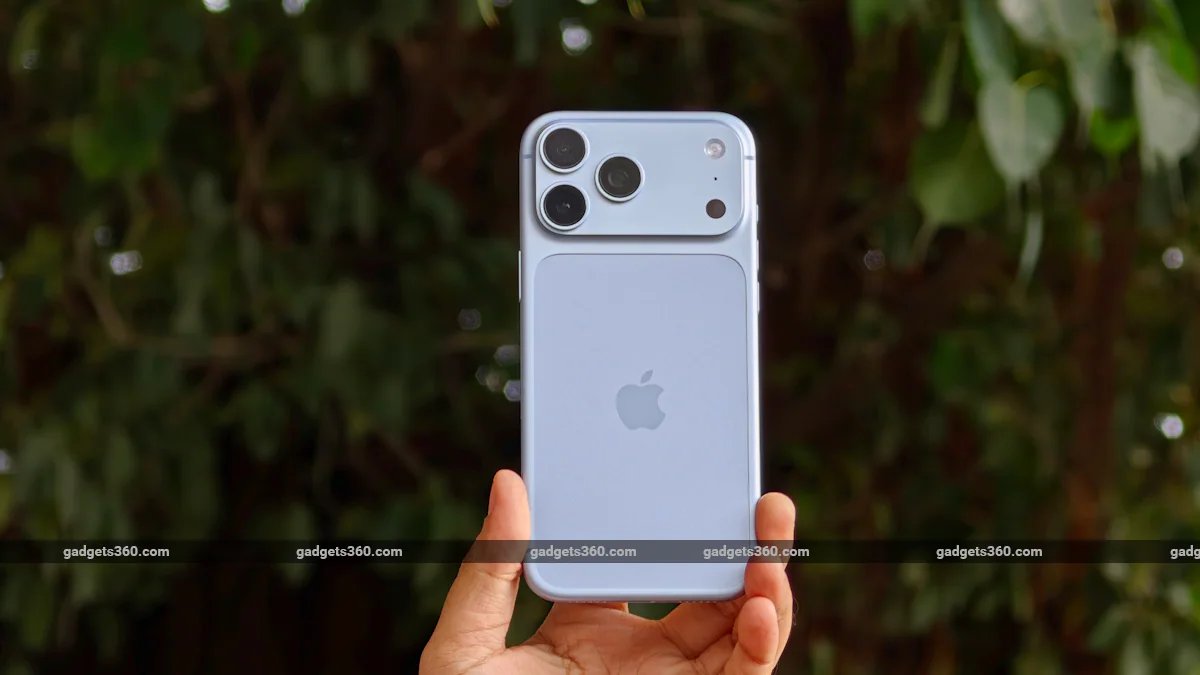
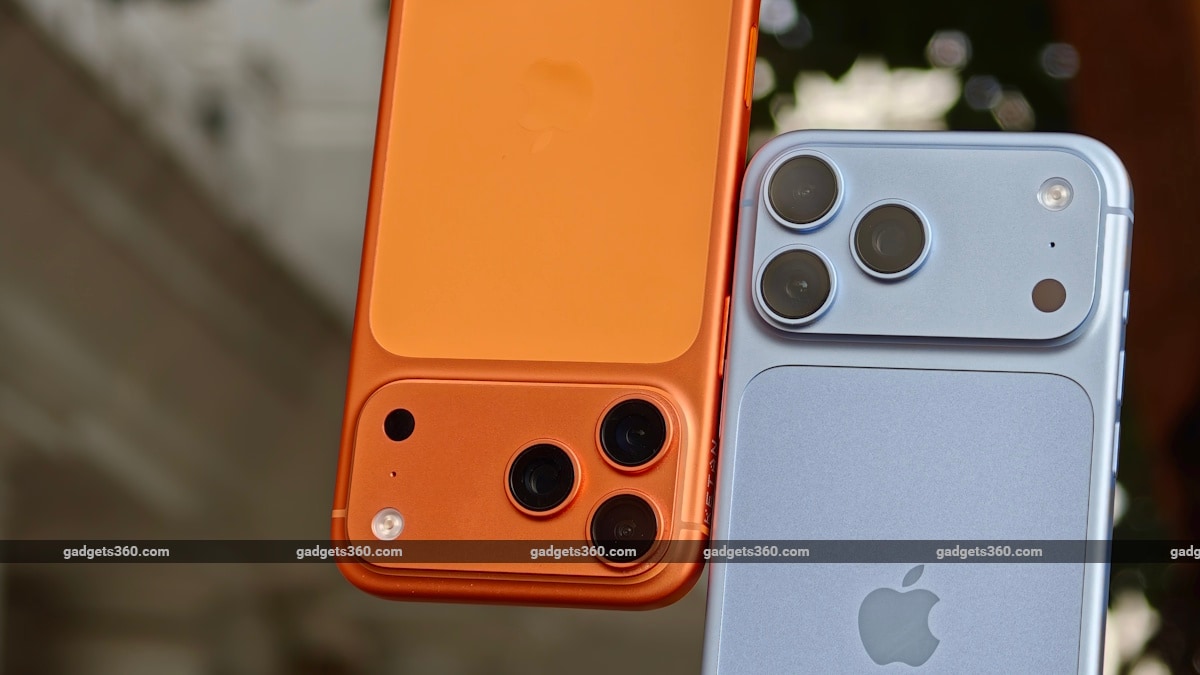
Anyone upgrading from the iPhone 17 Pro Max will find the 18 Pro Max design immediately familiar. Apple hasn’t made any sweeping changes to the overall appearance, and the two phones have identical dimensions. The aluminium unibody construction continues, as does the prominent rear camera module. In fact, place both phones side by side, and there’s little to distinguish them apart from the finishes.
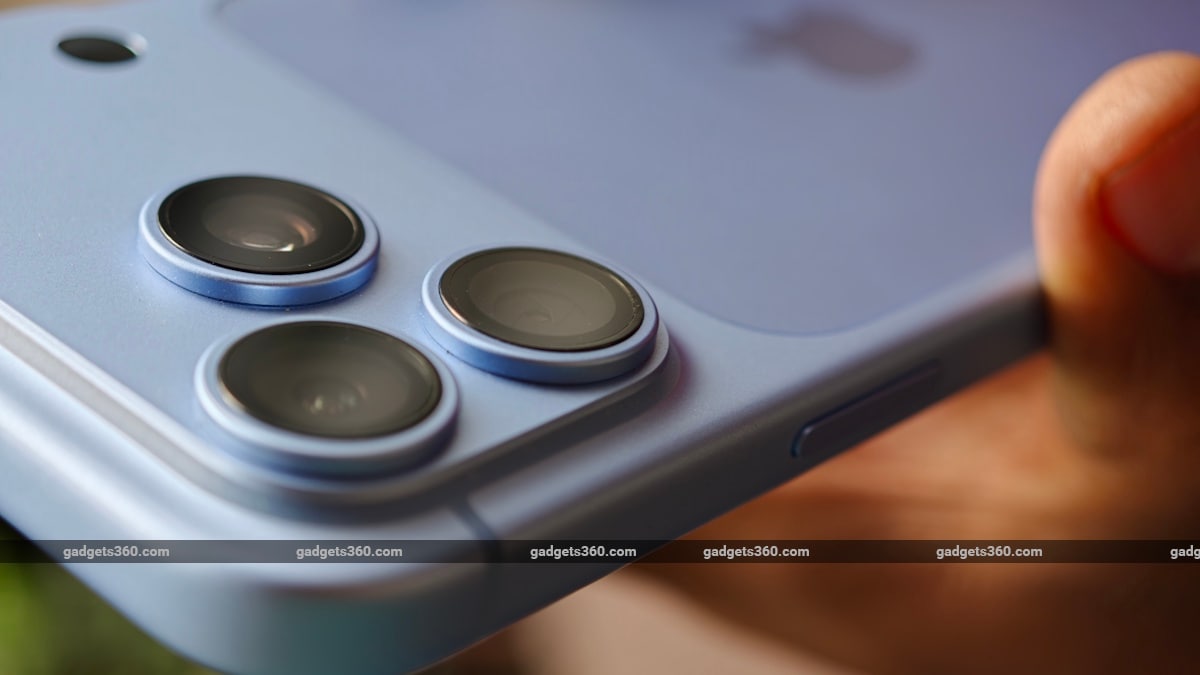
Apple’s variable-aperture main camera brings greater control over depth of field and exposure
My review unit came in Glacier, which is easily among my favourite colours in this year’s lineup. The subtle blue finish gives the phone a fresh appearance without being too flashy. After three weeks of regular use, the device still looks fresh, and the finish has grown on me. Colour preferences are subjective, of course, but Glacier is one of Apple’s nicer options in recent years. It is also available in Black, Silver, and Burgundy, with the latter being the one marketed in commercials and on billboards worldwide. Many early adopters reported on social media that the Black and Burgundy colours picked up smudges too easily, which definitely wasn’t the case with the Glacier I had.
What has changed this year on the design side is the weight. The iPhone 18 Pro Max weighs 249 grams, compared with 231 grams for the 17 Pro Max. That extra 18 grams might sound trivial on paper, but it hurts UI ergonomics. You will feel the 249-gram heft pulling on your wrist when you try to reach the top of the screen one-handed or read in bed. This is unapologetically a two-handed device.
Battery endurance is the biggest practical improvement over the iPhone 17 Pro Max, which typically lasted around a day with heavy use
Apple has retained the Action button and Camera Control, so anyone familiar with the previous Pro Max models won’t have to adjust to a new button layout. The USB Type-C port also continues at the bottom, while the phone retains Ceramic Shield protection at the front and back, and an IP68 rating for dust and water resistance.
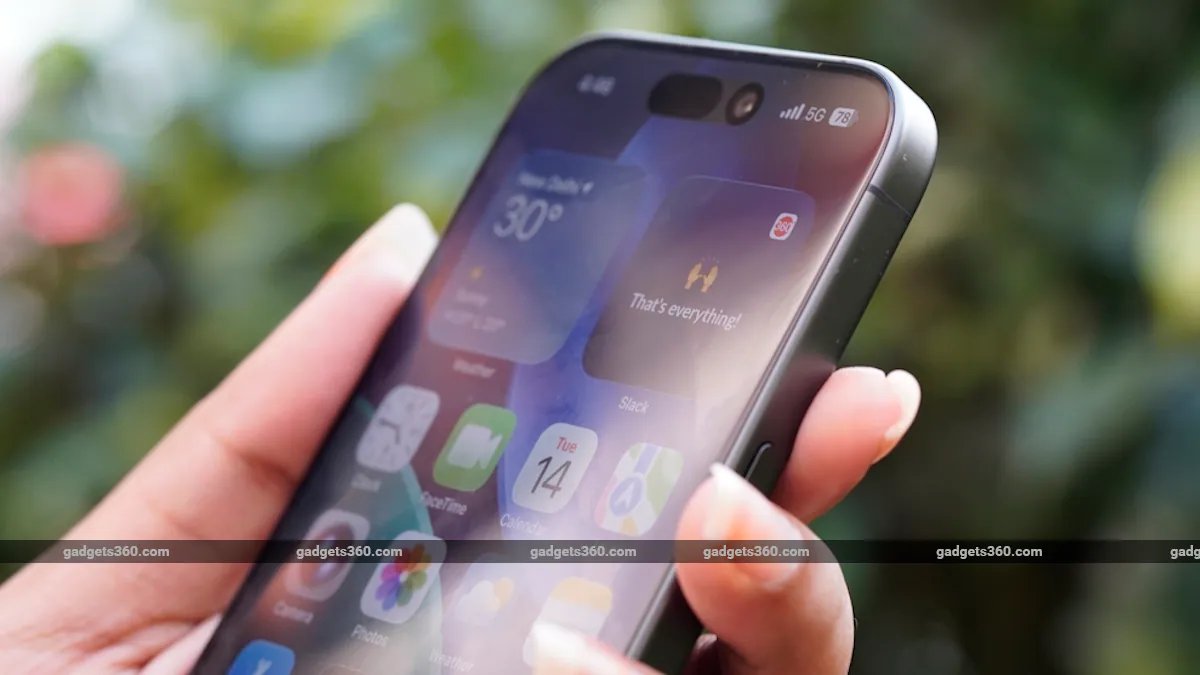
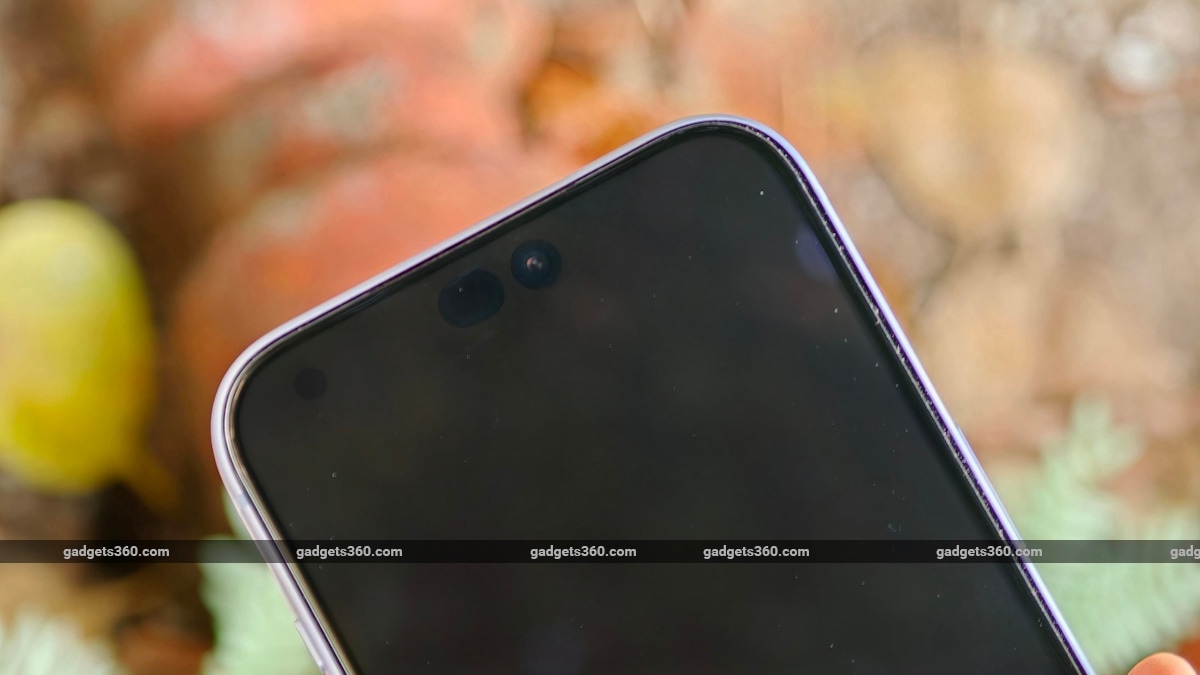
One subtle design improvement is the smaller Dynamic Island, with the Face ID camera shifted to the left side of the screen and now under the display. Apple has managed to reduce its footprint without changing the overall display size. It doesn’t dramatically alter the appearance of the phone, but it’s a welcome refinement.
Dynamic Island now supports up to three Live Activities simultaneously
The bigger question is whether the design needed changing at all. The iPhone 17 Pro Max already felt like a polished product, and Apple has largely carried that formula forward. I don’t necessarily see that as a disadvantage.
iPhone 18 Pro Max Display: Almost Nothing New, and That’s Fine
- Display: 6.9-inch LTPO Super Retina XDR display
- Adaptive refresh rates up to 120Hz
- 1320×2868 pixels and 460PPI pixel density
- 3000nits peak brightness
The display department is another area where the iPhone 18 Pro Max feels remarkably similar to its predecessor. You get the same 6.9-inch Super Retina XDR OLED panel with a 2868×1320-pixel resolution, an adaptive refresh rate up to 120Hz, and a claimed peak outdoor brightness of 3,000 nits. If you’ve used the iPhone 17 Pro Max extensively, there’s little here that will catch your attention. Of course, anyone on older models will see a major display upgrade.
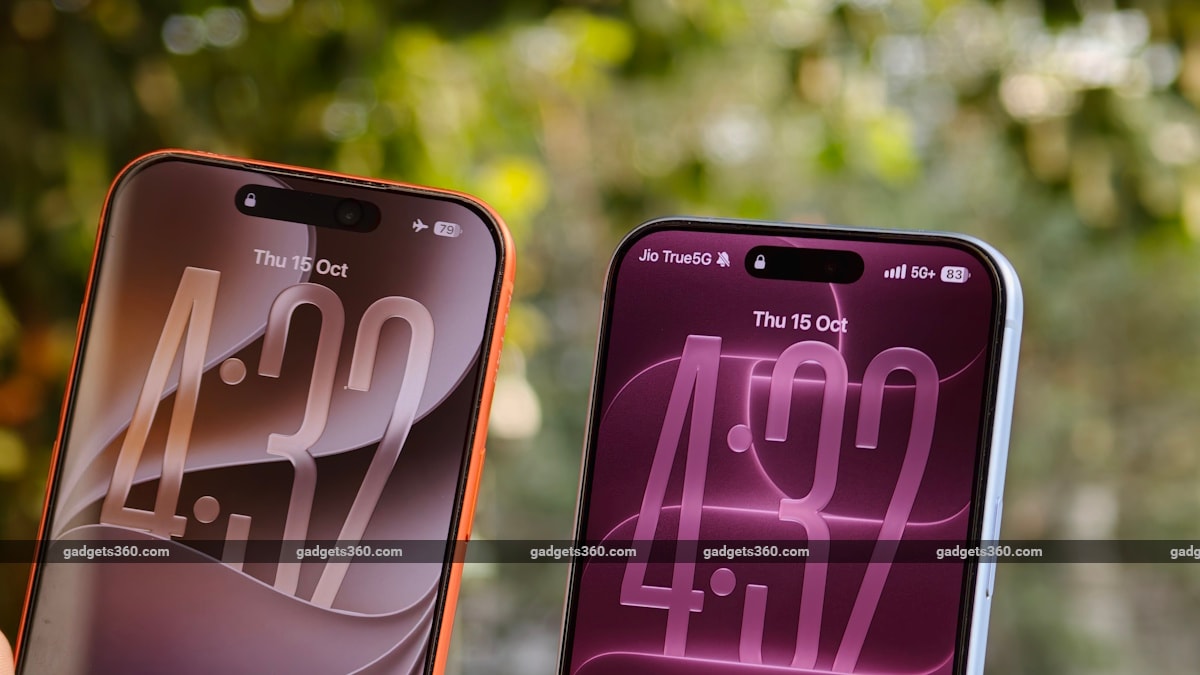
Both Pro Max models feature 6.9-inch OLED displays with 120Hz ProMotion
As for the 17 Pro Max, it already had an excellent display, and the 18 Pro Max doesn’t introduce a meaningful change in brightness, resolution, or refresh rate. That’s not necessarily a bad thing.
The large screen remains well suited to consuming content, browsing, editing photos and gaming. 120Hz ProMotion technology remains an important part of the experience, especially when scrolling through apps and navigating the interface. HDR support and the high-resolution OLED panel also make this an attractive device for multimedia consumption. The Always-On display remains, along with True Tone and the anti-reflective coating. These are familiar features rather than new selling points.
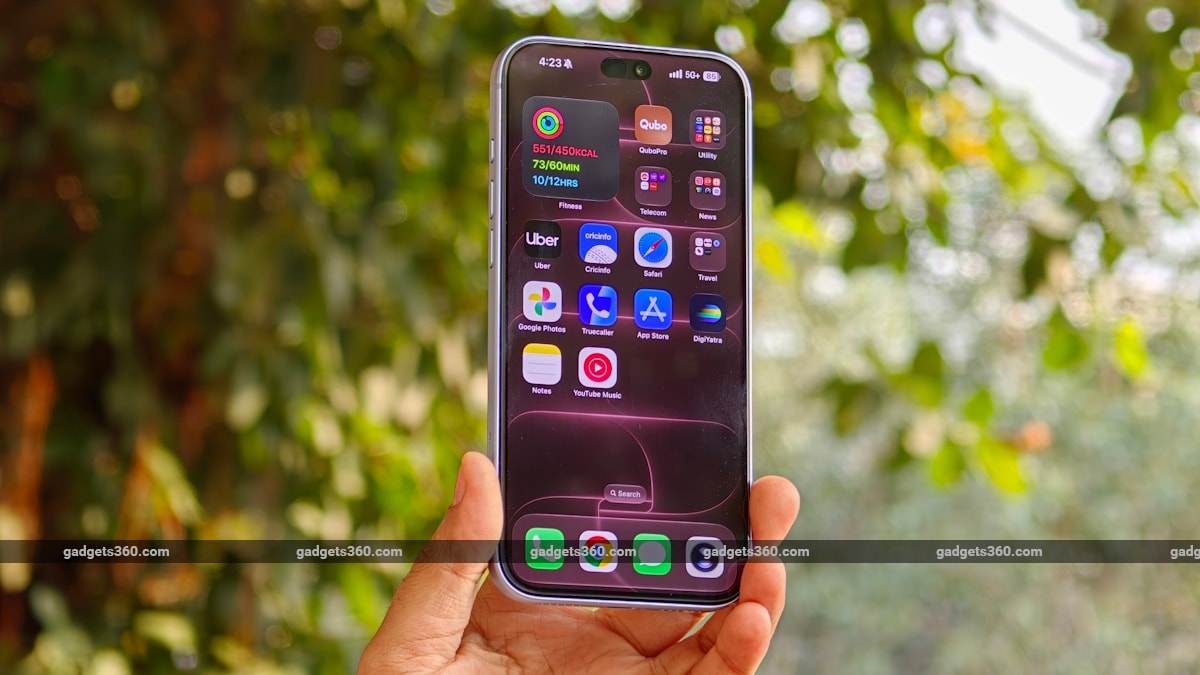
The 6.9-inch Super Retina XDR OLED display remains excellent, but offers little improvement over the 17 Pro Max
The iPhone 18 Pro Max offers a superb display ideal for binge-watching or gaming on the go. The more noticeable change is the smaller Dynamic Island and its expanded functionality. The iPhone 18 Pro Max can now accommodate up to three Live Activities simultaneously. For users who frequently rely on navigation, music playback or other live updates, this makes better use of the space at the top of the screen.
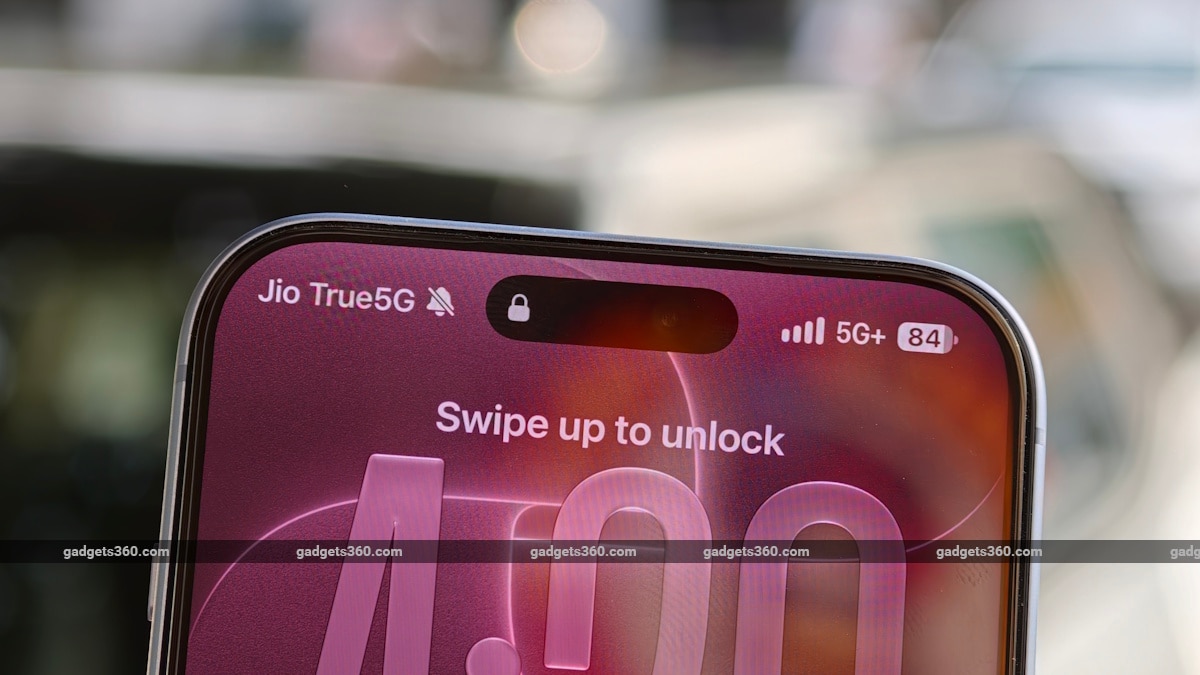
The smaller Dynamic Island is one of the few noticeable design refinements on the iPhone 18 Pro Max
However, I wouldn’t consider the display a reason to upgrade from the 17 Pro Max. Side by side, the two phones offer almost the same viewing experience. Apple’s decision to keep the existing display specs makes sense, given how capable the previous panel already was. But it also reinforces how incremental this generation feels in some departments.
iPhone 18 Pro Max Performance: Faster, But Can You Really Tell?
- A20 Pro chip
- 6‑core CPU and 7‑core GPU
- Dual 16‑core Neural Engine
- Apple Intelligence and Siri AI
Apple’s silicone processors have reached a point where everyday performance is rarely a concern, at least on its flagship devices. The iPhone 18 Pro Max continues that trend with the new A20 Pro chip, which features a six-core CPU, seven-core GPU, and dual 16-core Neural Engines. On paper, the A20 Pro represents a considerable upgrade over the A19 Pro. Apple has also revised the cooling system with a larger vapour chamber to improve sustained performance. But after using the iPhone 17 Pro Max for almost a year, I found it hard to spot a meaningful difference between the two phones in everyday use.
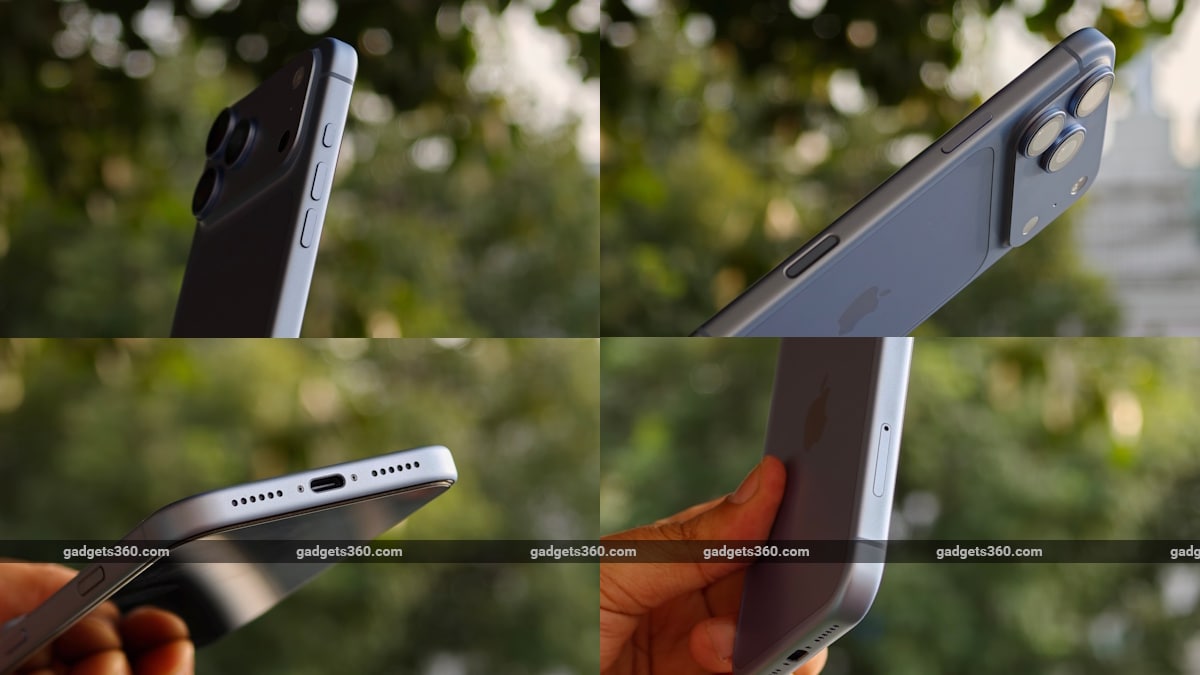
Apple retains the Action button, Camera Control, and USB Type-C port on the iPhone 18 Pro Max
In real-world use, apps open quickly, multitasking feels effortless, and the interface is smooth to navigate. However, the 17 Pro Max already handles these things exceptionally well. If you were hoping for a dramatic jump in day-to-day performance, there simply isn’t one. Gaming gives the new hardware more room to show what it can do. I spent time playing graphically demanding games on the 18 Pro Max, including sessions that stretched for a couple of hours. After a 40-minute BGMI session at maximum frame rates, the thermal management system kept the heat largely contained to the area just below the camera module. It gets warm, but never uncomfortable enough to force you to drop the frame rate.
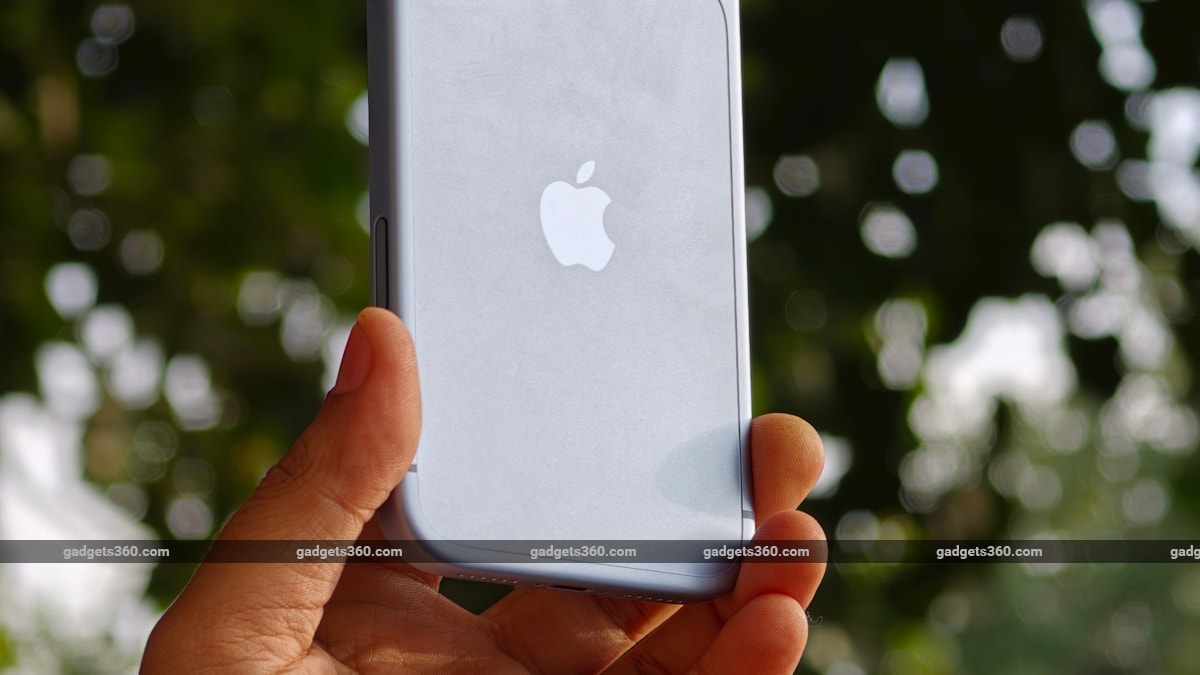
The iPhone 18 Pro Max retains its aluminium unibody construction and premium finish
More importantly, the phone cooled down fairly quickly once the gaming session ended. This is useful because managing heat during demanding tasks is as important as delivering high performance in the first place. The redesigned cooling system seems to do its job in these sessions, though that doesn’t mean the phone stays cool under every workload. It gets noticeably warm, but it stays manageable.
Another interesting observation was battery endurance during gaming. Even after a couple of hours of demanding gameplay, the phone still managed around 30 hours on a single charge. That’s an impressive result for a device with such powerful hardware, and it speaks to the balance Apple has achieved between performance and power efficiency—more on the battery standby in the battery section below.
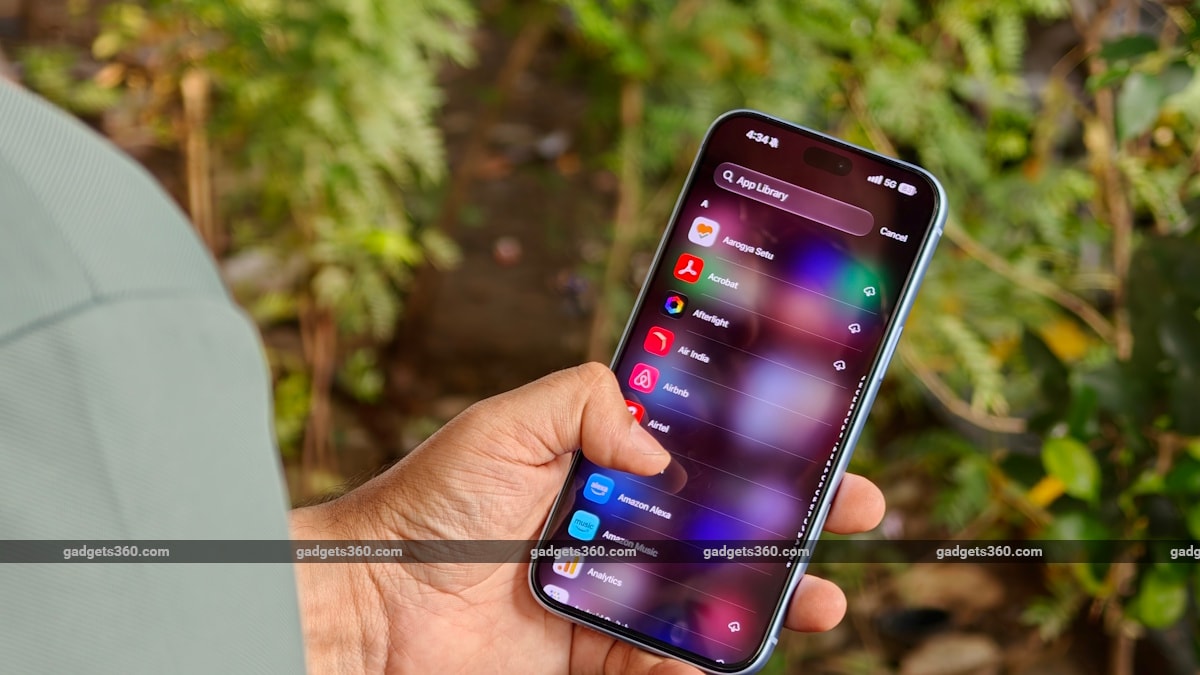
iOS 27 introduces a refined Liquid Glass interface, redesigned icons, and more customisation options, but takes some getting used to
I already mentioned that the 18 Pro Max is a great device for multimedia consumption, and some credit goes to the speaker setup, which is the same as the 17 Pro Max. I would rate it excellent: it is loud, punchy, and delivers clear speech when binge-watching shows or movies through the speakers. Call clarity is top-notch, and I didn’t encounter any call drops due to device issues. In fact, the phone scores brownie points for latching onto the network in almost no-signal areas like basements, where I didn’t see calls drop or the other side’s voice go silent. Of course, the 18 Pro Max packs one of the strongest haptic motors on any smartphone this year, and I’m a big fan. It adds versatility and makes interactions more engaging.
For most people, though, the A20 Pro’s additional processing power will be difficult to appreciate immediately. The gains matter more for sustained workloads and potentially for keeping the phone capable over several years than for making everyday tasks feel noticeably faster.
For an iPhone customer, the bigger draw is Apple’s promise of up to seven years of software updates, more than you get on an Android device. So, a capable processor makes the device more capable than ever.
iOS 27
Software is another major part of the iPhone 18 Pro Max experience. The phone ships with iOS 27 out of the box, which refines Apple’s Liquid Glass interface, redesigns icons, adds Lock Screen customisation options, and supports extra-large widgets. After spending considerable time with earlier versions of iOS, I found the new interface takes some getting used to. The icons look sharper and cleaner, and the extra customisation options are welcome. However, the changes also mean that some familiar visual elements and interactions require a little adjustment. I wouldn’t call it a steep learning curve, but iOS 27 doesn’t feel entirely familiar from the moment you start using it.
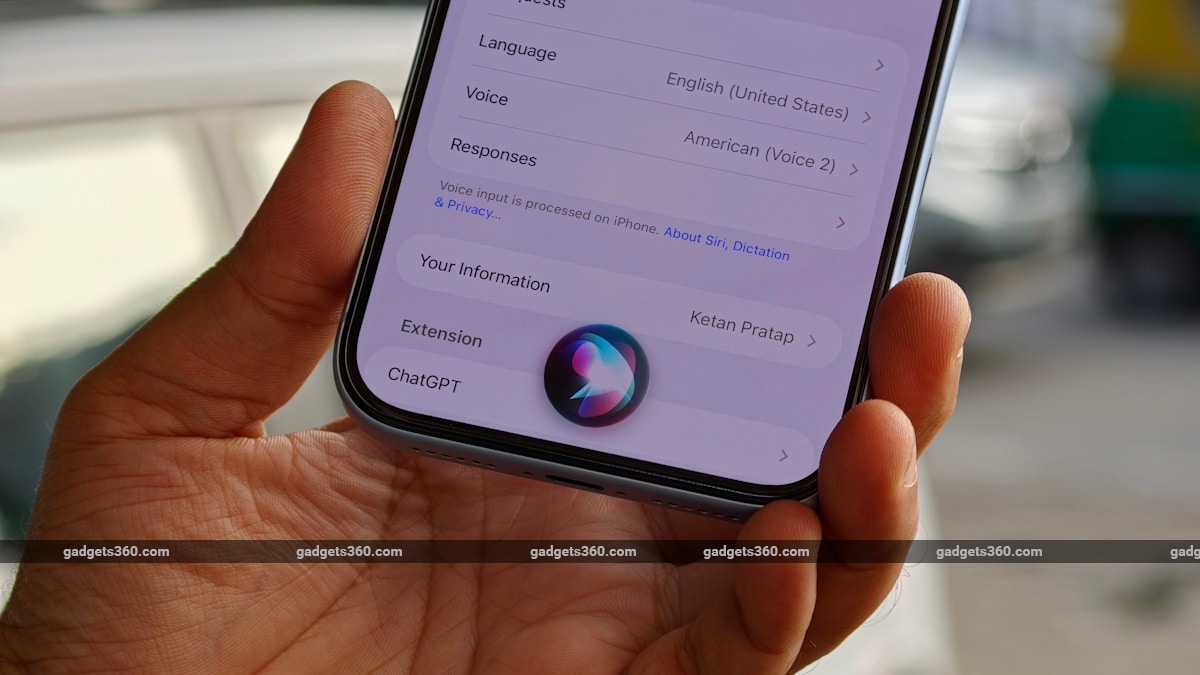
Siri settings include ChatGPT integration
The additional flexibility is a positive development, particularly for users who enjoy personalising their Home Screen and Lock Screen. It also puts considerable emphasis on Siri AI, one of Apple’s headline software additions this year. The updated assistant promises more conversational interactions, the ability to answer questions about what’s on your screen, and access to up-to-date information through what Apple calls broad world knowledge.
Siri AI also adds integrated writing capabilities, letting users generate drafts or refine existing text. However, during my review period, the waitlist-based beta wasn’t available on my Indian review unit until a few days ago, so I couldn’t evaluate these features extensively and could only use it briefly. So, a dedicated piece on Siri AI (Beta) will follow in the next few weeks. Apple is rolling out Siri AI as a beta with supported languages and device requirements, so availability matters.
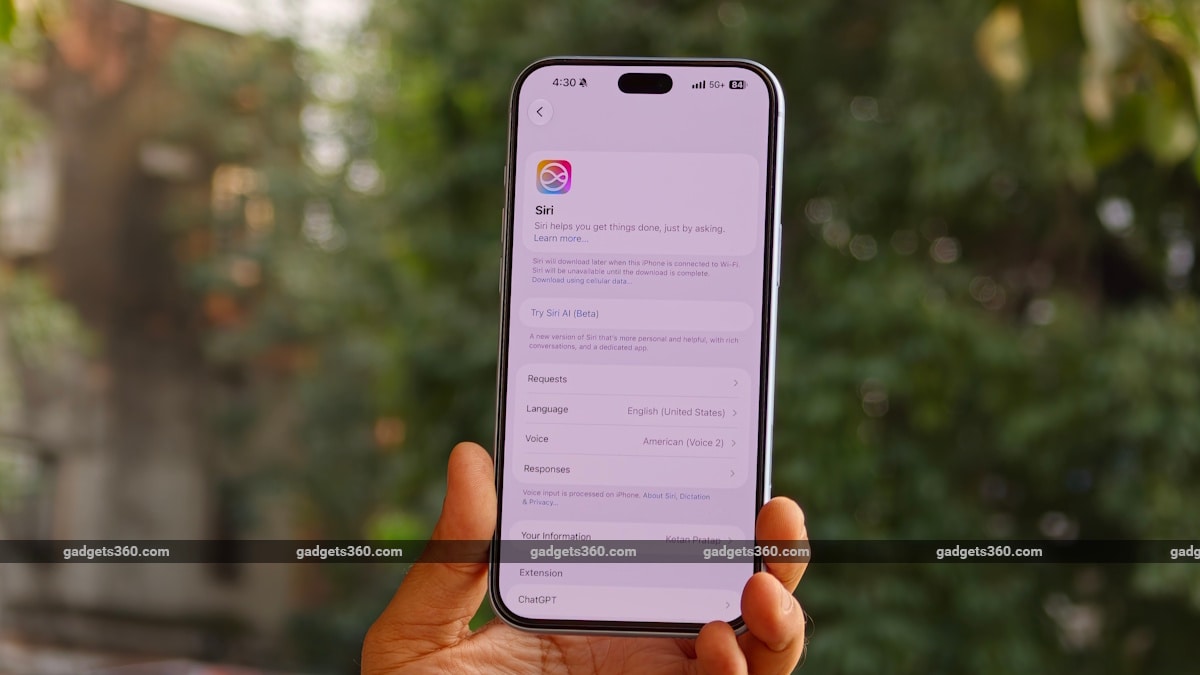
Siri AI is available in beta
Some of the most immediately useful additions come through the Photos app. iOS 27 introduces tools such as Extend and Reframe, along with an improved Clean Up feature. These expand the editing options available directly on the phone, reducing the need to turn to a separate application for certain adjustments.
Remember that much of the iOS 27 experience isn’t exclusive to the iPhone 18 Pro Max. Existing supported iPhones, including the 17 Pro Max, can also benefit from the software update. That makes it difficult to treat the new interface and AI features as reasons to replace last year’s flagship.
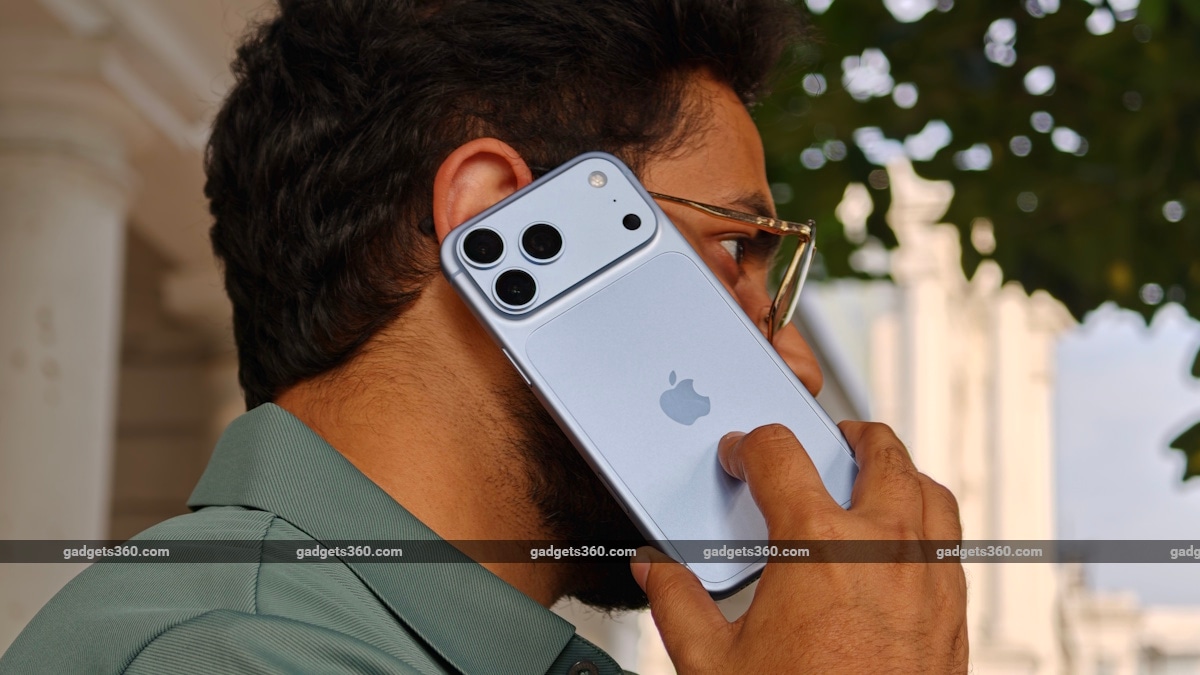
Call quality on the 18 Pro Max is crystal clear
iPhone 18 Pro Max Camera: More Control and More Wow
- 48-megapixel main camera with variable aperture support, ranging from f/1.48 to f/4.0. Comes with second-generation sensor-shift OIS
- 48-megapixel ultra-wide camera with f/2.2 aperture and 120-degree field of view, Hybrid Focus Pixels
- 48-megapixel telephoto camera (up to 8x), f/2.8 aperture, Hybrid Focus Pixels, OIS and autofocus
- Supports up to 4K Dolby Vision video recording at 24fps, 25fps, 30fps, 60fps, 100fps, or 120 fps
- 18MP Center Stage camera
The camera is arguably the most interesting hardware upgrade on the iPhone 18 Pro Max after the battery. However, unlike the endurance improvement, the benefits here depend more on how you use your smartphone camera.
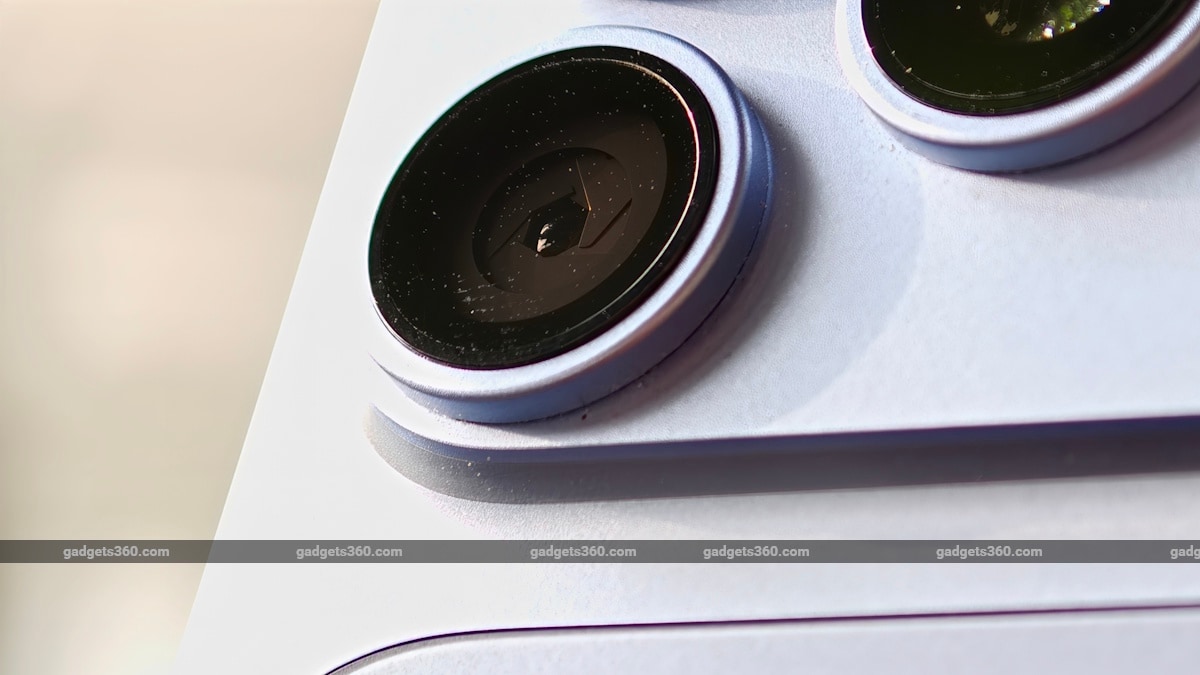
The main camera supports aperture settings ranging from f/1.48 to f/4, giving photographers more creative flexibility
Apple continues to offer a triple 48-megapixel camera setup at the back, comprising a main sensor, an ultrawide camera and a telephoto camera. The big change is the main camera’s variable aperture. Instead of relying on a fixed aperture, the iPhone 18 Pro Max can switch between f/1.48, f/1.8, f/2.8 and f/4. This gives users more control over how much light enters the camera and how much of the scene remains in focus.
For example, a wider aperture helps in low light, while a narrower aperture helps when photographing multiple subjects at different distances. It also opens up more creative possibilities when shooting around bright light sources. The key point is that a variable aperture isn’t a guaranteed improvement for every photograph. A narrower aperture lets in less light, so you may need to adjust shutter speed. The benefits depend on the scene and the kind of photograph you’re trying to capture.
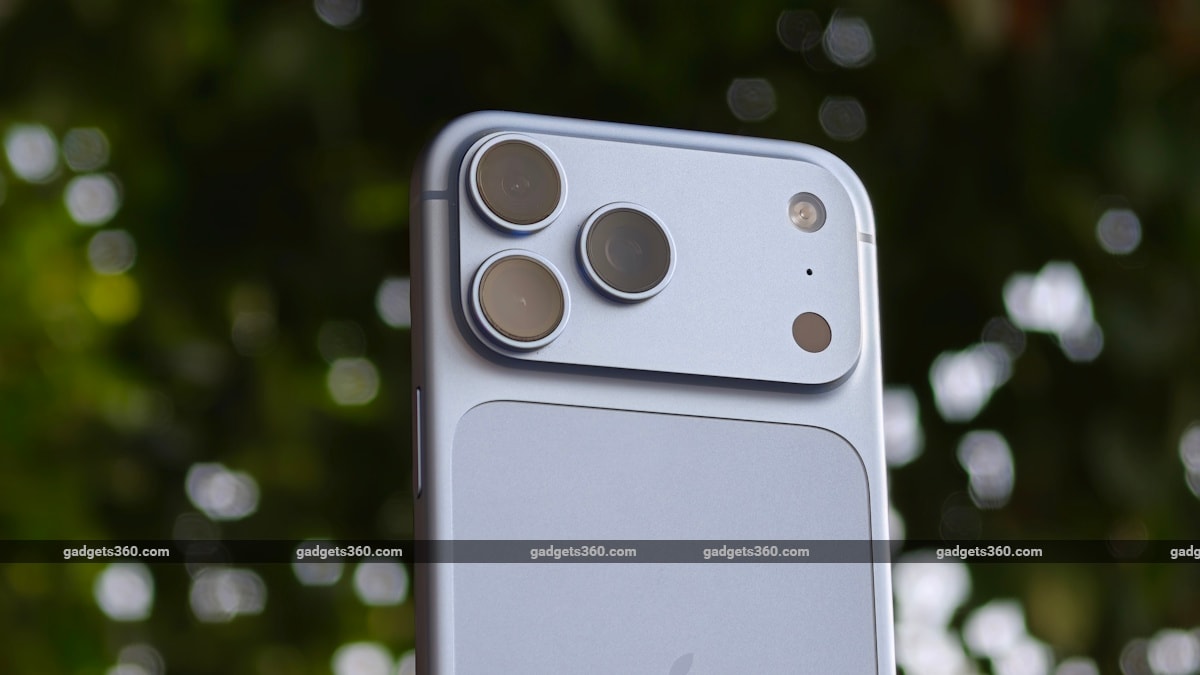
It features three 48-megapixel rear cameras, including a new variable-aperture main camera
For daylight shots, the iPhone 18 Pro Max is an excellent device, even in challenging lighting. The Yashobhoomi venue looks beautiful in the shot below, taken just before sunset, and the camera captures the true light without overprocessing or adding colours to make it livelier. The second image shows a copper-coloured door in its full essence; similarly, it captures leaves, gravel, and stones in true colour, a signature of iPhone photography. The artificial flowers, now rusted, are captured again with excellent detail, and the textures look natural. Even the landscape shot looks beautiful, and it captures the entire lake well, even in harsh sunlight.

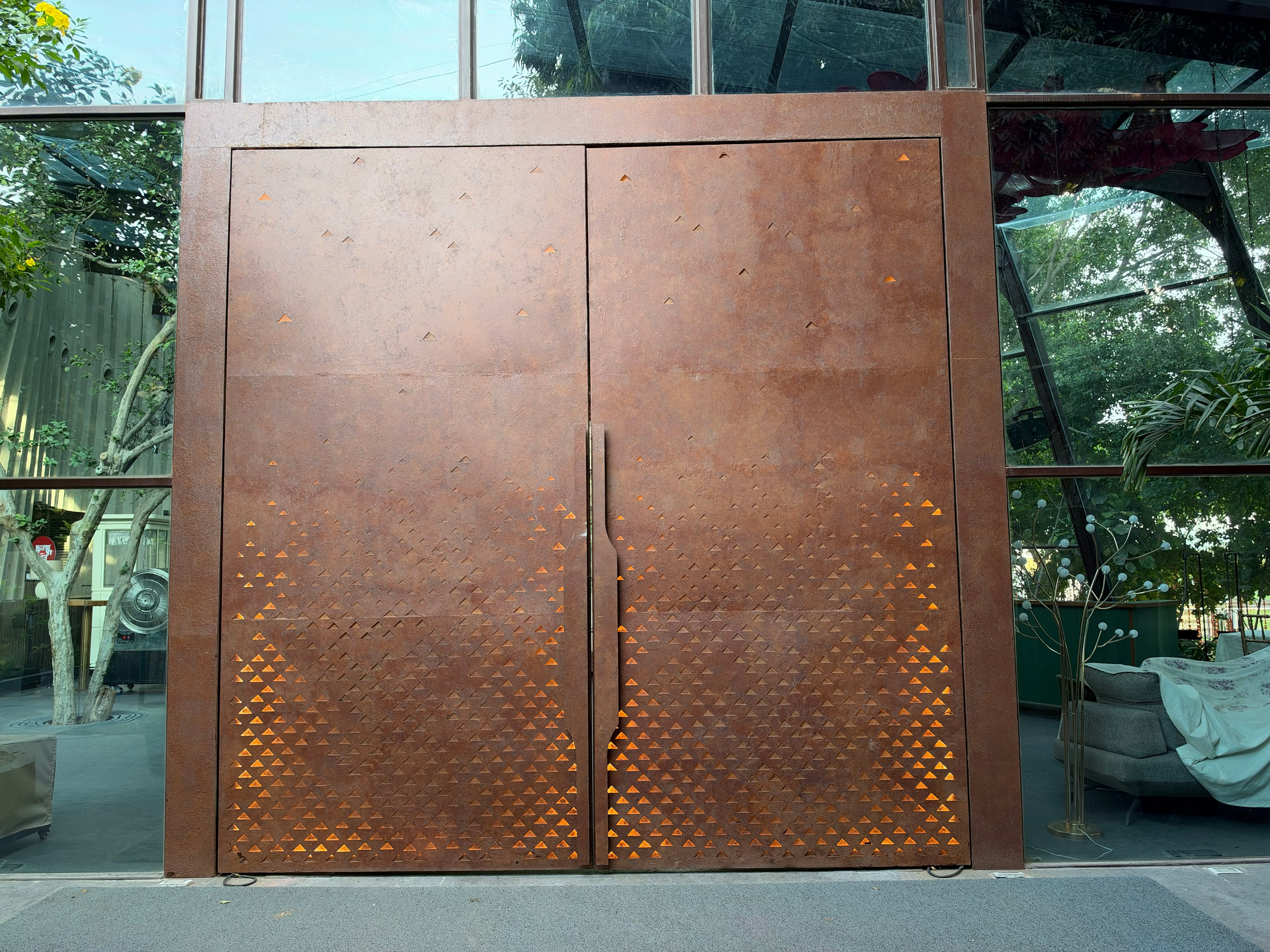
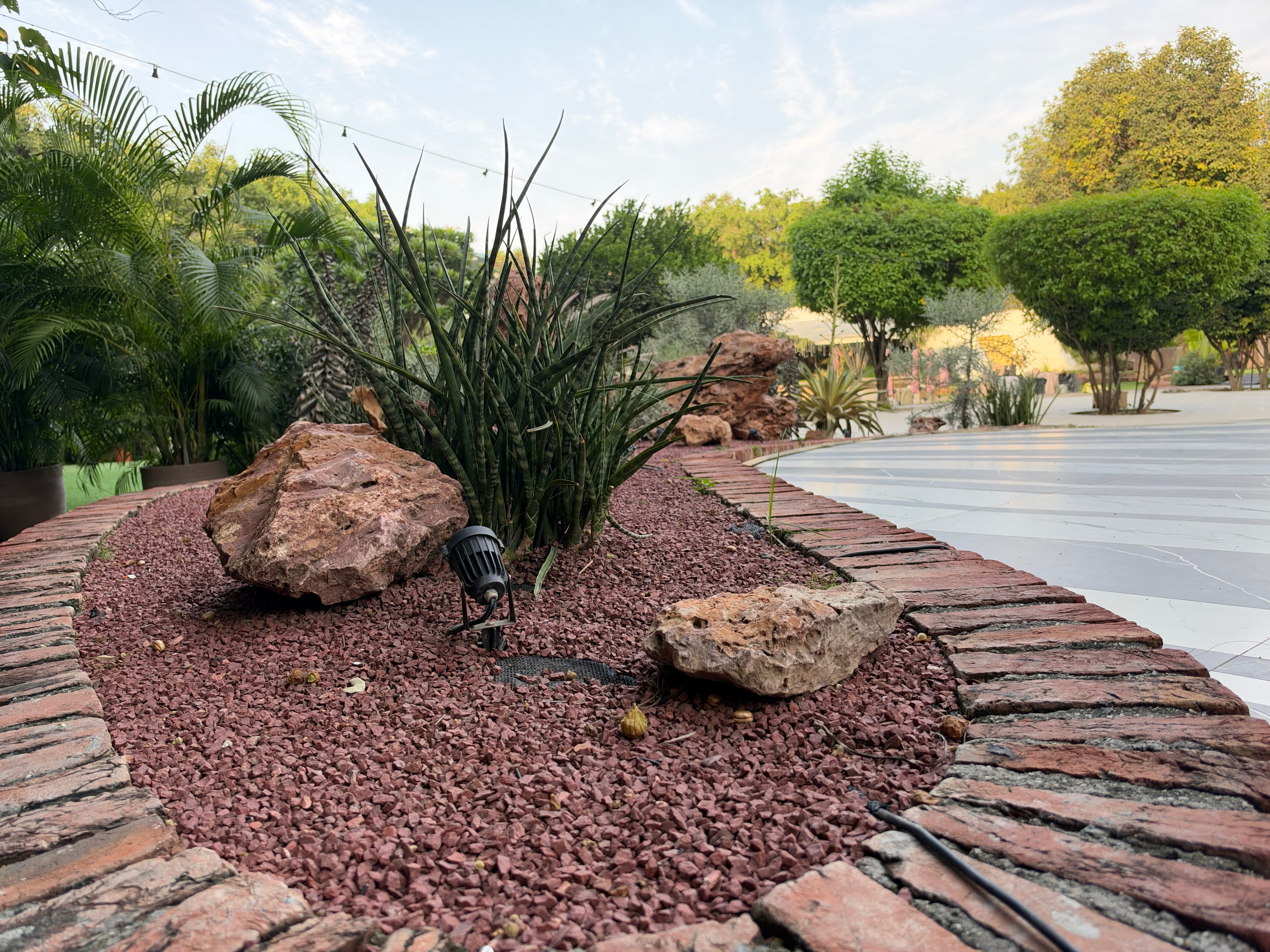
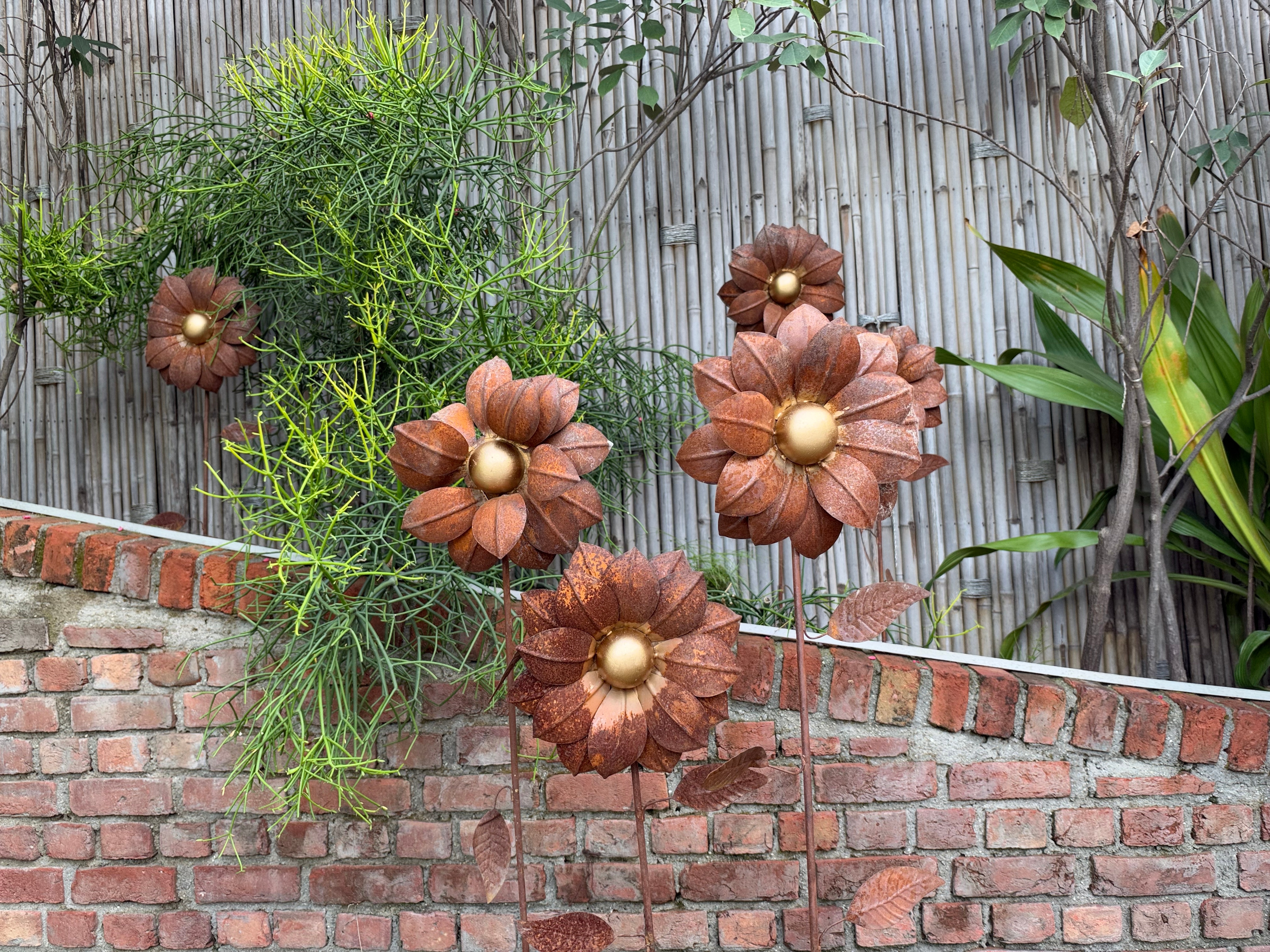
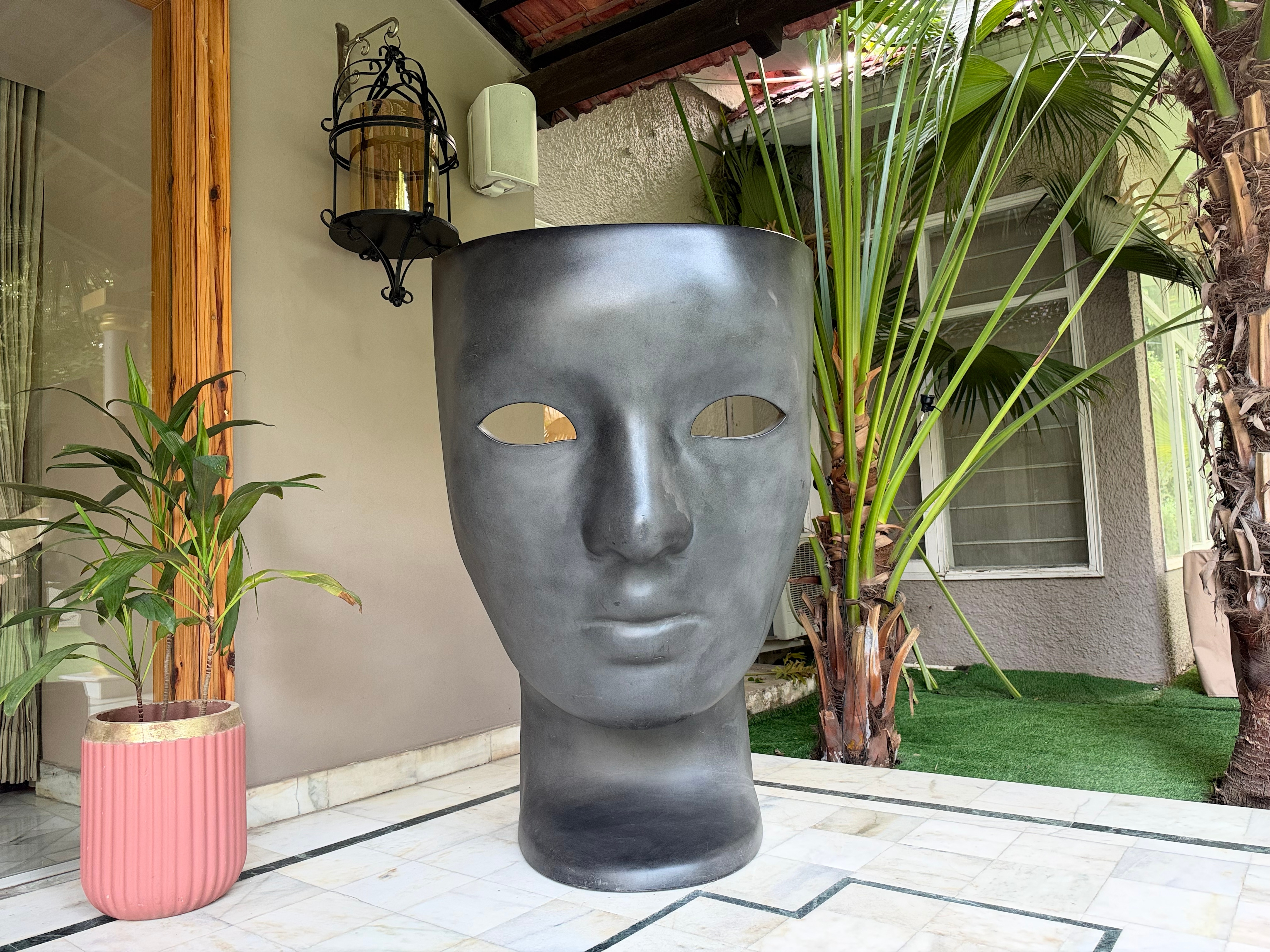



iPhone 18 Pro Max Main camera samples (tap images to expand)
For users who usually open the Camera app, point at a subject and press the shutter button, this additional flexibility may not feel particularly significant. The iPhone 17 Pro Max already has a capable camera system, and the new aperture mechanism alone isn’t enough to make it outdated.
The iPhone 18 Pro Max gets even more fun in low-light conditions with a variable aperture option that helps you frame your shot and capture images. In a room with just one light source, the phone captures the coat stand’s shadow on the wall beautifully; even the wall’s colour is clear. Even in challenging night conditions, the 18 Pro Max delivers abundant detail, controlled noise, sharpness, and natural colours. The shot of the cave inside comes out so well that you can see small details on the stones.

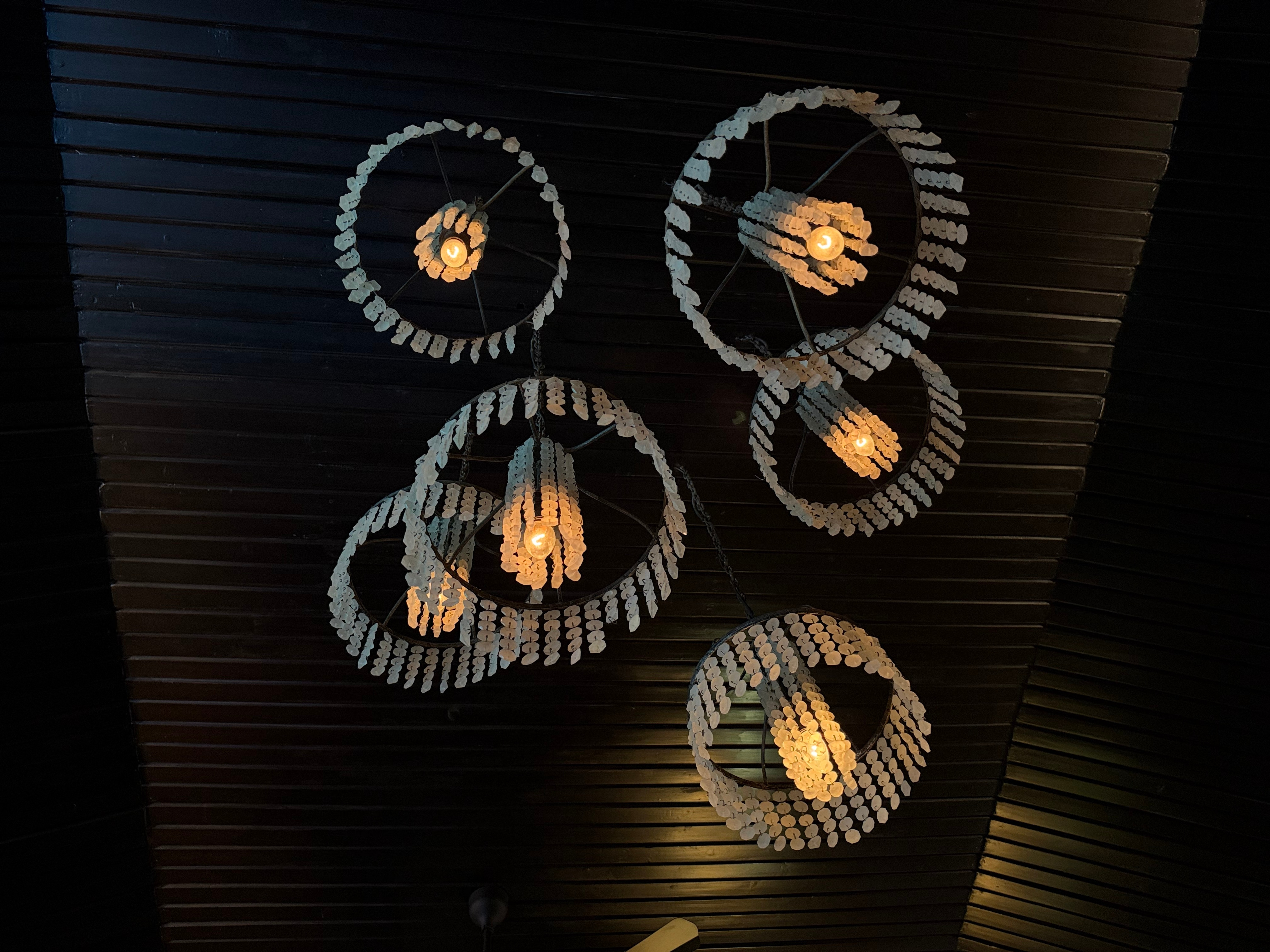
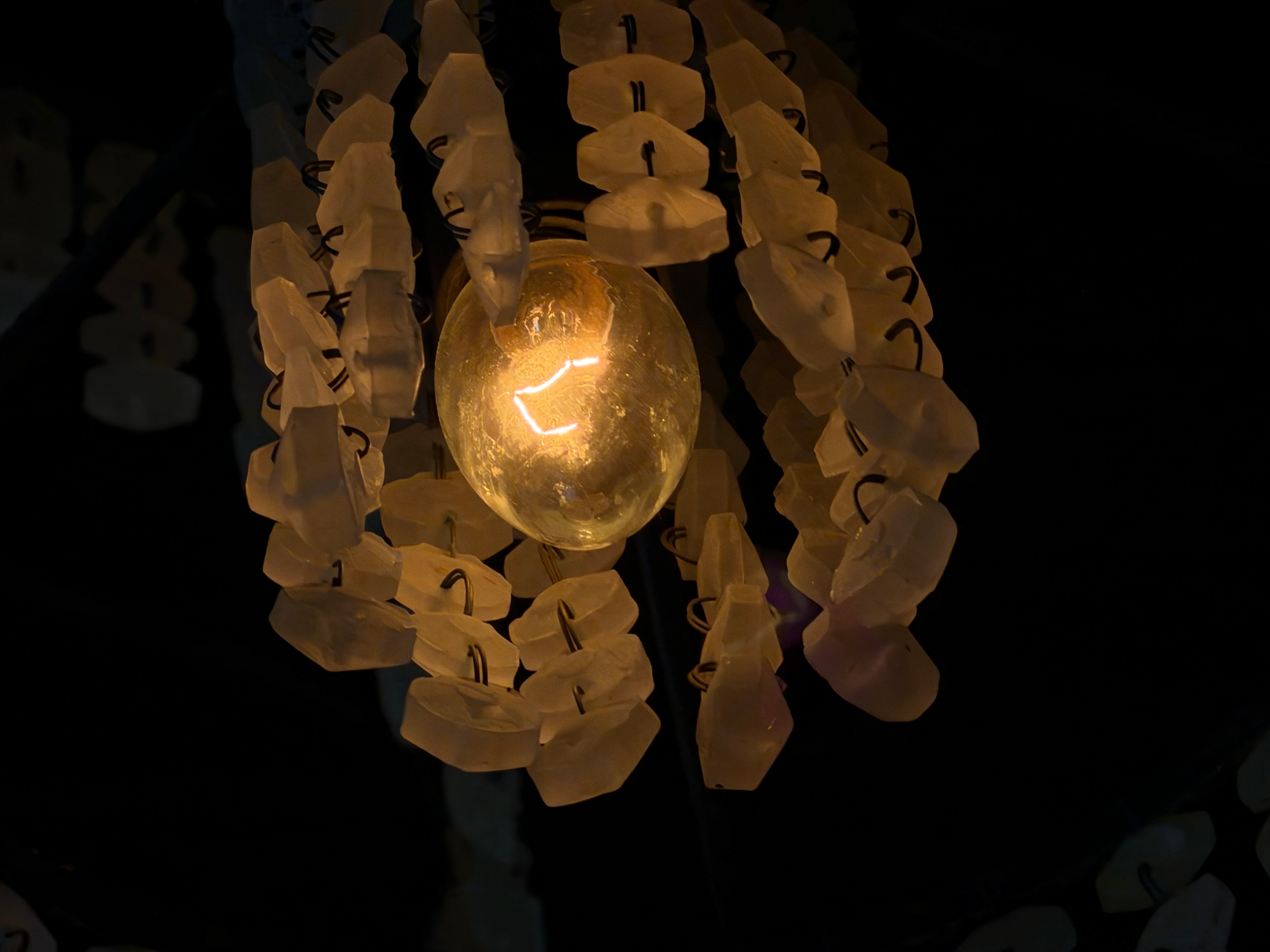
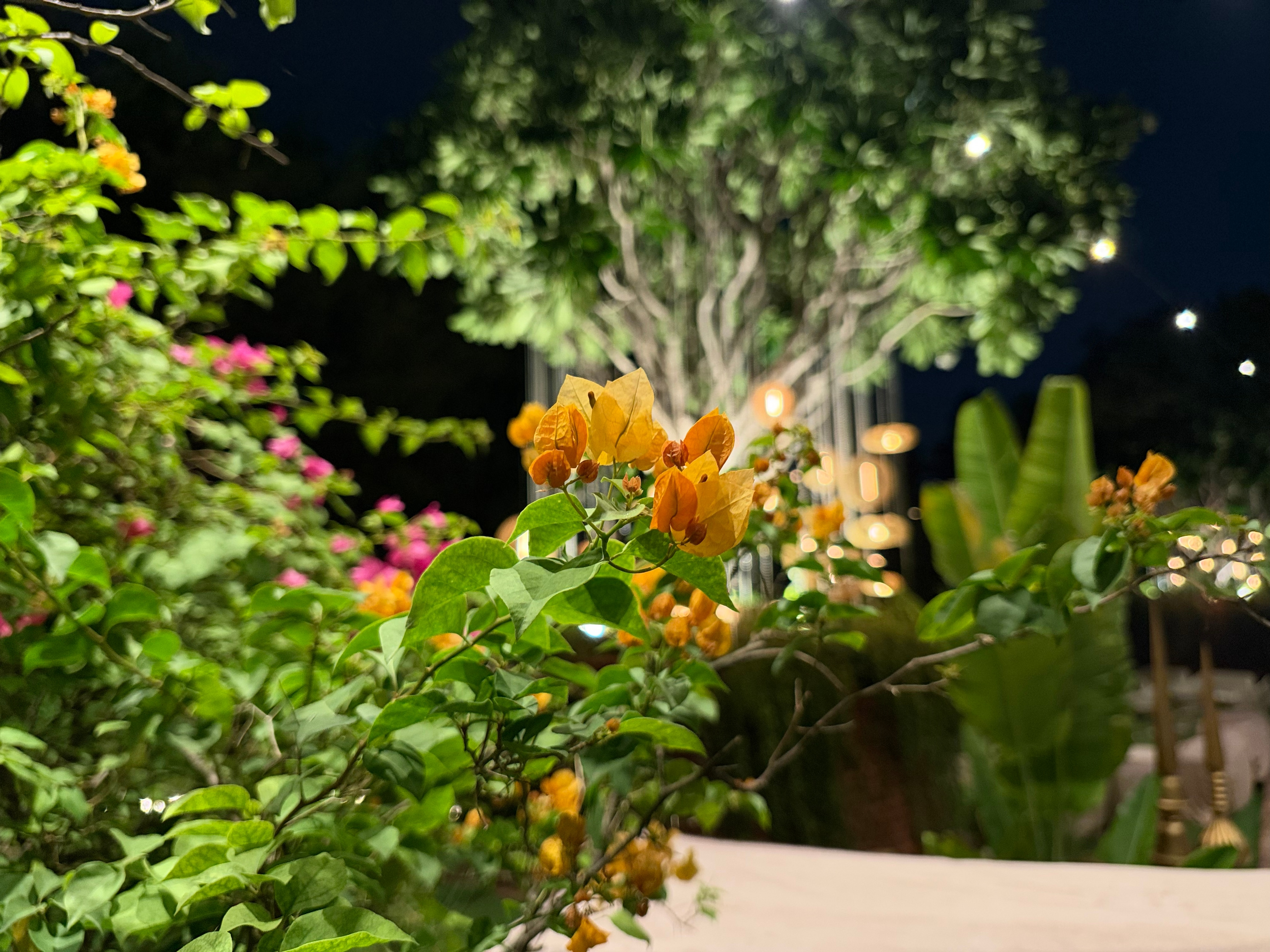
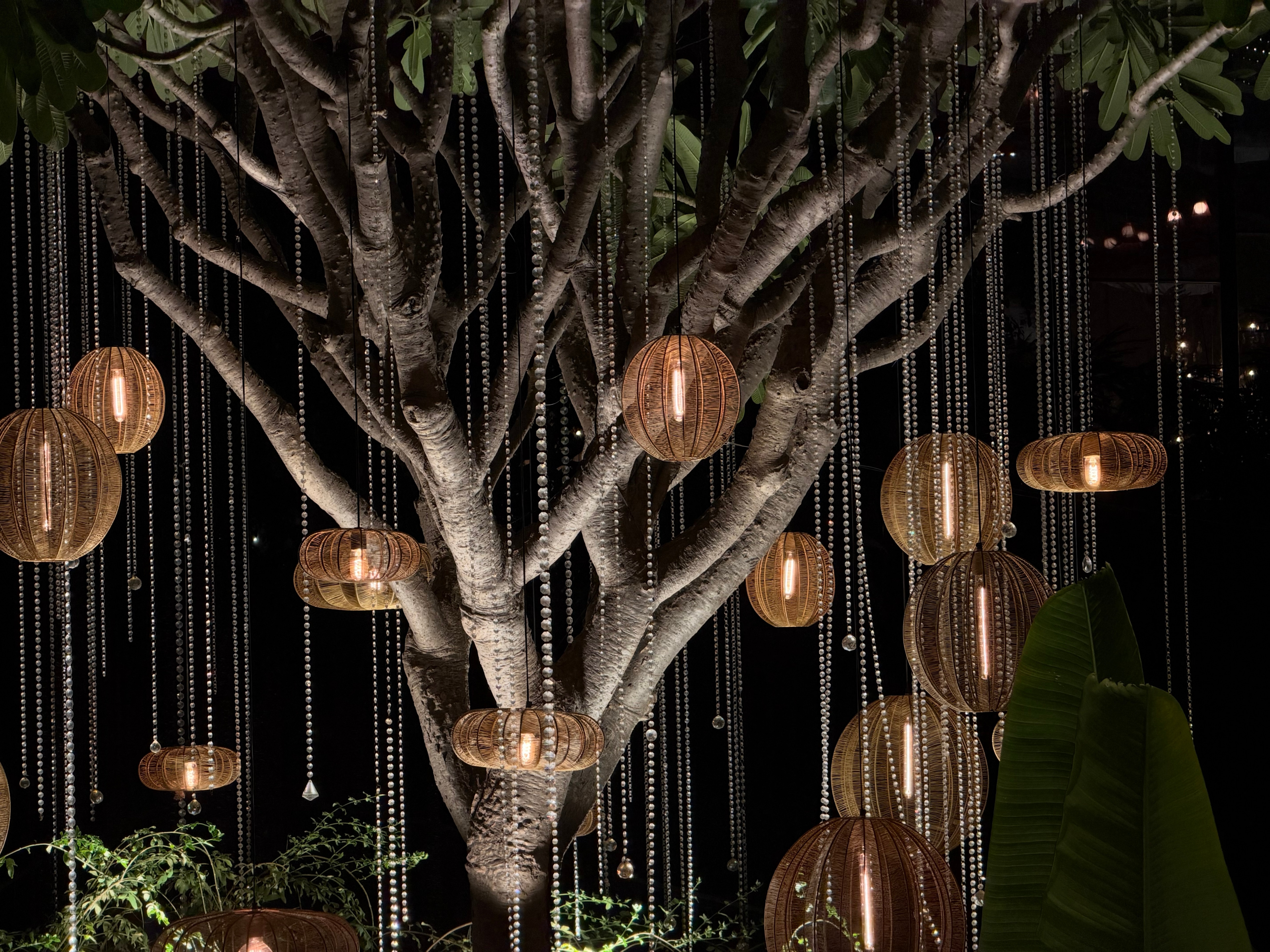

iPhone 18 Pro Max low-light camera samples (tap images to expand)
Apple has also introduced more extensive Pro controls in the native Camera app. Users can adjust aperture, shutter speed and white balance, with a histogram available to help judge exposure. This is perhaps as important as the variable aperture itself, particularly for anyone who prefers making photographic decisions rather than leaving everything to computational processing.
It’s a welcome direction for Apple’s camera system. The iPhone has traditionally focused heavily on making photography straightforward, while users seeking greater manual control have often relied on third-party apps. Bringing more of these controls into the default Camera app makes the Pro branding more meaningful.
The telephoto camera, just like the 17 Pro Max, is excellent again. The dynamic range is great, and the colours look punchy. But the telephoto camera doesn’t quite outdo the main camera, so overall, it sits below it. Zoom shots look sharper than its predecessor, as shown below.
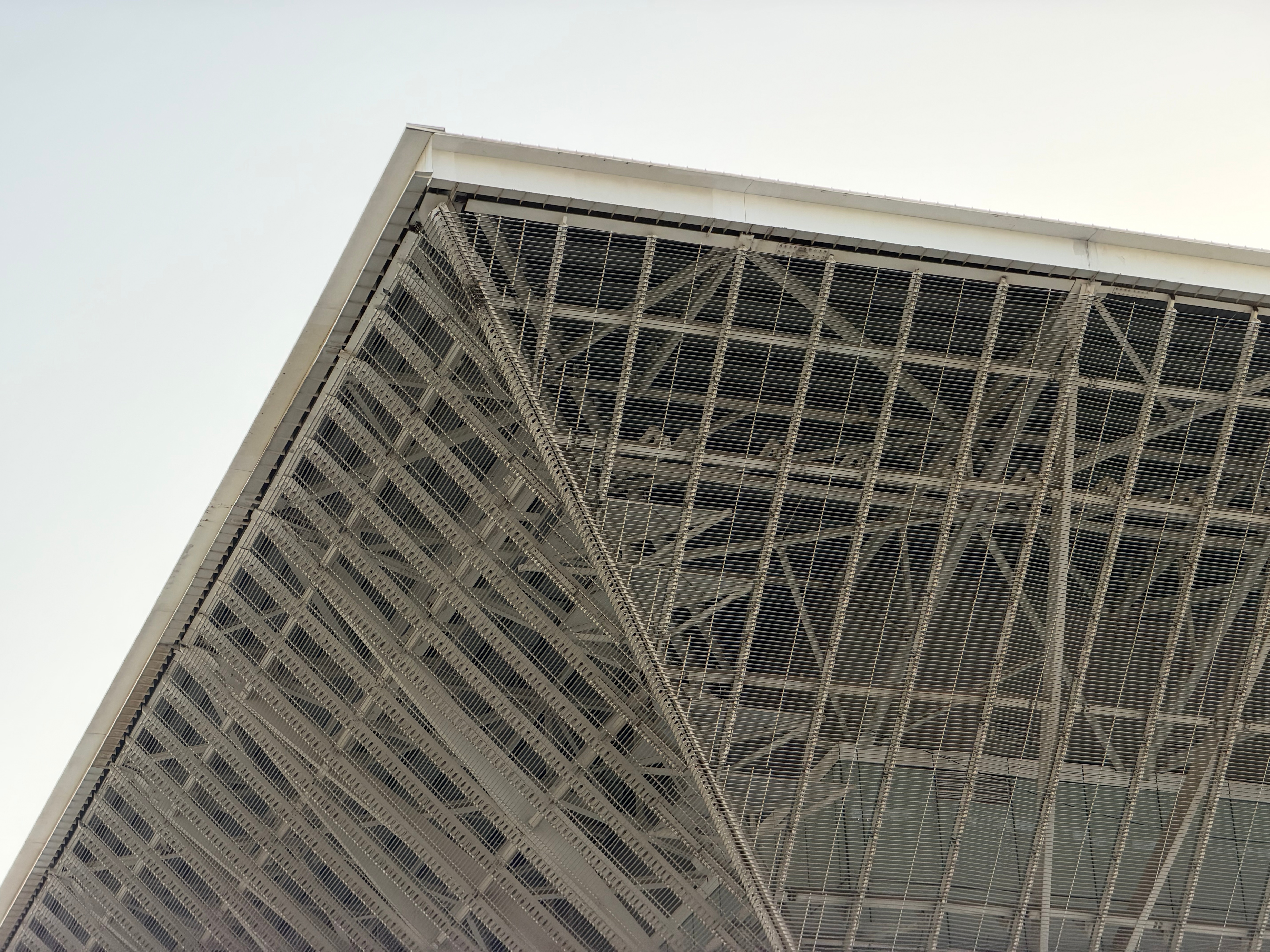

iPhone 18 Pro Max telephoto camera samples (tap images to expand)
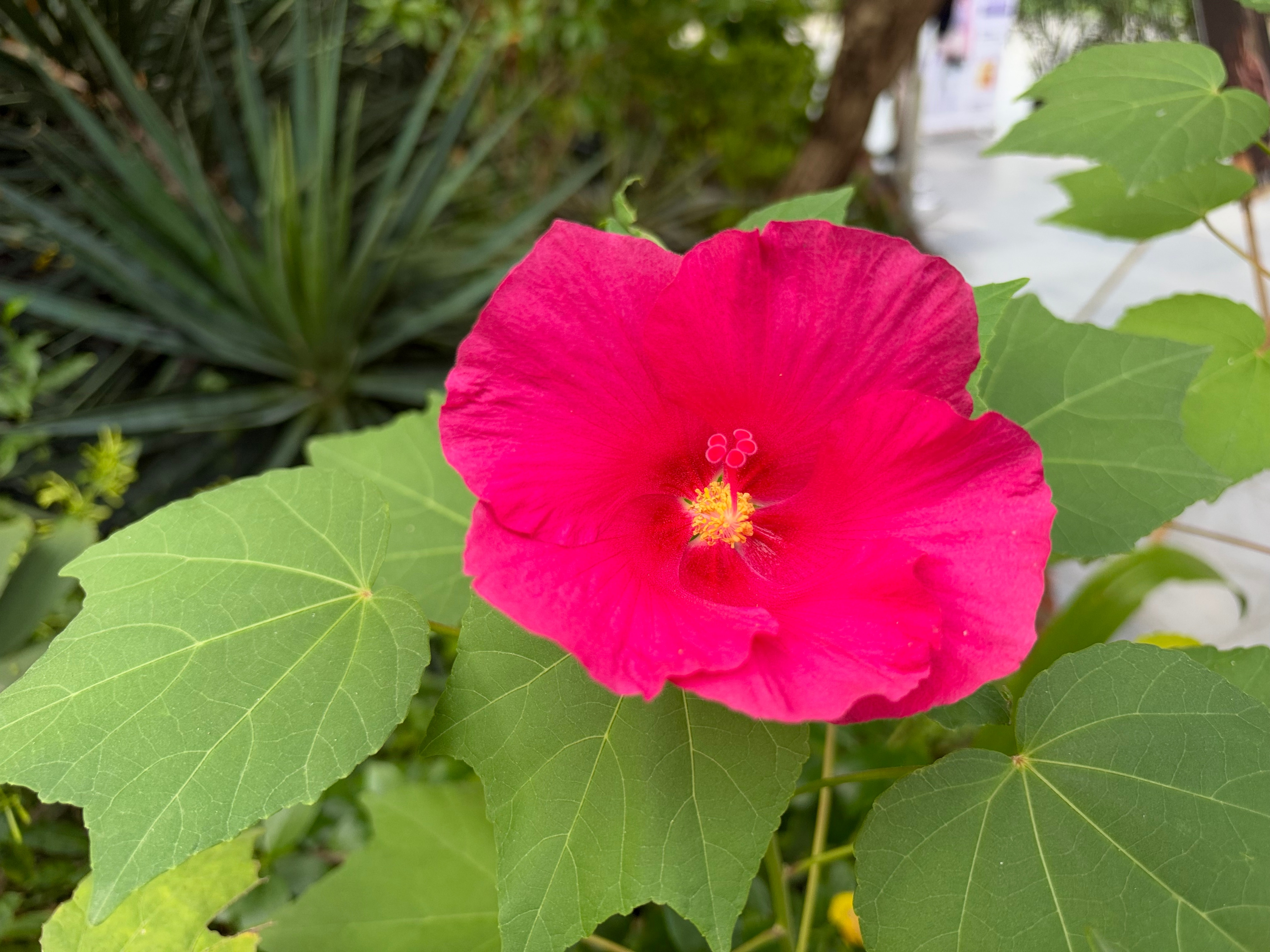
iPhone 18 Pro Max Ultrawide camera can be used for macro shots (tap image to expand)
The telephoto camera still offers 4x optical zoom, with an 8x optical-quality option. The latter isn’t a separate 8x optical lens; for users who regularly photograph distant subjects, dedicated long-range zoom capabilities remain an important point of comparison against competing Android flagships like Vivo X300 Ultra, Oppo Find X9 Ultra and Xiaomi 17 Ultra.
The ultrawide camera on the 18 Pro Max impressed me, especially in outdoor shots. The images captured show excellent dynamic range, natural colours, and plenty of details. The shot below of the Yashobhoomi venue in New Delhi is beautifully captured, and the next few shots capture Nainital’s essence.
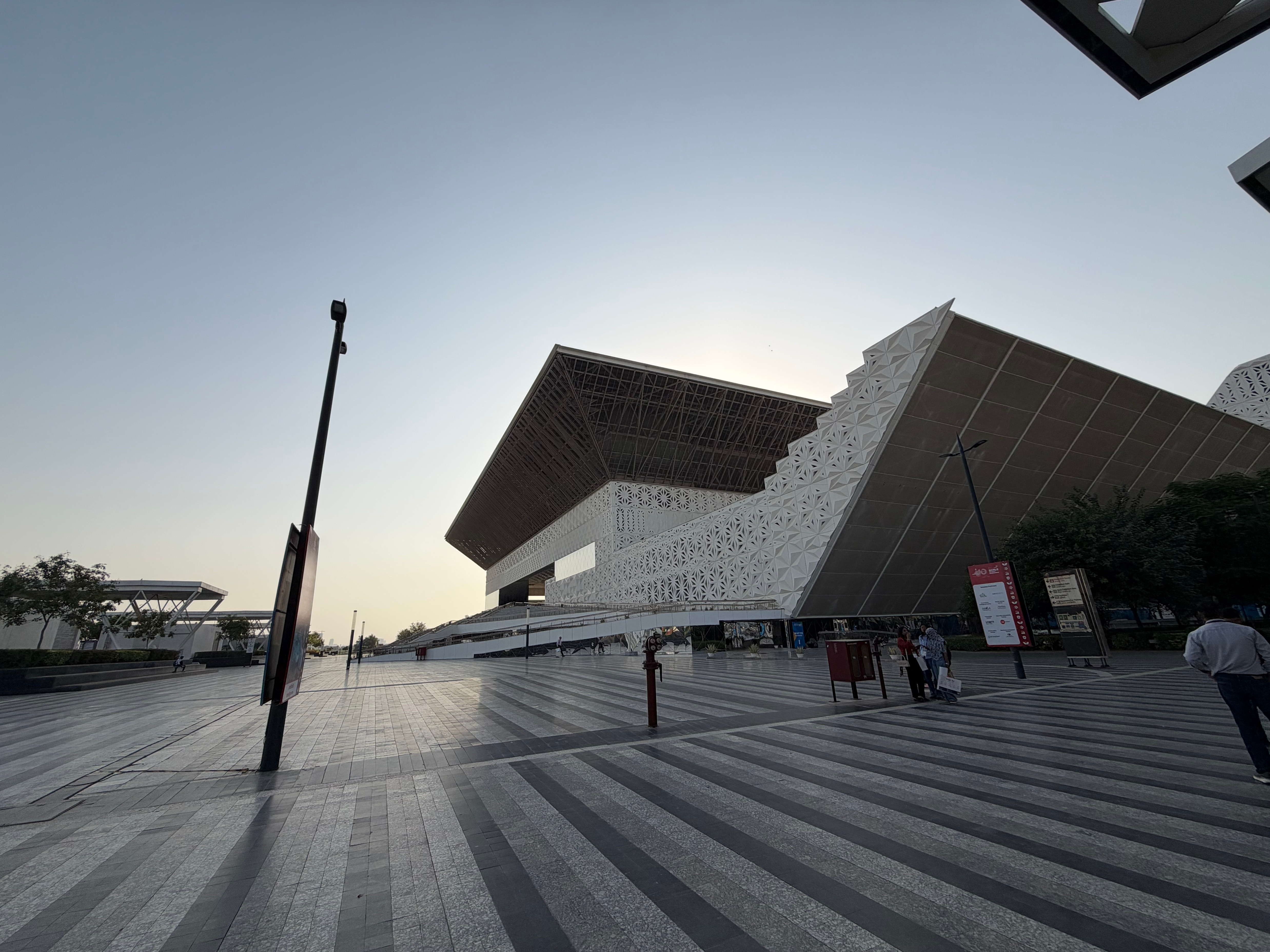



iPhone 18 Pro Max ultrawide camera samples (tap images to expand)
The 48-megapixel ultrawide camera and 18-megapixel Centre Stage front camera are the same as the 17 Pro Max, so buyers shouldn’t expect an entirely new experience.
Selfies remain largely unchanged. The Center Stage camera leans toward Apple’s traditionally warm skin tones. Macro shots look good, and like the previous gen, you can use the ultrawide for close-up shots. Portraits on the 18 Pro Max look excellent, with strong subject isolation and good background blur. But it’s worth noting that compared to the 17 Pro Max, the new model doesn’t do anything special.

iPhone 18 Pro Max selfie camera sample (tap image to expand)
Apple continues to appeal to content creators, and video recording remains a major focus. The iPhone 18 Pro Max supports 4K Dolby Vision recording at up to 120fps on the main camera, plus professional options like ProRes RAW and Apple Log 2. The expanded manual controls should be particularly useful to creators who want more consistent exposure and colour across shots. The new model adds features like Smart Focus Tracking and enhanced video controls. These features make the camera more versatile, but their usefulness depends on whether you regularly shoot demanding video projects or simply record everyday moments.
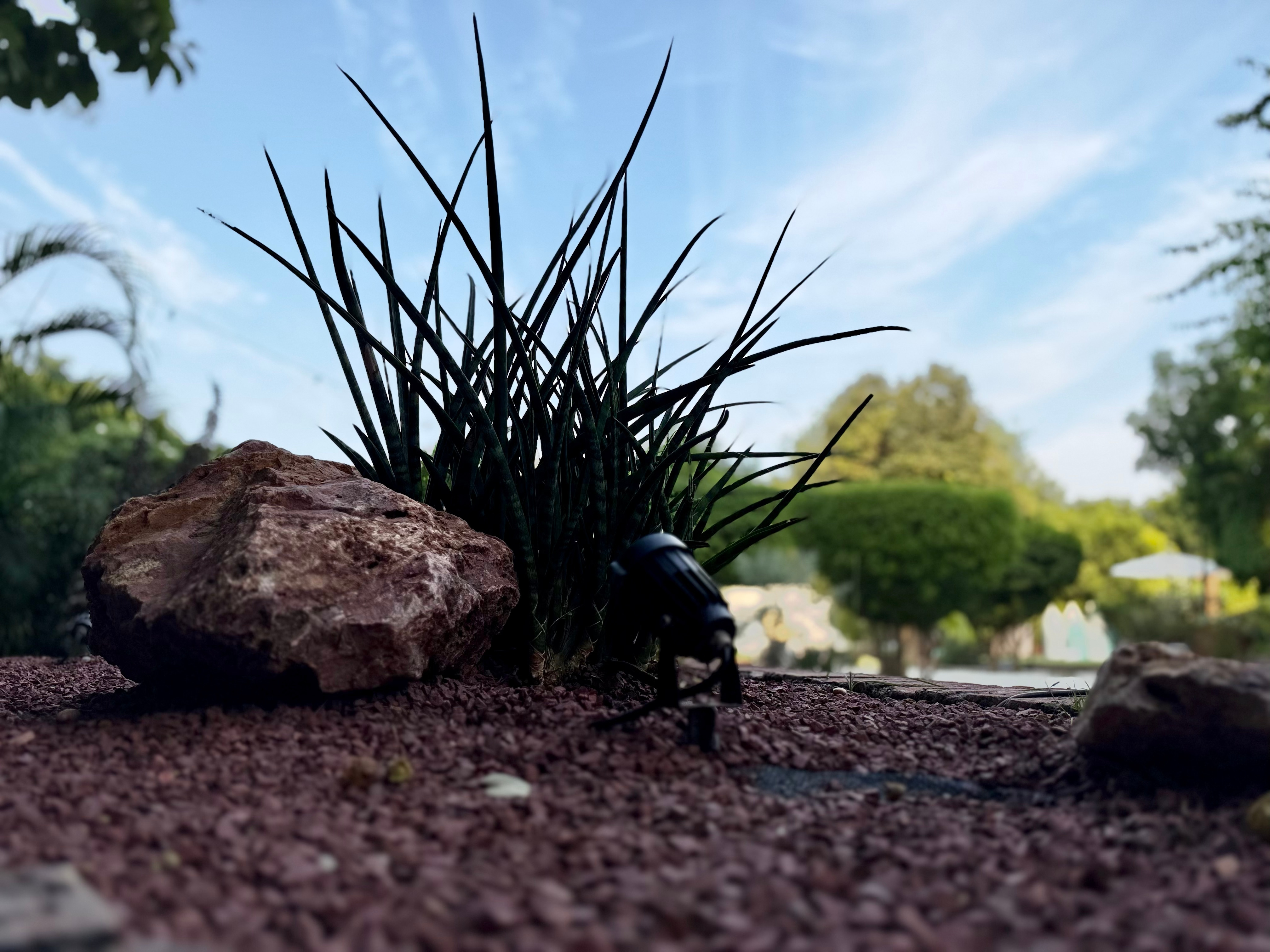

iPhone 18 Pro Max portrait camera samples (tap images to expand)
In my opinion, the camera improvements add flexibility rather than represent a complete overhaul. The variable aperture is an interesting addition, and the extra controls will appeal to photography enthusiasts. But for someone already using the iPhone 17 Pro Max, the case for upgrading becomes much less straightforward.
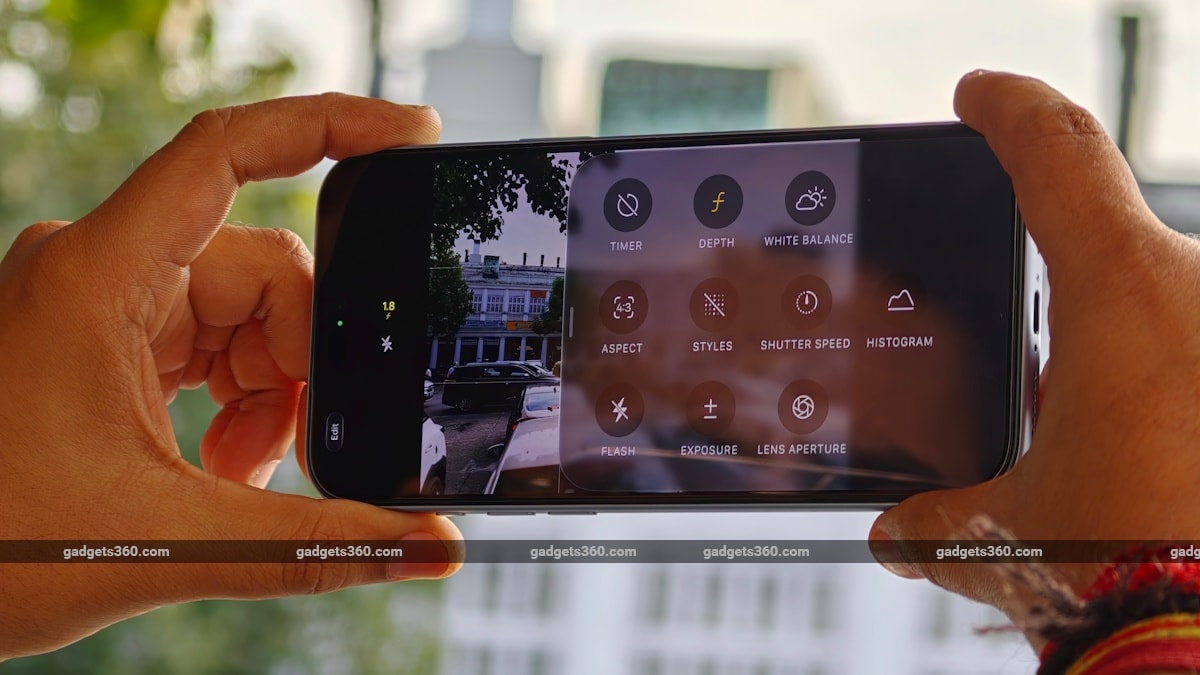
The native Camera app now offers manual controls for aperture, shutter speed, white balance, and more
iPhone 18 Pro Max Battery: The Upgrade That Actually Matters
- 5391mAh battery
- Up to 50% charge in around 15 minutes when using a 60W-capable adapter
- Up to 50% charge in 30 minutes with a 35W adapter
- Qi2 wireless charging support up to 25W
The single most compelling reason to buy this phone is the battery. Unlike some of the other improvements, I’ve noticed this almost every day during the review period. The iPhone 18 Pro Max comes with a 5,391mAh battery, up from the 4,823mAh unit in the iPhone 17 Pro Max. That’s an increase of about 12 percent in capacity, which is significant by Apple’s standards.
There’s another detail worth highlighting. The Indian version, which retains a physical nano-SIM slot, has a smaller battery than the eSIM-only version sold in markets such as the US. The latter gets a 5,567mAh battery pack.
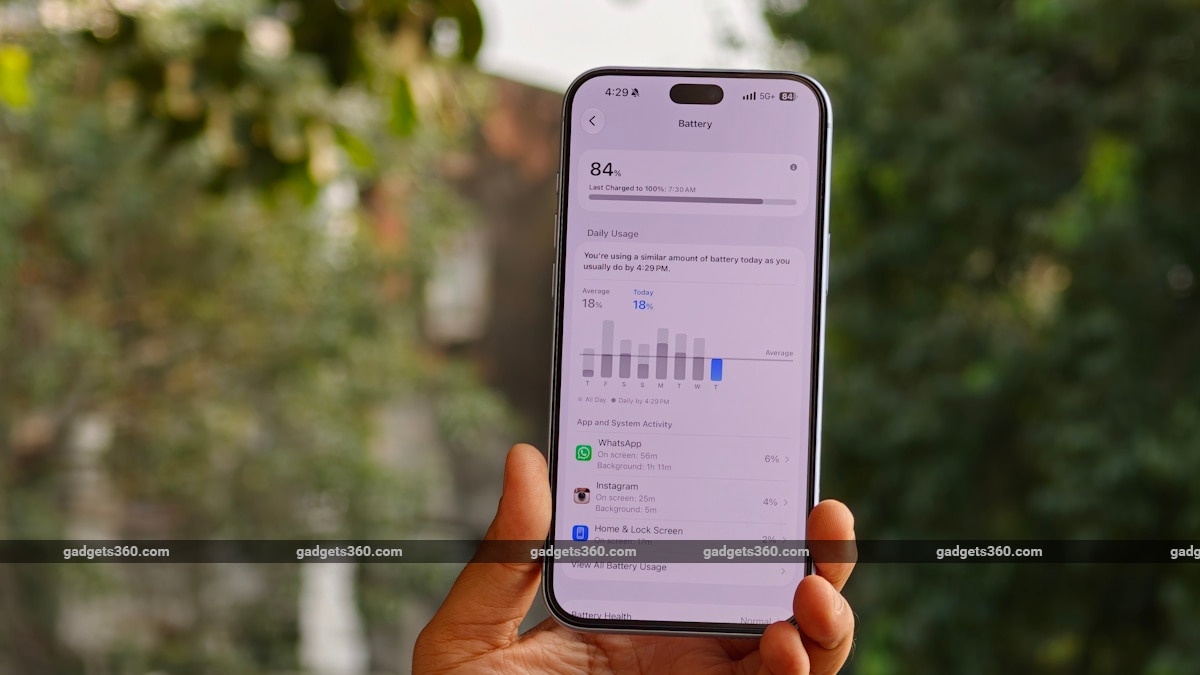
It packs a 5,391mAh battery and lasted nearly 1.5 days in our testing
I’ve been using the iPhone 17 Pro Max for almost a year, so I had a fairly clear idea of what to expect from Apple’s biggest iPhone. With heavy usage, the 17 Pro Max generally lasts around a day. That’s respectable endurance, but by the end of a demanding day, I only had about 25 percent charge left.
The iPhone 18 Pro Max changes that equation. During my three weeks with the device, I regularly got nearly a day and a half of use on a single charge. That’s impressive considering the kind of testing the phone has been subjected to. Beyond regular use, I’ve pushed it through demanding tasks, including extensive video-loop testing and long gaming sessions.
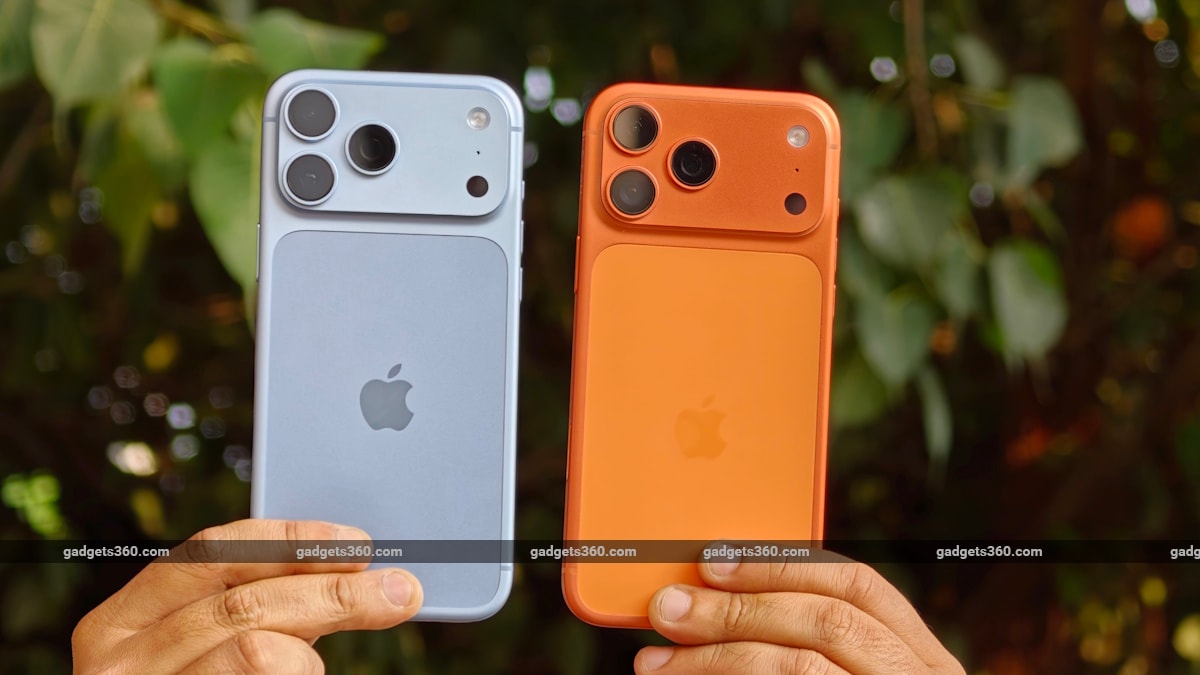
The iPhone 17 Pro Max remains an excellent flagship, making the case for a yearly upgrade rather difficult
During a long highway drive across mountain routes with Apple Maps running continuously, screen brightness maxed out against the sun glare, and intermittent music streaming, the 18 Pro Max refused to die. This extra capacity means you can finally survive a full travel day without keeping one eye on your power bank.
What impressed me wasn’t merely the maximum battery life, but how consistently the phone handled heavier workloads. The phone gets warm during demanding gaming, but the battery endurance remains reassuring. It also cools down soon after the session ends, which adds to the sense that Apple has improved the device’s overall efficiency. The video-loop tests were another demanding part of the review process. After repeated testing over three weeks, its endurance remained one of its strongest attributes.
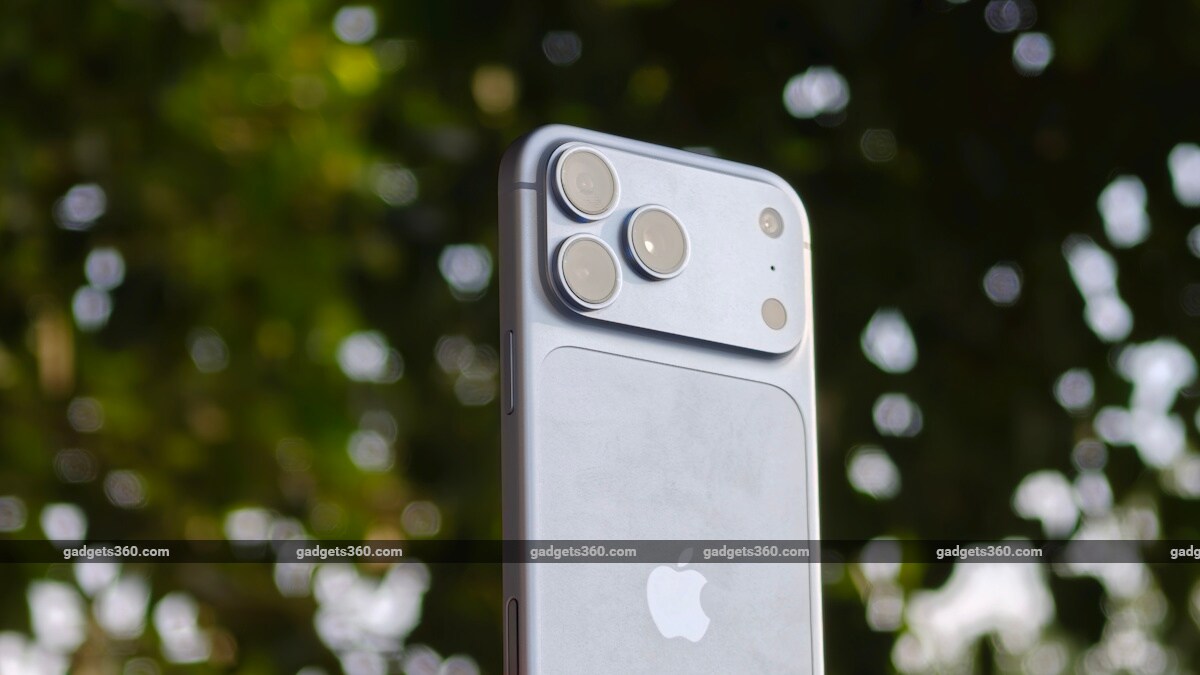
Despite the familiar design, the additional 18 grams of weight is hard to ignore during prolonged use
Of course, battery life will vary depending on usage patterns, network conditions and the apps running in the background. Someone spending several hours gaming or recording high-resolution video shouldn’t expect exactly the same results as a lighter user. But the improvement over the 17 Pro Max is substantial enough that you don’t need a benchmark to appreciate it.
This extra endurance changes how you use the phone. With the 17 Pro Max, a heavy day usually meant ensuring that a charger was available before the next morning. The 18 Pro Max provides considerably more breathing room. You can push it harder without constantly keeping an eye on the battery percentage.
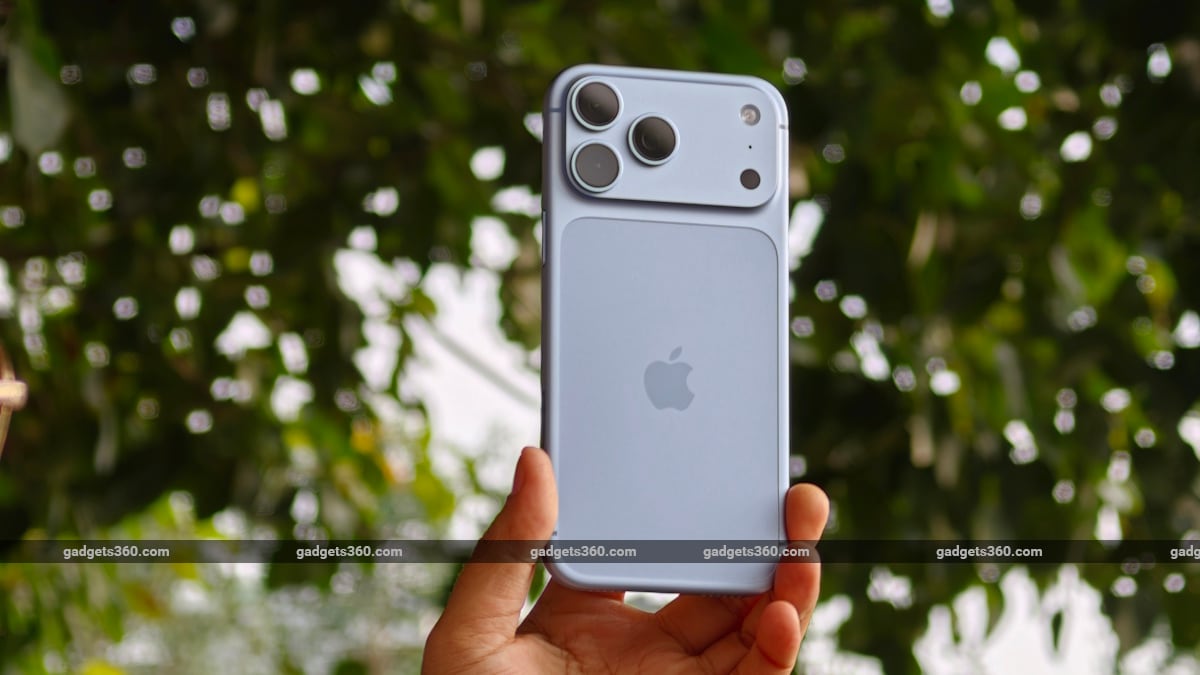
Apple has largely retained the iPhone 17 Pro Max design, with very few changes to the overall appearance
Charging has also received the much-anticipated upgrade. Apple claims the phone can reach up to 50 percent in approximately 15 minutes with a compatible 60W adapter supporting Adjustable Voltage Supply. However, you need to buy the adapter separately, and it’s worth noting that charging speeds depend on the accessory used. The iPhone still doesn’t chase the extremely high charging wattages offered by some Android flagship smartphones. However, faster charging combined with substantially better endurance makes the overall battery experience more convenient.
For someone who travels frequently, spends long hours away from a charger, or uses the phone extensively for gaming, navigation and content creation, the improved battery life could be enough to justify choosing the 18 Pro Max over an older model. It’s also the one improvement that I can confidently say makes the 18 Pro Max feel meaningfully different from the 17 Pro Max in everyday use.
iPhone 18 Pro Max Verdict
After spending three weeks with the iPhone 18 Pro Max, my biggest takeaway is that Apple has improved an already excellent smartphone without substantially changing the experience. The design remains familiar, the display is almost identical, and everyday performance feels remarkably close to the iPhone 17 Pro Max. The A20 Pro brings more processing power and better sustained performance, but last year’s flagship is already fast enough that the improvement isn’t particularly noticeable during everyday use.
The new camera controls and variable aperture open up interesting possibilities, especially for photography enthusiasts. However, these are refinements rather than changes that fundamentally alter how most people take photographs. On the software side, iOS 27 brings a fresher interface and more customisation, but many of those software improvements are available on older compatible iPhones too.
Battery life is the biggest exception. The iPhone 18 Pro Max has delivered excellent endurance throughout my testing, regularly lasting nearly a day and a half and remaining impressive even with demanding gaming sessions. For power users, this is a meaningful upgrade that addresses one of the most important aspects of smartphone ownership. But is it enough to recommend upgrading from the iPhone 17 Pro Max? For most users, I don’t think so.
The 17 Pro Max remains an excellent flagship with a capable camera system, a fantastic display, strong performance and respectable battery life. Unless longer endurance is an absolute priority, there is little reason to spend a substantial amount replacing it after just one year.
The iPhone 18 Pro Max makes considerably more sense for someone upgrading from an iPhone 16 Pro Max or an older device. Those users will appreciate the overall improvements in performance, cameras, design and battery life far more than someone moving from last year’s model.
At Rs. 1,79,900 onwards, Apple’s latest flagship is an expensive proposition. Competition in this price category is also formidable, particularly in charging speeds and long-range camera capabilities. Nevertheless, the iPhone 18 Pro Max delivers where it matters most for heavy users. It is powerful, polished, and exceptionally dependable for endurance. The problem isn’t that Apple hasn’t made a better phone. It certainly has. The iPhone 17 Pro Max was already so good that most existing owners don’t need this one.
For alternatives at this price point, there are plenty of options, including the Vivo X300 Ultra, the newly announced Oppo Find X10 Pro Max, and the Samsung Galaxy S26 Ultra (Review).