Bose announced on October 21 that it has acquired audio brand Skullcandy. The acquisition follows a multi-year partnership between the two companies, which saw Bose audio technology feature in Skullcandy earbuds and headphones. The announcement clarified that Skullcandy will continue to operate as a separate brand under Bose’s Premium Consumer Audio business and retain its headquarters in Park City, Utah. Notably, neither company has disclosed the financial terms of the deal.
Bose Takes Over Skullcandy, Keeps Brand Independent
Bose bought Skullcandy from a fund managed by Mill Road Capital Management, a Connecticut-based private investment firm. Skullcandy will remain a separate brand under Bose’s Premium Consumer Audio business, with its headquarters staying in Park City, Utah. Bose also plans to invest in the brand’s growth, giving it access to more of its audio technology, resources, distribution network, and commercial partnerships. The companies have not disclosed the financial terms of the deal.
The companies have already been working together on audio products, with Skullcandy incorporating Sound by Bose technology into its headphones and earbuds. Their collaboration includes the Method 360 ANC true wireless earbuds, launched in 2025 with acoustic co-engineering by Bose, and the Crusher 1080 ANC over-ear headphones, released in July 2026 with Bose QuietControl adaptive noise cancellation and the WaveForm Audio Engine.
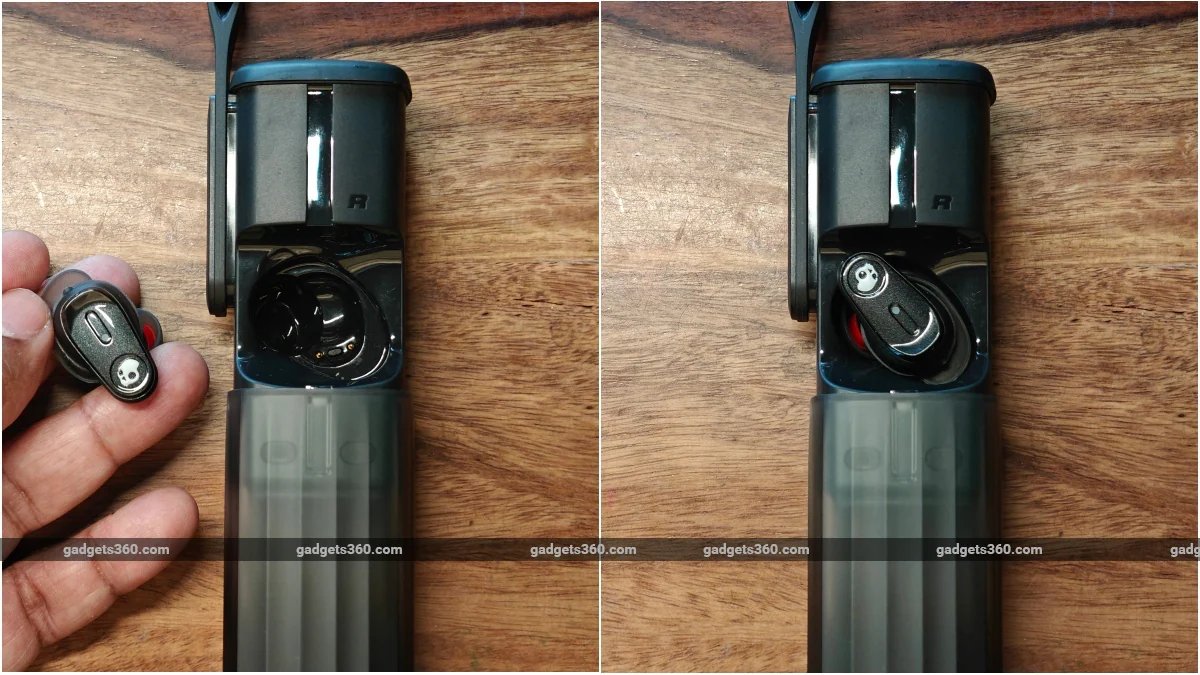
In India, the Skullcandy Method 360 ANC TWS earbuds, offered in Black, Bone, Primer, Plasma and Leopard finishes, are priced at Rs. 16,999. You can read our review of the wearable here. Meanwhile, the Skullcandy Crusher 1080 ANC headphones, available on the company’s US website, cost $279.99 (roughly Rs. 26,900) and are sold in Black, Candy, Cement and Primer shades.
Bose expects the acquisition to help it reach more consumers through Skullcandy’s existing links with boardsports, music, gaming and fitness communities. The deal is also part of Bose’s plan to grow its business through partnerships and additional brands, rather than relying solely on products sold under its own name.