


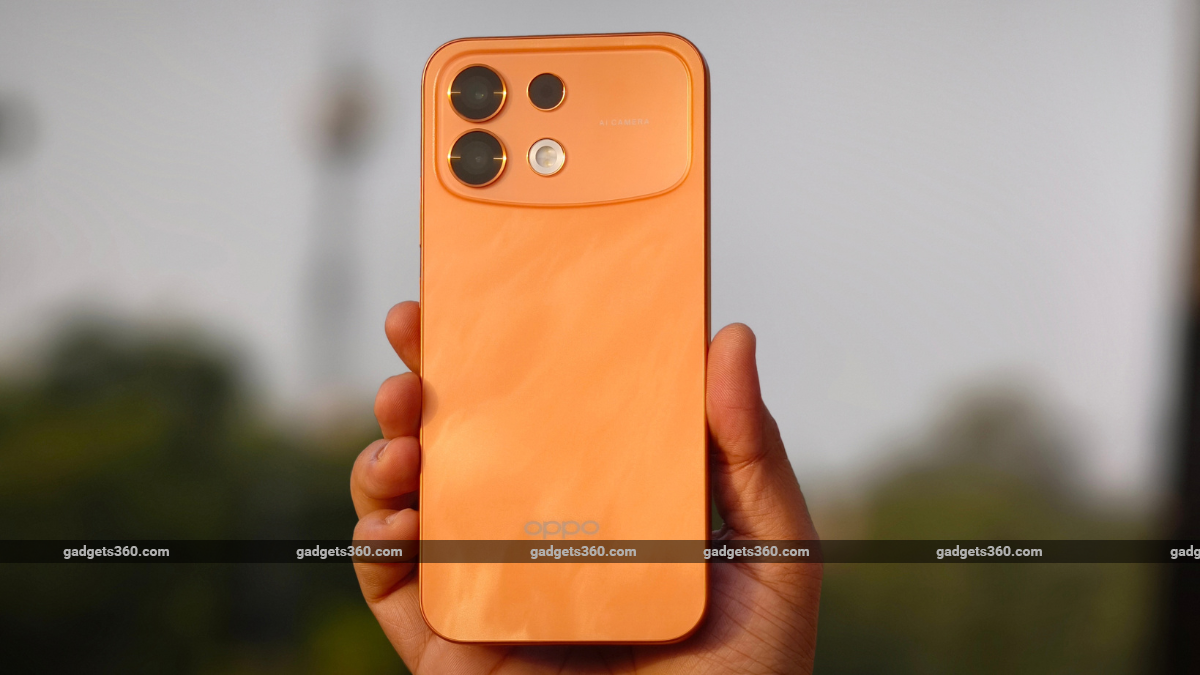
Oppo’s F Series has come a long way since its debut in India a decade ago. The lineup started with a fairly straightforward proposition: a smartphone that could take good selfies. The early models, including the F1, F3, F5, and F7, helped Oppo establish its ‘Selfie Expert’ identity in the country. Over the years, however, the series has changed, with battery life, performance, and durability becoming equally important. Now, with the launch of the F35 Series in India, Oppo is once again putting imaging at the centre of its strategy, but this time with a greater focus on group photography and content creation.
The timing also coincides with an important milestone for the company. Oppo says its F Series has crossed 30 million users in India, with nearly 16 to 17 variants introduced over the past 10 years. The F35 Series builds on that journey with a 50-megapixel ultra-wide selfie camera, AI-powered editing features, and a large battery. Oppo is also looking beyond casual photography, with the growing creator economy becoming an important part of its lineup plans.
Talking around the F35 Series launch, Gadgets 360 spoke to Goldee Patnaik, Head of Communications at Oppo India, about the journey so far, how smartphone usage has changed, and why the company believes its new devices will appeal to a wider audience. The conversation also touched upon longer smartphone upgrade cycles, software improvements, and Oppo’s expanding after-sales service network.
The Oppo F35 5G starts at Rs. 38,999 in India for the base variant and goes up to Rs. 42,999 for the top-end. Meanwhile, the Oppo F35 Pro 5G starts at Rs. 45,999, with the top-of-the-line variant priced at Rs. 54,999.
From Selfie Expert to Group Selfie Expert
For Patnaik, completing 10 years of the F Series marks a significant milestone, especially given how much the smartphone market and consumer preferences have changed over the years.
“This is a very emotional moment,” Patnaik said, reflecting on the journey. He recalled that the initial F Series models focused largely on improving front-camera capabilities, which eventually helped the company build its reputation around selfies.
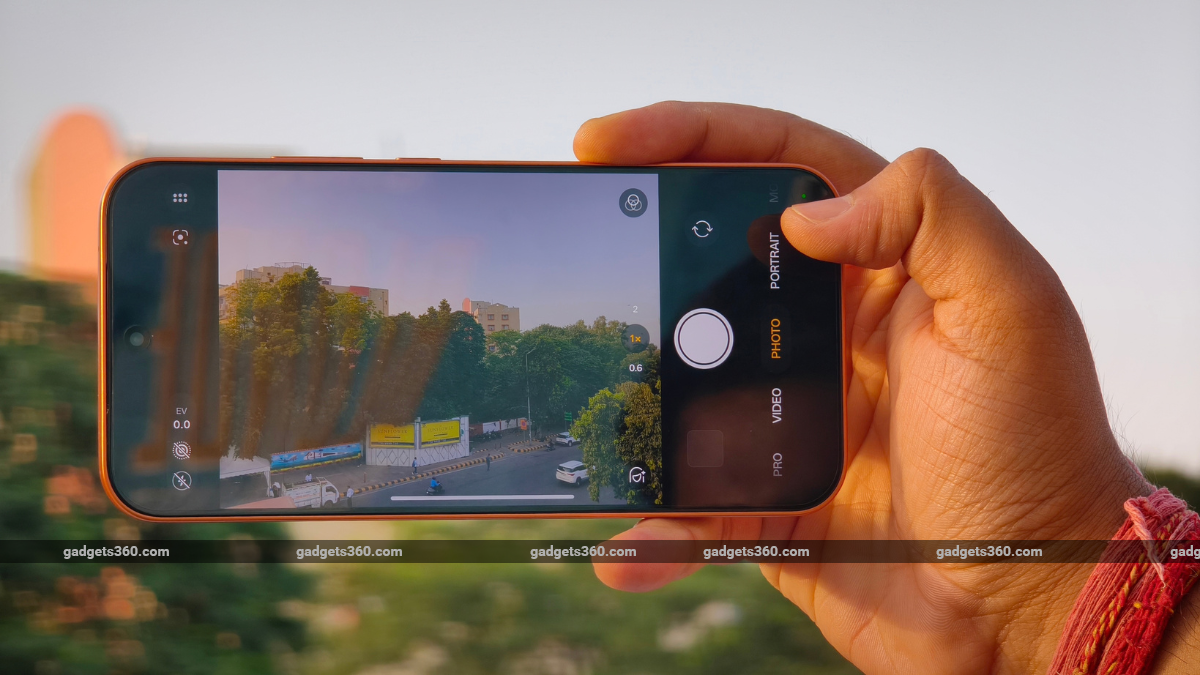
That approach began changing as consumers started expecting more from their devices. Oppo first expanded its focus to battery life and performance, before making durability a key selling point with models such as the F27 and F29 Series. The company is now returning to its camera roots with the F35 Series, although Patnaik believes the way people take photographs has changed considerably.
“It’s a journey which started from being a selfie expert to being a group selfie expert,” he said, explaining the thinking behind the new lineup.
A key highlight of the Oppo F35 Series is its 50-megapixel ultra-wide natural selfie camera, which offers a 100-degree field of view. The wider camera is designed to fit more people in a single frame, especially during family gatherings, celebrations, and festivals. Patnaik explained that Oppo wanted to improve the experience of capturing moments with friends and family, rather than simply enhancing individual selfies. He also said the company tested the camera with groups of seven to eight people.
During the interaction, the executive acknowledged that previous F Series smartphones already featured ultra-wide front cameras. However, Oppo felt there was room to improve how these cameras handled larger groups.
The F35 Series also introduces Natural Tone 2.0, which the company says is designed to retain facial details, skin textures, and natural-looking colours across multiple subjects. Patnaik believes the feature could be particularly relevant during India’s festive season, when people often take photos with extended family and friends.
For Oppo, the focus is on making group photos easier to capture without forcing people to squeeze into the frame or move farther from the camera.
Why Oppo Is Looking at the Creator Economy
While group selfies remain a major talking point, Oppo is also looking at how smartphone photography has evolved beyond sharing pictures with friends and family. Patnaik believes the growing creator economy has opened up another audience for the F Series. He pointed out that people now use their smartphones for different purposes. Some capture photographs to preserve memories, others share their experiences on social media, while a growing section creates content professionally.
According to Patnaik, the latter group is becoming increasingly important. He explained that more young consumers, particularly Gen Z users, are exploring content creation to build an online identity and, in some cases, earn a living. For these users, the smartphone needs to offer a reliable experience across shooting, editing, and sharing content.
This is also where Oppo believes the F35 Series can make a difference. Beyond its upgraded cameras, the company is adding AI-powered creative features to the lineup, along with performance and software improvements.
Patnaik highlighted the importance of having a device that can handle repeated editing and sharing tasks without slowing down. He explained that someone creating content throughout the day should be able to move between these tasks without interruption.
Oppo is also looking beyond the metro cities for this audience. Patnaik (pictured below) specifically mentioned aspiring entrepreneurs, students, young professionals, and creators in Tier 2, Tier 3, and Tier 4 markets. The company believes these consumers increasingly want smartphones that help with daily work while offering the camera capabilities needed for social media.

Longer Smartphone Upgrade Cycles Are Changing Priorities
Another interesting point during the interaction was the changing smartphone upgrade cycle in India. Patnaik acknowledged that consumers are increasingly holding on to their phones for two to three years. As smartphones become more expensive, buyers are also looking for devices that last longer. He said smartphones have become a key household purchase, with buyers weighing durability, battery life, and long-term performance before upgrading.
This has also influenced Oppo’s approach to the F Series. The F35 Series features an 8,000mAh battery and supports 80W fast charging. Patnaik confirmed that the retail box will include the 80W charger.
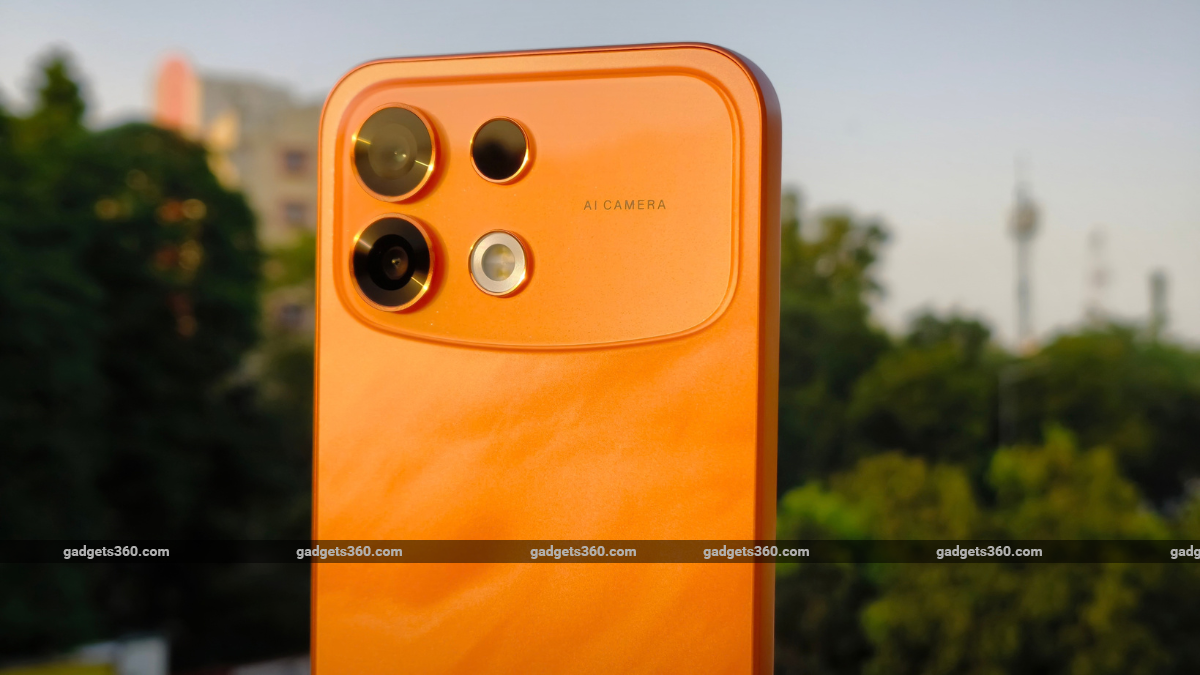
Despite the larger battery, Oppo has tried to keep the profile relatively slim. Patnaik also discussed design changes, including the Dynamic 3D Wave finish, the Starry Lens design, and a new Sunrise Orange colour option. The company is also highlighting its six-year fluency claim, which relates to maintaining a smooth software experience over prolonged usage.
Patnaik explained that the emphasis on battery life and sustained performance reflects how consumers now use their devices. For people who rely on smartphones for content creation or professional tasks, these factors become especially important.
The executive also touched upon the F35 Pro’s camera hardware. The device comes with a 50-megapixel main camera with optical image stabilisation (OIS) and supports 4K video recording on both the front and rear cameras. Oppo sees these additions as useful for creators who want to record videos without necessarily investing in separate camera equipment.
Oppo Is Bringing More Creative AI Features to the F Series
AI was another major topic in our conversation, especially as Oppo brings features previously available on its higher-end devices to the F Series.
Patnaik said the company’s AI approach centres on three areas: creativity, imaging, and productivity. One new addition is Remix Collage, a feature previously seen on Oppo’s Reno Series. It lets users turn their photos into collages with creative elements, making them easier to share on social media.
The F35 Series also brings AI Pop Out, alongside features such as Shake and Pay and AI-powered productivity tools. Natural Tone 2.0 is another part of Oppo’s imaging-focused AI efforts. The company believes these features can help users handle different parts of the content creation process directly on their smartphones.
The F35 Series runs ColorOS 16 out of the box. Interestingly, Patnaik also hinted at additional software improvements for F Series users during the festive season. He did not share full details of the upcoming changes but said Oppo is working on enhancements to improve the overall software experience.
During the discussion, we also asked about on-device AI processing, particularly as consumers increasingly pay attention to data privacy and the amount of information being processed through cloud-based services.
Patnaik said Oppo’s software philosophy is built around being “smart, secure, and smooth.” He also emphasised the company’s focus on data security across tasks such as creating, editing, and sharing content. However, he did not provide a specific figure for the amount of AI processing handled locally on the F35 Series, or a feature-wise breakdown of on-device and cloud-based operations.
After-Sales Support Remains an Important Part of the Strategy
As smartphone ownership cycles lengthen, Oppo is also paying attention to what happens after a customer buys a device. Towards the end of our interaction, Patnaik shared some numbers related to Oppo’s after-sales operations in India.
According to the executive, the company has more than 600 service centres across more than 500 towns nationwide. Oppo also offers customer support in 19 languages, something Patnaik believes is particularly important given the company’s presence across different regions.
He also discussed Service Centre 3.0 Pro, a newer format Oppo has been rolling out across its service network. Nearly 100 service centres have adopted the new format, Patnaik said. These centres feature digital queue management systems designed to reduce wait times and make the repair process more organised.
Another interesting aspect is the focus on transparency. Patnaik explained that customers can watch their devices being repaired, rather than leaving them behind without knowing what is happening. The company is also working to speed up service resolution and ensure replacement parts are readily available.
Patnaik believes these changes can give buyers greater confidence, especially when they spend more on a smartphone and plan to use it for several years. For Oppo, the service network is also important as the company looks to retain existing users while encouraging them to upgrade within its smartphone portfolio.
What’s Next for the Oppo F Series?
With the F35 Series, Oppo is building on the identity that helped the F Series establish itself in India. The focus on selfies remains, but the company now wants to meet a broader set of needs, from group photography to content creation and everyday productivity.
The 30-million-user milestone also gives Oppo a substantial existing audience. But as upgrade cycles lengthen and smartphone buyers become more selective, keeping these customers interested in newer devices will be key.
Patnaik’s comments suggest that Oppo sees battery life, sustained performance, camera improvements, and after-sales support as important parts of that equation.
The F Series may have started as a lineup for selfie enthusiasts, but Oppo now wants it to appeal to people who use their smartphones for much more than taking photos.