


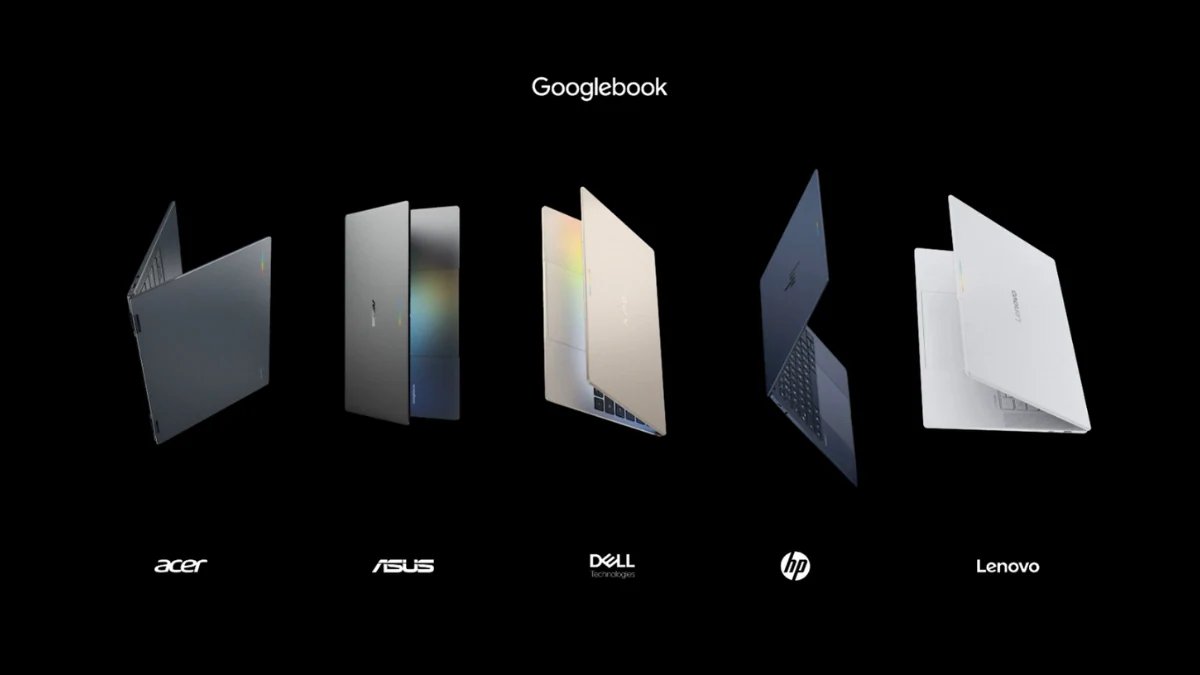
Google has shared more details about Android app support on its new Googlebooks, including the differences between Intel and Snapdragon-powered models. While most popular Android apps work on the new laptops, some still face compatibility issues. Google says 96.6 percent of the more than 10,000 most-used Android apps work on Intel-powered Googlebooks. The company has also explained how Intel models run apps designed for Arm processors, giving users a better idea of what to expect from Android app support on these laptops.
Most Popular Android Apps Work on Intel Googlebooks
Intel-powered Googlebooks use a binary translation layer to run Android apps built for Arm processors, according to an Android Authority report. Instead of using older 32-bit x86 emulation, the system translates modern 64-bit Arm code into something Intel processors can run. Google reportedly says this helps demanding Android apps run smoothly and respond almost like they would on devices using Arm chips.
Google had earlier said that most Android apps work on Googlebooks regardless of the processor, although some may need changes from developers to run properly on Intel models. It has now shared a clearer figure, saying 96.6 percent of the more than 10,000 most-used Android apps work on Intel-powered models and are available through the Play Store, the report added.
That leaves a small group of apps that do not work on the laptops. However, the report says their problems do not necessarily come from the Intel processor. Many of the remaining apps have compatibility issues with large-screen devices in general. Some apps, for example, need hardware such as a gyroscope, which Googlebooks don’t have.
Googlebooks come with either Snapdragon chips that use Arm or Intel processors that use x86. Google has previously said Snapdragon-powered models offer better Android app support, but Intel-powered models still handle most popular Android apps.
The Mountain View-based tech giant has used similar technology before, with ChromeOS previously relying on a translation layer called libhoudini to help x86-based devices run Android apps. The company has not yet confirmed whether the system on its new Intel-powered Googlebooks uses the same technology.