


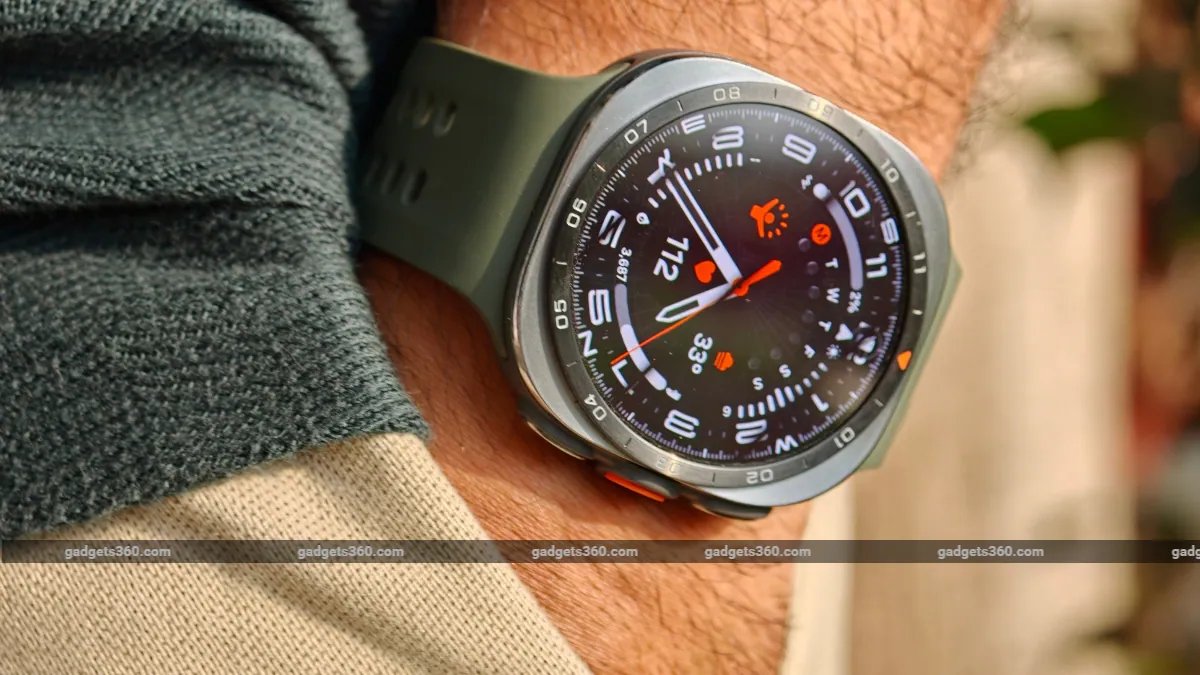
For years, smartwatches have been just about counting steps, tracking workouts, and buzzing your wrist when a notification comes in. But that’s not the case anymore. The bigger push now is towards making sense of all the health data these wearables collect, whether spotting changes in vitals, suggesting how much exercise you should do, monitoring sleep, or even warning you when the environment around you could be harmful.
However, less visible is how much groundwork happens outside the tech giant’s headquarters in South Korea. Samsung Research Institute-Noida (SRI-N), which was established in 2007, works across the entire Galaxy ecosystem, including phones, wearables, tablets, and software. Digital health and AI, meanwhile, are among its key initiatives. Over the past few years, the centre has also worked on India-specific health services, including its ABDM-compliant health record system and partnerships with Tata 1mg and PharmEasy.
At a recent roundtable with Gadgets 360, Kyungyun Roo, Managing Director of SRI-Noida, and Dr. Amitabh Thapliyal, VP of Service Development at the centre, discussed the R&D work behind Samsung Health and the company’s latest wearables, including the Galaxy Watch Ultra 2 and Galaxy Watch 9. The conversation covered everything from how health algorithms are tested in India to the limits of smartwatch health data and what Samsung thinks wearable health tracking could eventually become.
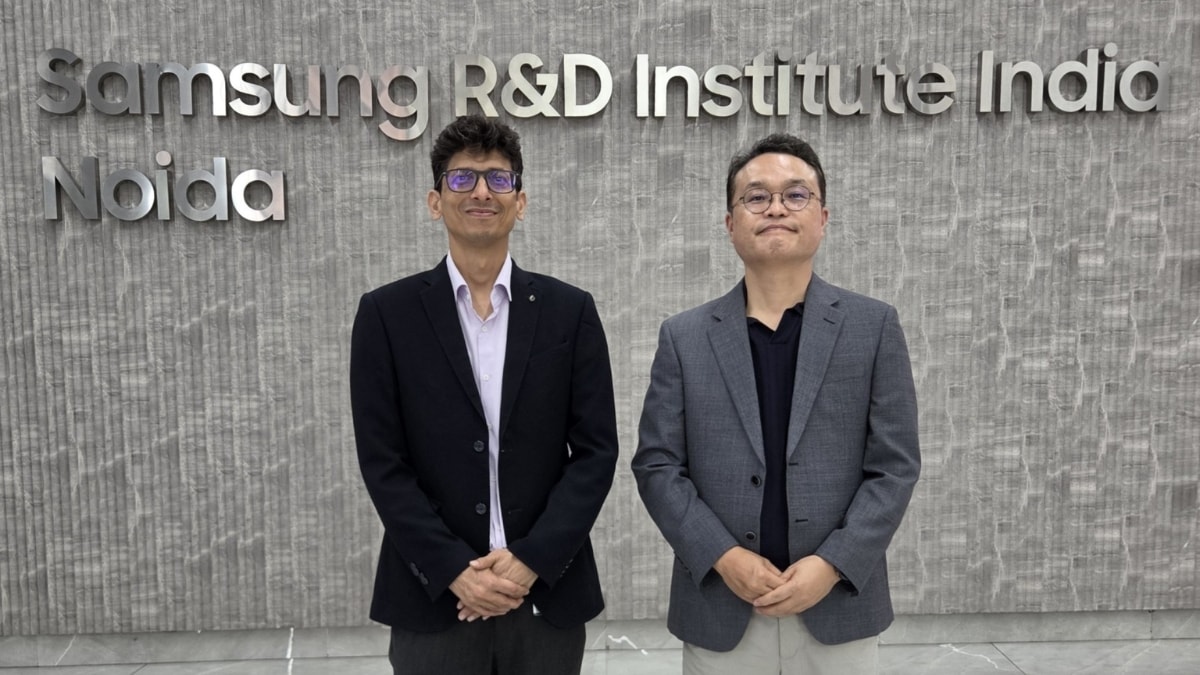
Dr Amitabh Thapliyal, VP, Service Development, SRI-Noida (left) with Mr Kyungyun Roo, Managing Director, SRI-Noida (right)
Photo Credit: Samsung
Tuning Galaxy Watch Algorithms for Indian Users
One question we asked Dr. Thapliyal was about optical PPG sensors, which can behave differently depending on skin tone, movement, and ambient conditions. With India representing a particularly diverse user base, we wanted to know whether Samsung recalibrates its sensors or algorithms using Indian demographic datasets.
Dr. Thapliyal said Samsung’s algorithm development considers demographics and regional conditions, although he did not get into specifics about datasets or sensor-level changes made specifically for India.
“Our fine-tuning of algorithms is conducted with consideration for demographics, regions, and global market conditions,” Dr. Thapliyal said.
He added that Samsung’s validation and development processes, including the design and architecture of its solutions, are designed to account for “all-wearer conditions.”
That answer also gives some idea of where SRI-Noida fits into Samsung’s health R&D. The centre primarily works on software, including health platforms, tracking apps and frameworks that sync health information between Galaxy phones and wearables.
The hardware sensors themselves are therefore only part of the equation. How their signals are interpreted and how the resulting algorithms behave under different conditions is another important piece of the puzzle.
From Health Data to an Actual Healthcare Journey
The bigger question is what happens after a smartwatch collects all this information. A Galaxy Watch is obviously not a medical-grade device, but features such as Find Care begin to connect the health data on your wrist with actual healthcare services. But could Samsung’s long-term goal eventually be to make smartwatch data reliable enough for a doctor to use for something like a preliminary diagnosis?
The company is not making that claim yet.
“We have never claimed that they can diagnose conditions or replace doctors and their services,” Dr. Thapliyal said.
Instead, the company focuses on wellness and preventive care. Samsung wants to use data collected over time to make users more aware of changes in their health and encourage them to seek professional advice where necessary.
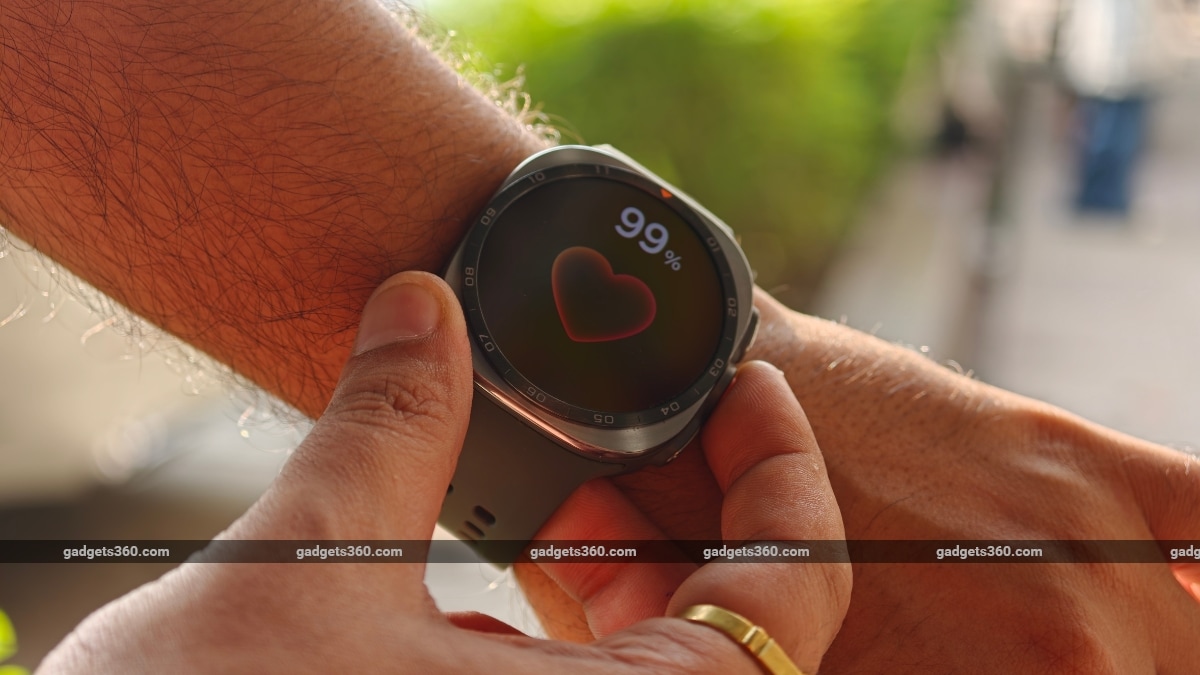
That is where Find Care comes in. Built into Samsung Health, the service lets users consult doctors, book lab tests, and order medicines through partners such as Tata 1mg and PharmEasy. Samsung also supports linking health records with India’s ABDM system.
So, rather than making the Galaxy Watch a doctor, Samsung seems to be treating it as the first step in a larger healthcare journey where it can collect the data on the wrist, make sense of it through Samsung Health, and help users find professional care when they need it.
What is SRI-Noida Actually Contributing?
In recent years, Samsung has announced collaborations with IIT Madras and other academic institutes. But have these partnerships already resulted in new sensor capabilities or algorithms?
While Dr. Thapliyal wasn’t willing to discuss specific future technologies, he did make it clear that Samsung sees India’s engineering talent as an important part of its future health and AI work.
“We recognise the exceptional talent in India and aim to leverage it for Samsung Health and the AI domain,” Thapliyal added.
SRI-Noida also works with local institutions such as IITs and IISc, while collaborating with Samsung’s Suwon R&D centre as part of a unified development team. The centre also works with technology companies whose expertise can help Samsung build new services.
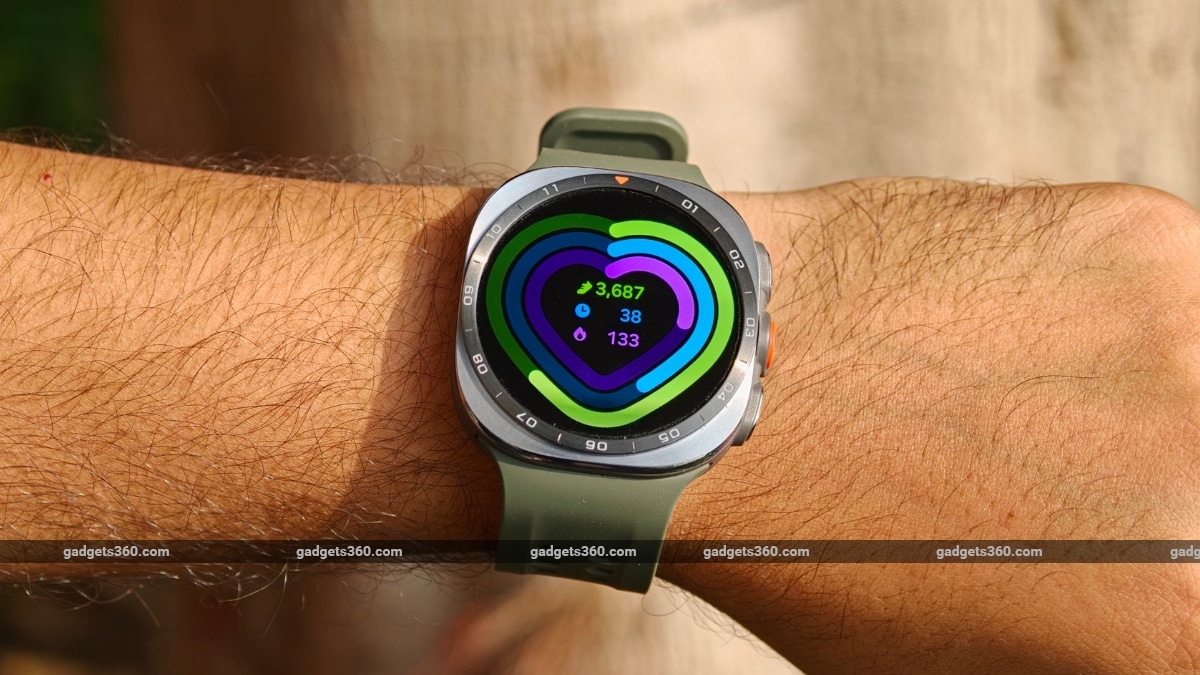
For the latest Galaxy Watch generation, that contribution is more concrete. Dr. Thapliyal said Indian engineers worked on Samsung Health’s renewed framework, including Vital Tracker, Hearing Health, Daily Cardio Load, and Trail Running. SRI-Noida’s health R&D and testing teams also tested these features under Indian conditions before they were commercialised globally.
That last part is important. India’s role isn’t necessarily limited to creating features that are only useful for Indian customers. In some cases, testing in India can uncover problems that ultimately lead to changes in Samsung’s global products.
The best example Dr. Thapliyal gave was surprisingly mundane: an auto-rickshaw.
During the development of Samsung’s auto cycle detection, Samsung says engineers found that the watch could mistake the movement of a slow-moving auto-rickshaw on India’s bumpy roads for someone riding a bicycle. The team ran field tests, investigated the false positives, and modified the algorithm to address the issue.
“These enhancements were then integrated into the global product,” he said.
This is a good example of why testing these algorithms outside a lab matters. Things don’t always behave the same way once you put a watch on someone’s wrist and send them about their day. In India, even something as simple as travelling on a bumpy road can create situations that engineers may not encounter in controlled testing.
There are still plenty of unanswered questions around where Samsung’s wearable health ambitions ultimately lead. The company declined to discuss specific future technologies, including potential glucose-related features, and a regulatory boundary clearly exists around what a smartwatch can claim to do.
But the direction is fairly clear. Samsung wants its watches to spend less time merely recording what happened and more time helping users understand what that information means.
In our experience with the Galaxy Watch Ultra 2, Samsung’s focus on making health tracking more useful rather than simply adding more numbers was pretty evident. The watch delivered consistent step and heart-rate readings when put up against the Apple Watch Series 11. Further, features such as Daily Cardio Load and AI-powered health insights added more context to the data.
Despite its massive footprint, the Ultra 2 is also easy enough to use as an everyday smartwatch. Its three-day battery life and extremely bright display were the standout features for us. However, its large build and slow charging are still drawbacks. At Rs. 64,999, the Galaxy Watch Ultra 2 is arguably more of a watch than most people need, but if you have the money, then why not?