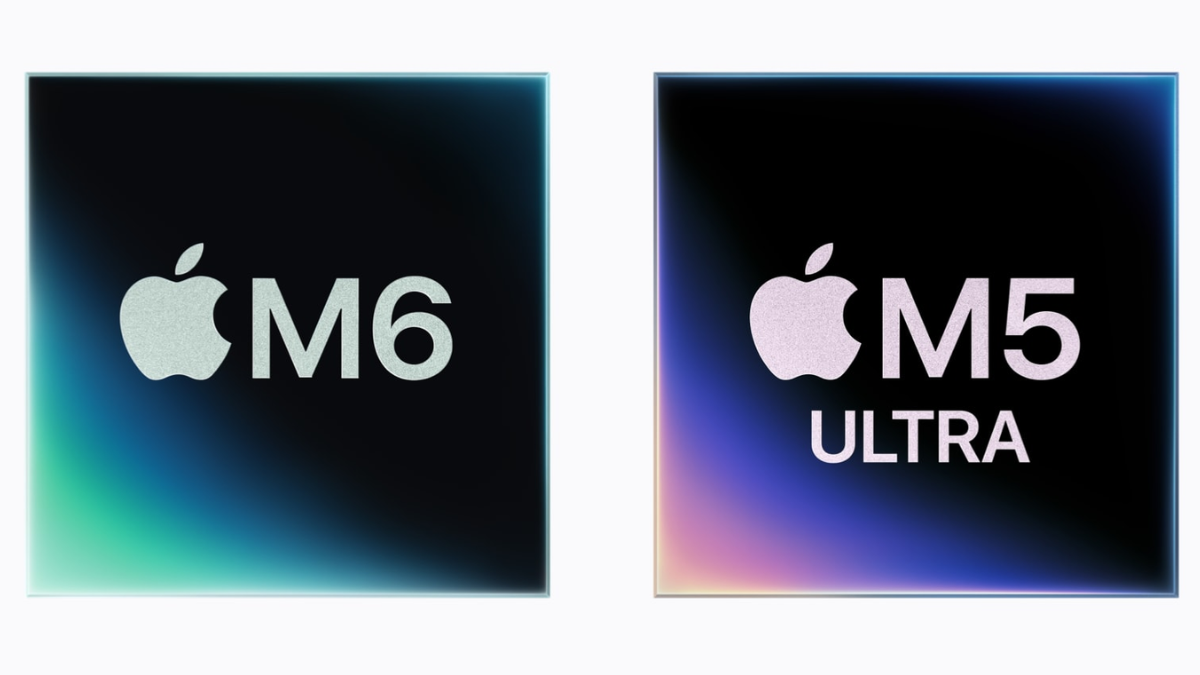
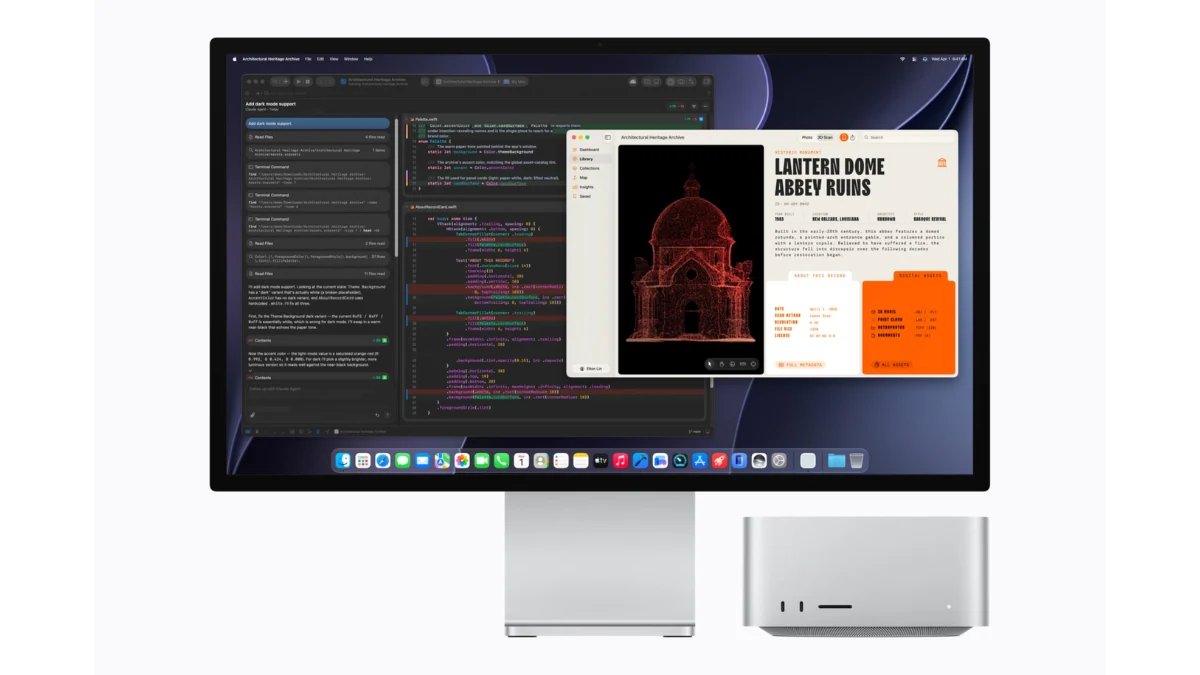
Apple on Tuesday launched the refreshed versions of the Mac Studio and Mac mini in India. The update brings the Cupertino-based tech giant’s latest-generation silicon to the compact desktop lineup. The updated Mac Studio now comes with M5 Max and the new M5 Ultra chips. Meanwhile, the Mac mini can be configured with both the M5 Pro as well as the new M6 silicon. Apple claiming significant gains over their predecessors in terms of on-device AI performance, while the new models also support Wi-Fi 7 and Bluetooth 6.
Mac Studio, Mac Mini Price in India and Availability
The price of the Mac Studio with M5 Max in India starts at Rs. 2,79,900, while the model with the more powerful M5 Ultra starts at Rs. 6,29,900. As part of the educational plans, customers can purchase than at an effective pricing of Rs. 2,56,900 and Rs. 5,84,900, respectively.
The Mac mini with M6 processor is priced at Rs. 99,900, while the M5 Pro-powered model starts at Rs. 2,09,900. Education pricing starts at Rs. 88,990 for the M6 model and Rs. 1,97,900 for the M5 Pro version.
Apple says all four models are available for pre-order in the country beginning August 25 (today). They can be purchased through the Apple Store app and the Apple online store. The devices will also be made available via Apple store locations and authorised retailers starting September 22.
Mac Studio With M5 Max and M5 Ultra Features and Specifications
According to Apple, the Mac Studio offers a performance upgrade with the M5 silicon, while retaining the compact design. The company claims up to 4.3 times faster AI performance, up to twice as fast storage, up to 1.8 times faster graphics and up to 1.3 times faster CPU performance compared to the previous generation.
The M5 Max variant of the Mac Studio can be configured with an 18-core CPU and up to a 40-core GPU, with Neural Accelerators built into each GPU core. It is available with up to 128GB of unified memory, with memory bandwidth of up to 614GB/s.
The updated chip also comes with third-generation hardware-accelerated ray tracing and a Media Engine supporting hardware-accelerated H.264, HEVC, ProRes and AV1 decoding. Apple claims the desktop can handle uncompressed 8K footage and multiple concurrent video streams.
The top-of-the-line variant, equipped with the M5 Ultra, has up to a 36-core CPU and an 80-core GPU. It can be configured with 512GB of unified memory and offers up to 1.2TB/s of memory bandwidth. Apple claims up to 4.3 times the peak AI compute performance of the M3 Ultra and up to 1.8 times faster graphics.
This chip is claimed to be designed for demanding video and AI workflows, with its Media Engine featuring twice as many video encode and decode blocks as the M5 Max. The M5 Ultra-equipped Mac Studio can simultaneously play up to 33 streams of 8K ProRes 422 video at 30fps.
Both configurations of the Mac Studio run on MacOS 27.
On the connectivity front, the desktop computer supports Wi-Fi 7, Bluetooth 6, and Thunderbolt 5. The desktop can be paired with up to eight displays, or up to four Studio Display XDR monitors at 5K resolution and 120Hz. There is also support for clustering multiple Mac Studio systems over Thunderbolt 5 and Remote Direct Memory Access (RDMA).
Mac Mini With M6 and M5 Pro Features and Specifications
The new Mac mini comes with the M6 chip, which is offered alongside the M5 Pro. Apple says the M6 version features a 12-core CPU and 12-core GPU, with Neural Accelerators integrated into every GPU core. This is claimed to deliver up to four times faster AI performance and twice as fast graphics compared to the Mac mini with M4.
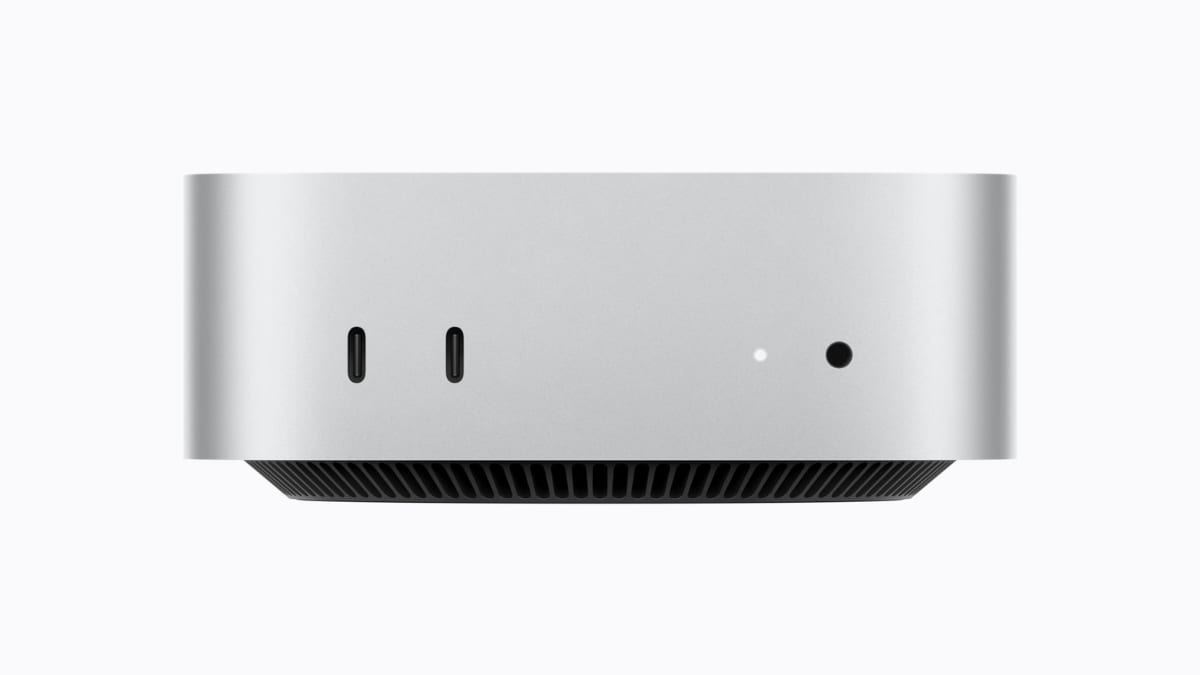

The refreshed Mac mini supports Wi-Fi 7 and Bluetooth 6
Photo Credit: Apple
The M6 includes a new Dual 16-core Neural Engine, along with up to 32GB of unified memory. The company also claims up to 40 percent faster CPU performance, twice as fast storage and graphics compared to the previous generation.
Mac mini with the M5 Pro, meanwhile, caters to users with more demanding workflows. It can be configured with up to an 18-core CPU and a 20-core GPU. The M5 Pro model supports up to 64GB of unified memory. It also features third-generation ray tracing and Apple’s enhanced GPU architecture.
Both Mac mini variants support Wi-Fi 7, Bluetooth 6 and 2.5Gb Ethernet, with an optional 10Gb Ethernet option. There are two USB-C ports and a headphone jack at the front, while the rear housing features HDMI, Ethernet and three Thunderbolt ports. The M6 model has Thunderbolt 4, whereas the M5 Pro variant gets Thunderbolt 5.
Like the Mac Studio, the Mac mini also runs on MacOS 27 across variants.