Things can get a little complicated when two sibling brands launch almost identical smartphones under their respective banners. It is one thing to compare phones from competing companies with entirely different approaches, but quite another when similarities extend from a purely design perspective to almost identical internals. This is the situation the new iQOO Z11 finds itself in, launched in the country almost a fortnight after its cousin, the Vivo S2.
The iQOO Z11 price in India starts at Rs. 34,999. It brings a slightly more powerful chipset to the table, along with an ultra-wide-angle camera and noticeably better battery optimisation. But are those changes enough to make it the better sibling? Here’s our review.
iQOO Z11 Design: A Familiar Story
- Dimensions – 164.42 x 75.25 x 7.99mm
- Weight – 199g
- Colours – Celestial Blue, Aurora Green
- Ingress rating – IP68 + IP69
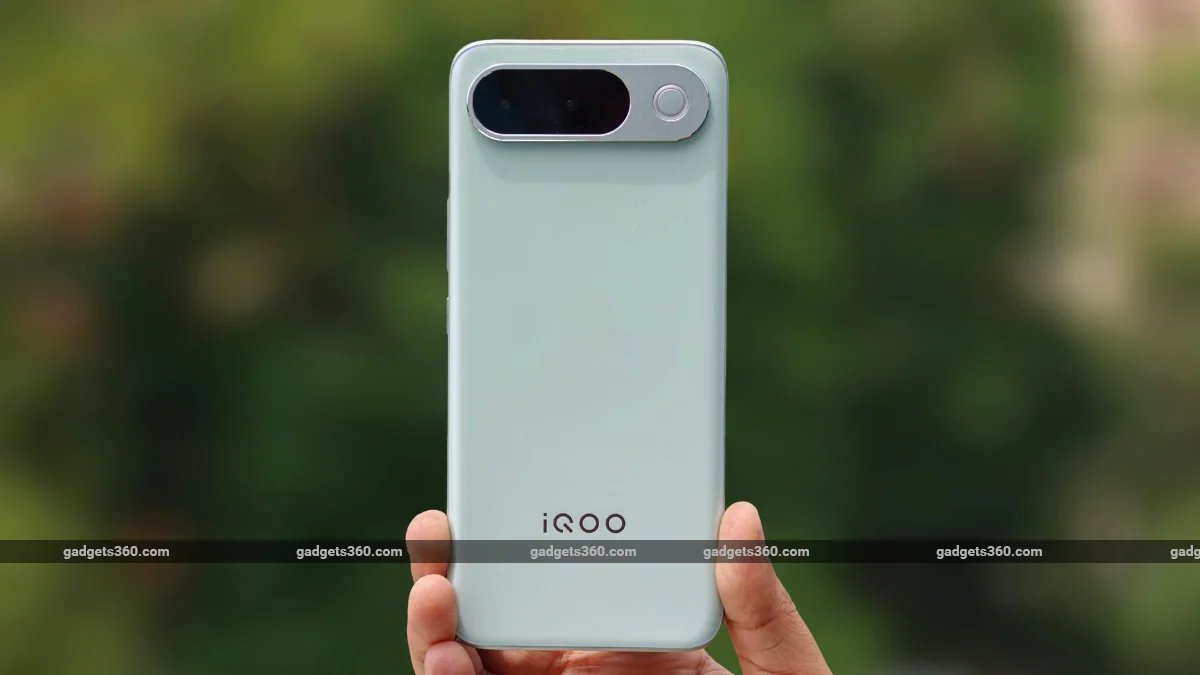
If you have seen the Vivo S2, this will look immediately familiar since the two phones use virtually the same overall design. However, there is one small difference. While Vivo’s mid-range offering has two individually distinct lens rings at the back, iQOO Z11’s single pill-shaped piece of glass encompasses them both. It is not a major change, and you would likely miss it unless both phones were next to each other. However, it gives the iQOO Z11 a slightly more upmarket appeal.
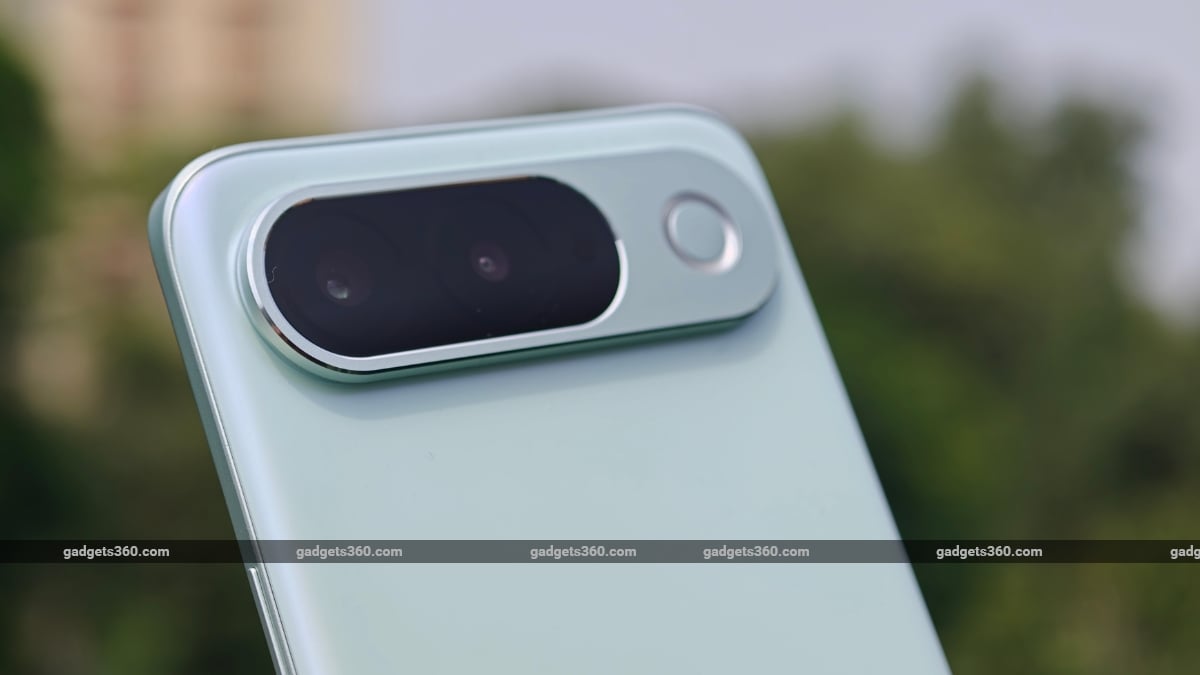

In terms of ergonomics, the iQOO Z11 feels comfortable to hold. While its 7.99 mm thickness isn’t the slimmest on paper, the curved rear panel and tapered edges do some heavy lifting here. Courtesy of this, it feels comfortable in the hand. The rear panel itself, however, leaves me with mixed feelings. iQOO uses a plastic composite sheet here, and while it looks decent, it doesn’t feel particularly nice to touch. I found it lacked the slightly more refined texture that some competing phones, especially from Motorola, now offer in this segment.
We have the Aurora Green version of the iQOO Z11, and I think it is easily the more interesting of the two colour options. At first glance, it looks like a fairly subtle pastel green handset. Move it around under a light source, however, and things change a little. You will see a pale blue sheen that begins to appear in places across the rear panel. It can also occasionally shift towards a much more striking blue depending on the angle. I think this is a genuinely nice colour-shifting effect.
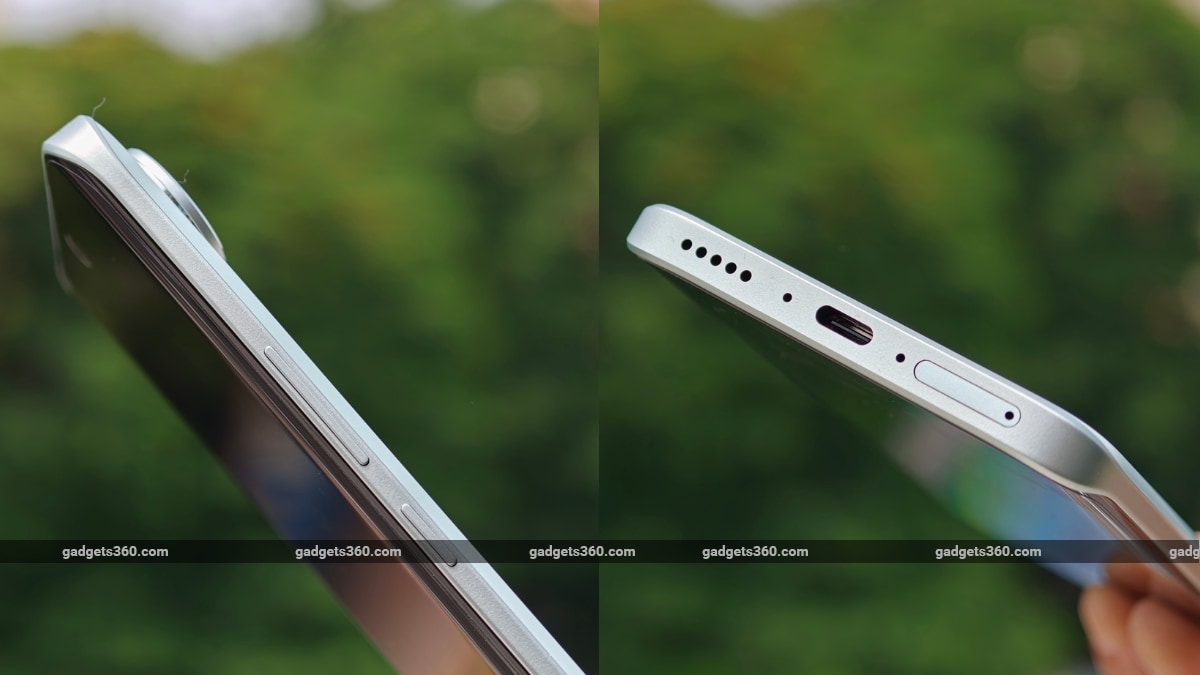
The buttons are where you’d expect them, on the right side. At the bottom, there’s the USB Type-C port, SIM tray, microphone, and speaker grille. The phone also has IP68 + IP69 ratings. I didn’t dunk my review unit in water to test its limits, but the added protection is reassuring.
iQOO Z11 Display: One of Its Better Tricks
- Size and resolution – 6.83-inch Full HD+ AMOLED, 1,260 x 2,800 pixels
- Refresh rate – 144Hz
- Protection – NA
The display is among the highlights of the iQOO Z11. This is hardly surprising, I know, because it is yet another element identical to the Vivo S2. You get a large 6.83-inch Full-HD+ AMOLED screen on the front. Binge-watching is usually a pleasing experience. Text appears sharp, colours are punchy but not excessively artificial, and the 144Hz refresh rate makes everything buttery smooth.
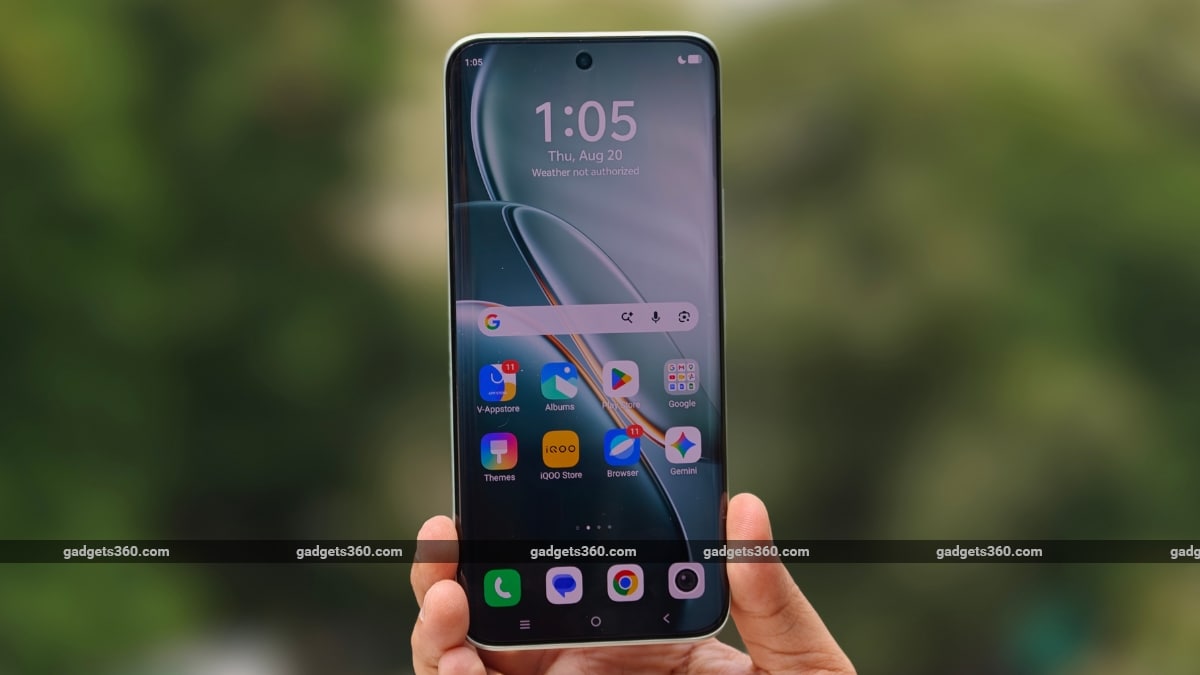
There are two sides to every coin, though. The 3D curved glass does create a more immersive experience because the bezels around the screen are minimised. On the other hand, accidental drops are a big concern, especially since aftermarket screen protectors can be hard to find.
We covered this in our Vivo S2 review, and the in-display fingerprint sensor was noticeably slower on the iQOO Z11, too. While it isn’t painfully slow, there is a noticeable delay between placing your thumb on the screen and the phone waking up.
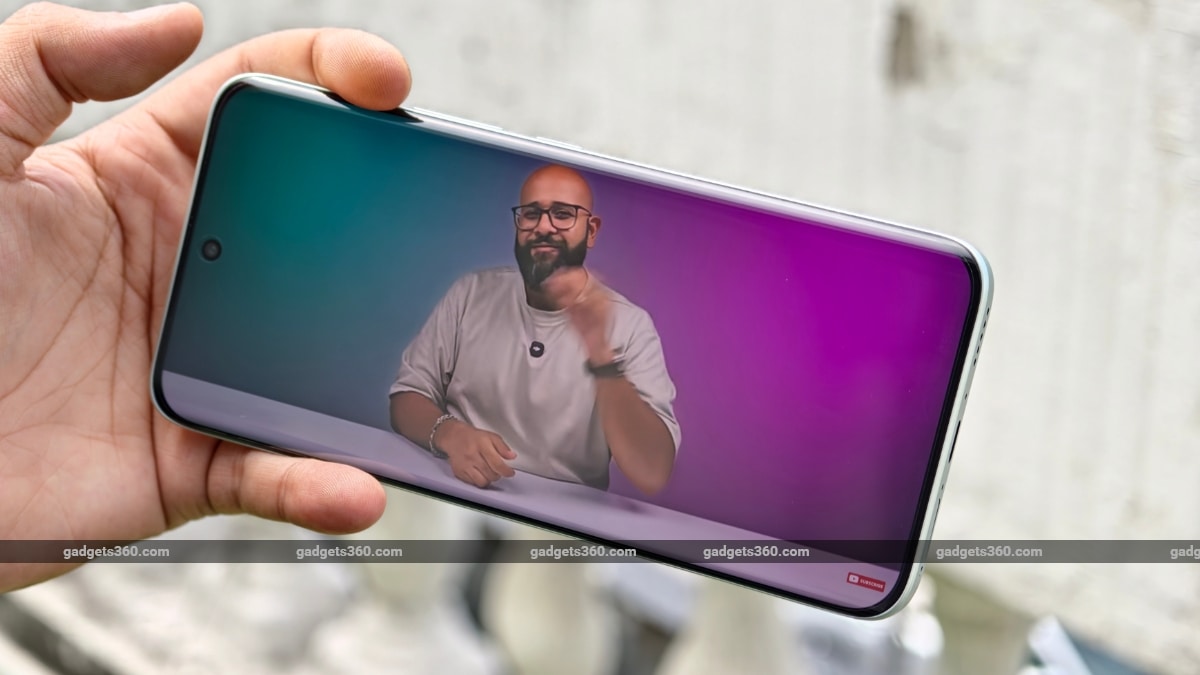
Coming to the audio experience, the dual speakers on the iQOO handset can get loud. But as with most phone speakers, there is virtually no low-end grunt, which means cranking the volume to 100 percent can be sharp to listen to for extended periods.
iQOO Z11 Performance and Software: The More Capable Sibling
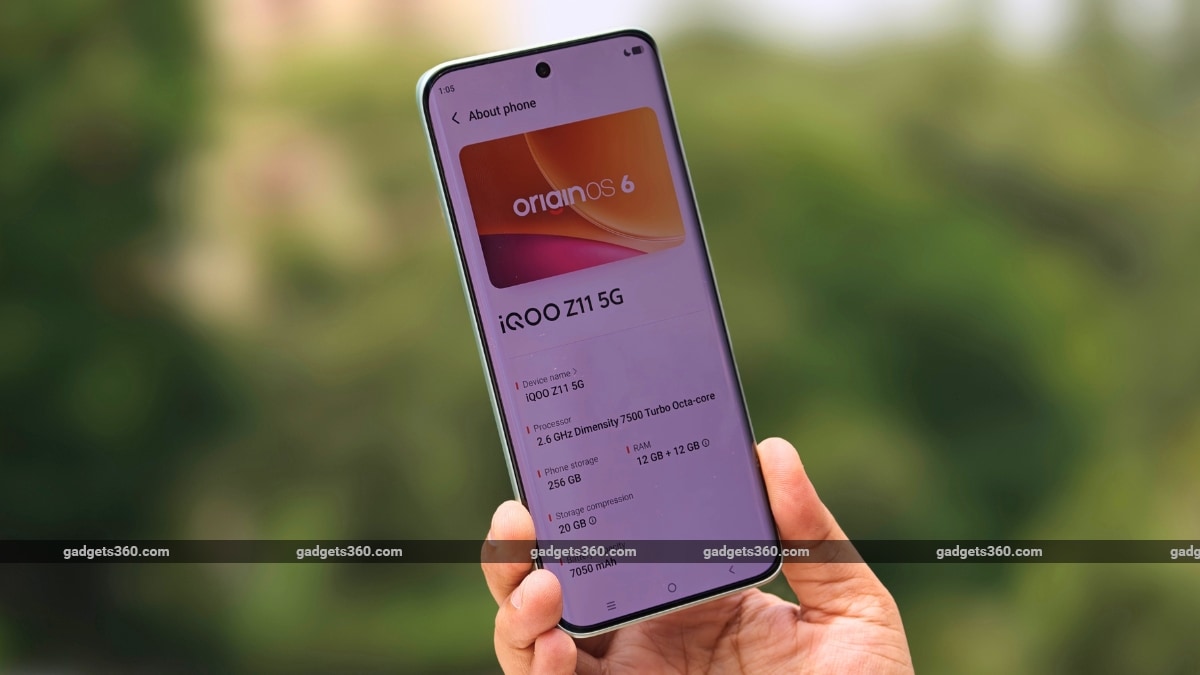
- Processor – MediaTek Dimensity 7500 Turbo
- Memory – Up to 12GB LPDDR4x (RAM), Up to 256GB UFS 3.1 (Storage)
- Software – Android 16-based OriginOS 6
- Updates Promised – 3 Years OS + 5 Years Security Patches
The Dimensity 7500 Turbo is one of the few areas where the iQOO Z11 differs from the Vivo S2. The latter gets the Dimensity 7360-Turbo instead. I didn’t notice much to complain about while using the Z11 normally. Instagram, Chrome, YouTube, WhatsApp, Spotify: the usual stuff. I kept jumping between apps and had quite a few running in the background, but nothing slowed down or froze.
You can check out the synthetic benchmark scores of the iQOO Z11 compared against the Vivo S2 below:
| Benchmark | iQOO Z11 | Vivo S2 |
|---|---|---|
| Display Resolution | Full HD+ | Full-HD+ |
| Chipset | MediaTek Dimensity 7500 Turbo (4nm) | MediaTek Dimensity 7360-Turbo (4nm) |
| AnTuTu v10/11 | 11,11,603 | 9,52,159 |
| PCMark Work Performance 3.0 | 12,977 | 10,621 |
| Geekbench 6 CPU Single Core | 1,089 | 1,027 |
| Geekbench 6 CPU Multi Core | 3,276 | 2,888 |
| Geekbench 7 CPU Single Core | 979 | 870 |
| Geekbench 7 CPU Multi Core | 3,302 | 2929 |
| Geekbench AI CPU (Quantized) | 2,767 | 1,992 |
| Geekbench AI GPU (Quantized) | 687 | 615 |
| 3DM Wild Life | 4,013 | 3,164 |
| 3DM Wild Life Unlimited | 4,046 | 3,148 |
| 3DM Steel Nomad Light | 464 | 345 |
I spent some time playing Asphalt Legends and Call of Duty: Mobile. At medium settings, both were fine. I didn’t notice frame drops that affected gameplay, and the experience was generally smooth. Raising the graphics settings changed things, though, as the phone worked harder and frame drops started creeping in. It also warmed up after about half an hour of gaming, but never got hot enough to be uncomfortable to hold.
The iQOO Z11 runs OriginOS 6, and the experience is essentially the same as the one we encountered on the Vivo S2. There are smooth animations and subtle transitions that look and function nicely on the high-refresh-rate display.
AI Captions is one feature that the brand has been heavily promoting. However, I found that it is particularly interesting only to a niche audience. It is powered by Google Gemini and Microsoft Azure and can provide real-time transcription and translation. The feature works well. I tried it with a few pre-recorded audio files, and it was able to provide captions for everything, along with the subtle pauses and tonality changes.
It also performs fairly well when detecting other spoken languages. iQOO says the feature offers unlimited credits, although I am curious about how that works in practice and what limitations, if any, may eventually apply.
Not everything about OriginOS is perfect. Like other iQOO and Vivo phones, it still comes with a few pre-installed apps you may want to remove, with Block Blast among the usual suspects. Thankfully, you can uninstall most of these fairly easily.
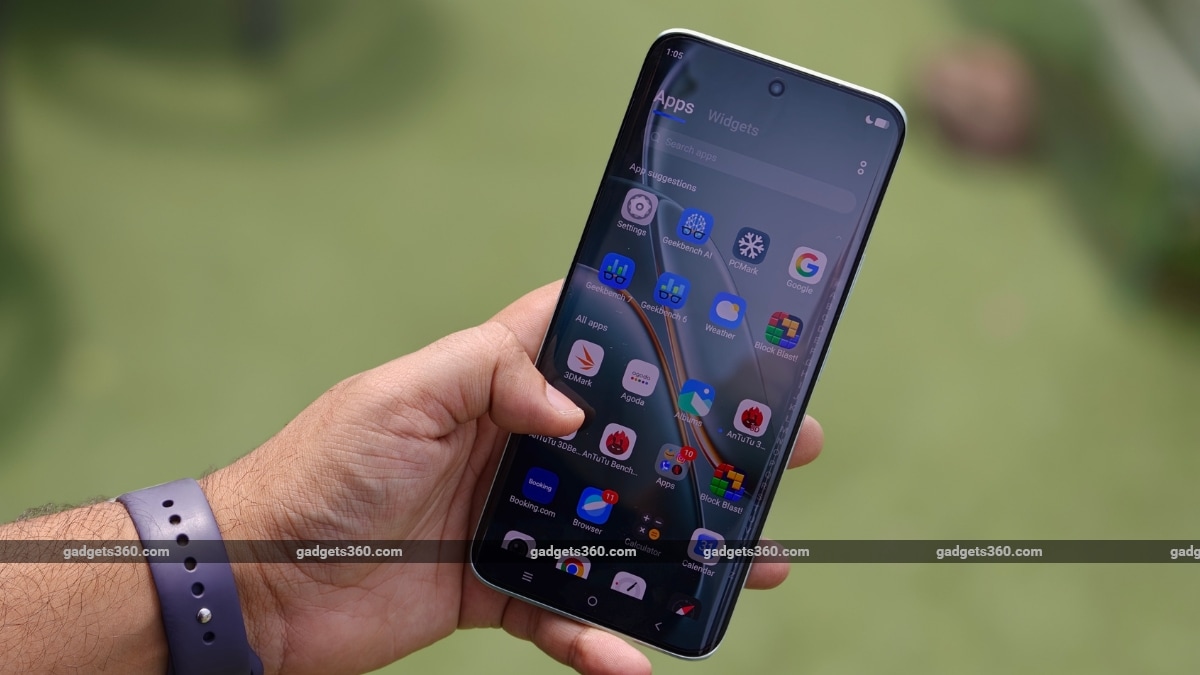
The software support, meanwhile, is reassuring. iQOO has promised three major Android OS updates, along with roughly five years of security patches. That should keep the Z11 relevant for a reasonably long time.
- Rear – 50-megapixel (primary) + 8-megapixel (ultra-wide-angle)
- Front – 32-megapixel
Camera performance on the iQOO Z11 is much par for the course. The 50-megapixel primary camera can capture decent-looking images without doing anything particularly extraordinary. In daylight, I found the colours to be generally pleasing. The phone does a respectable job managing dynamic range, and the photos look good on its immersive display.
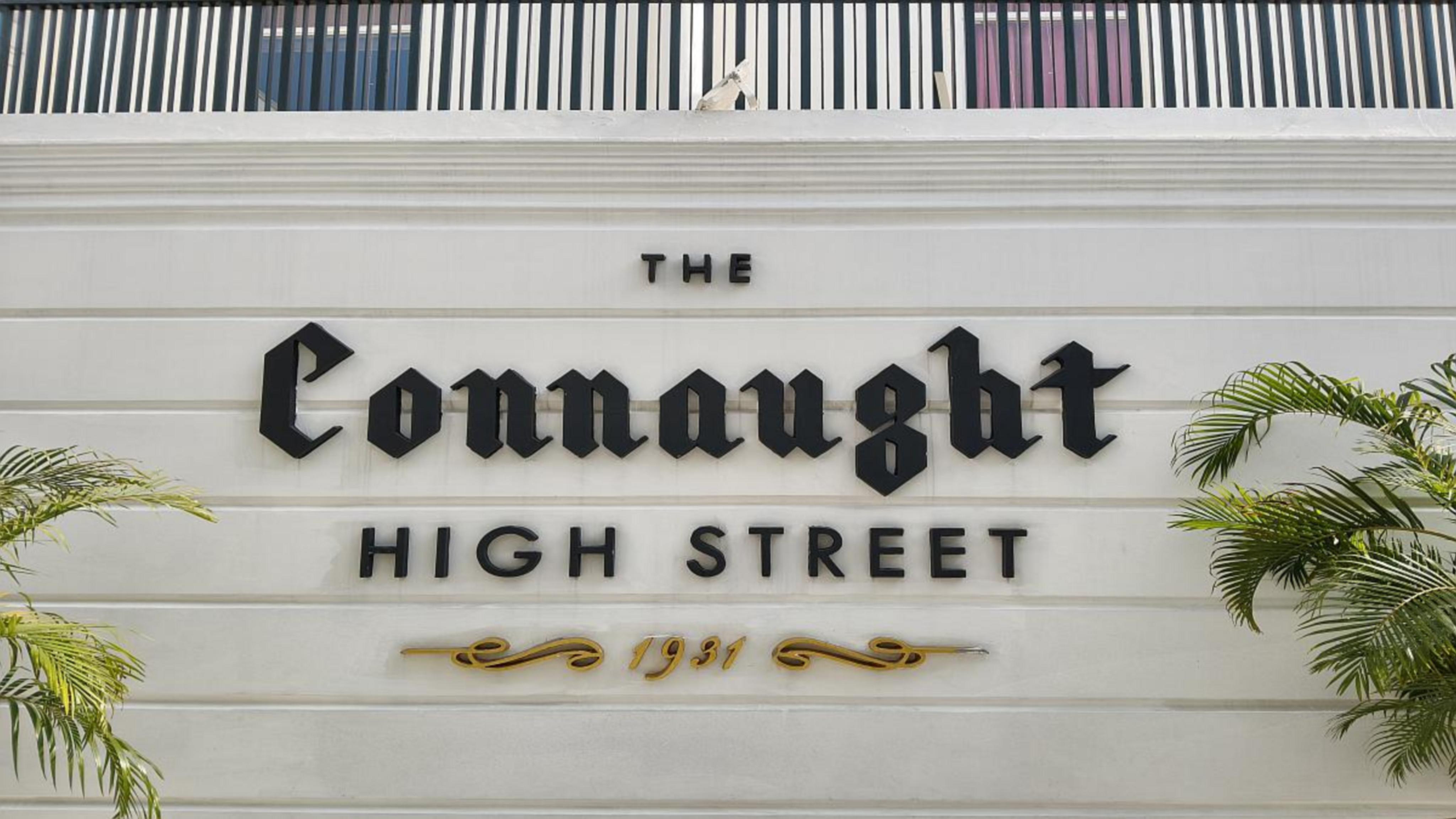

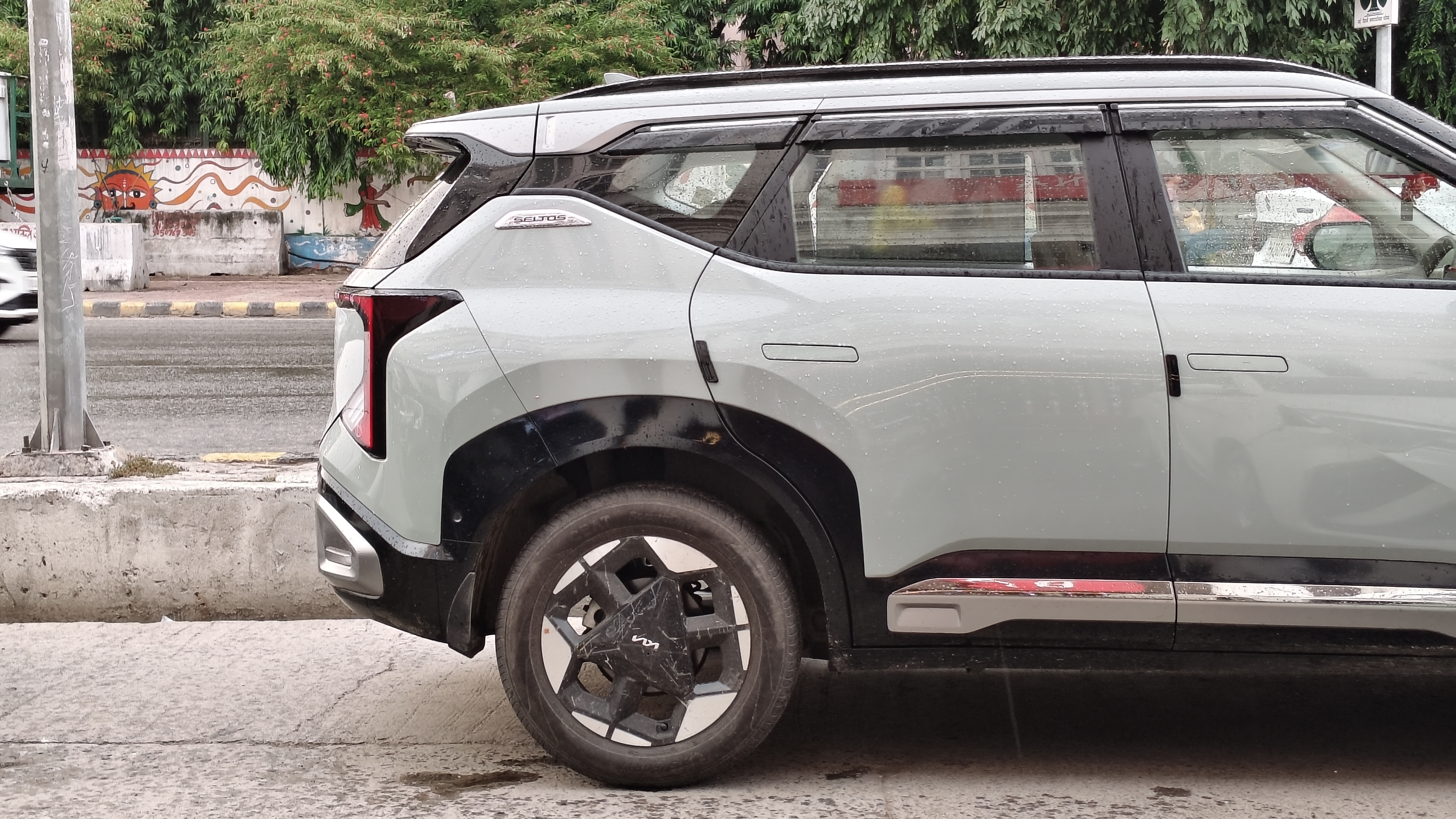

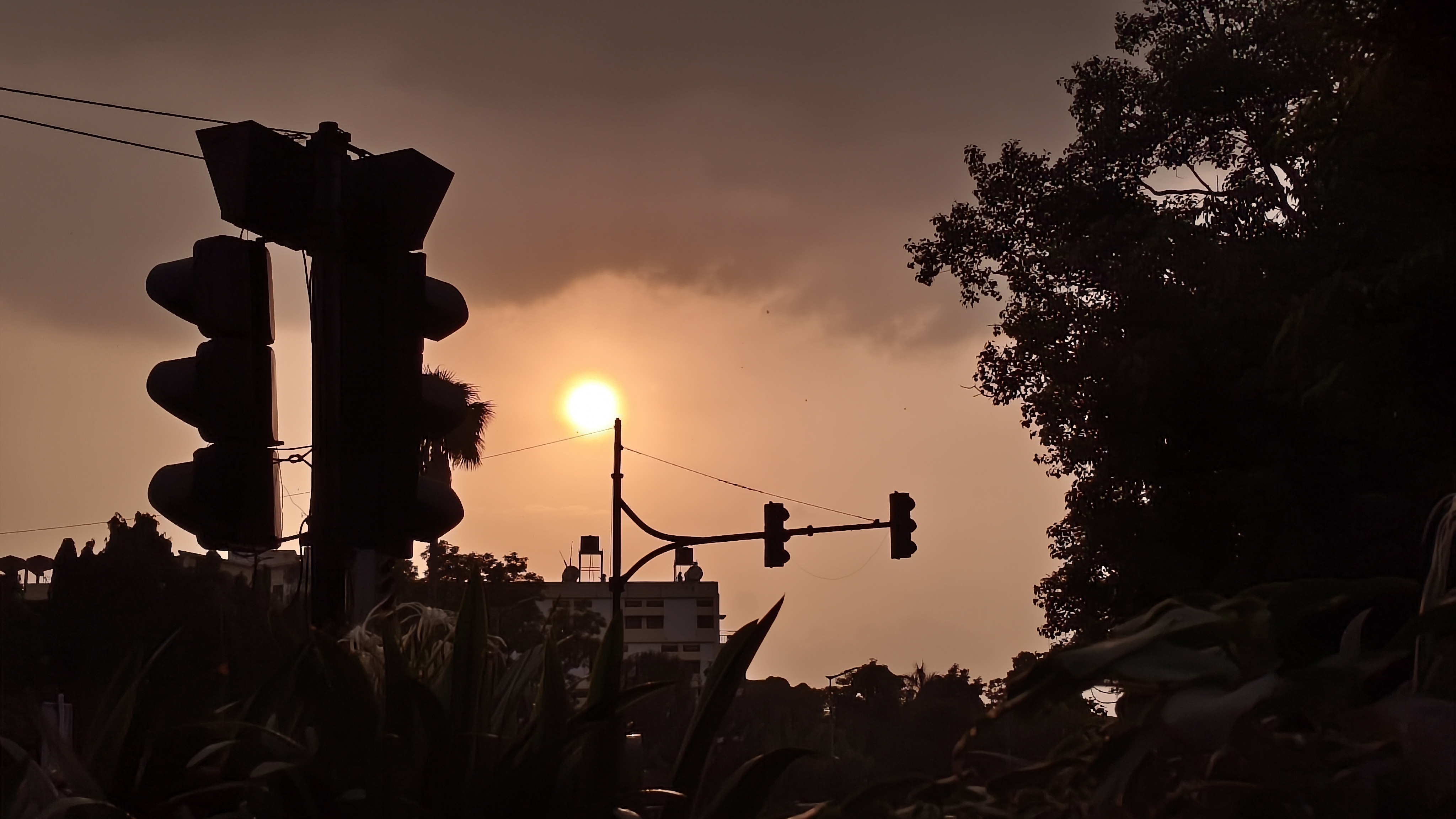
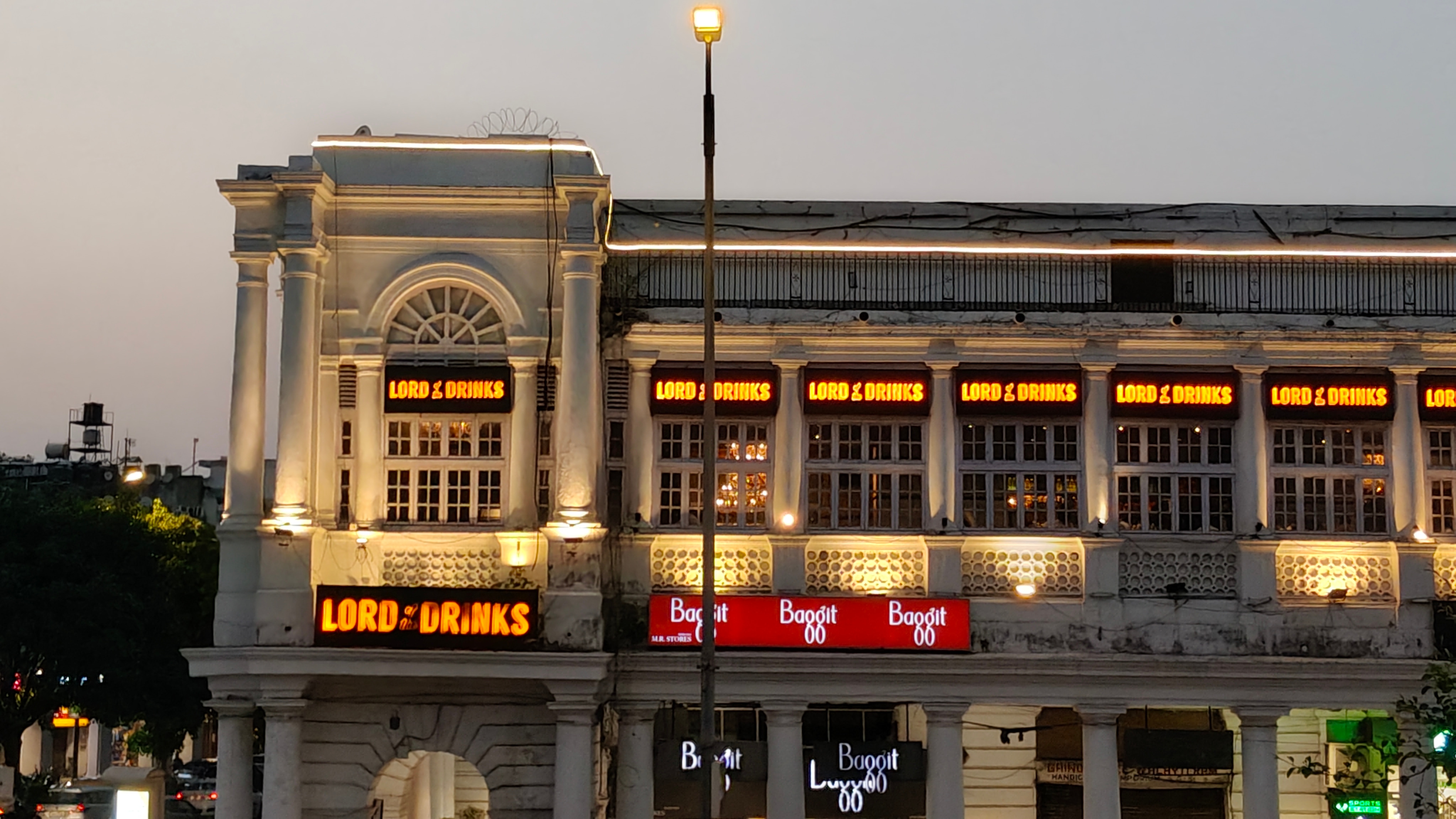
iQOO Z11 primary camera samples (tap to expand)
However, a few issues emerge on closer inspection. I noticed a slightly unusual oil-painting effect in images, both in daylight and low light. In such cases, the finer details appeared softer than they should. Low-light photography is also average. Noise starts creeping into darker scenes, and details become increasingly soft.
The iQOO Z11 does have one advantage over the Vivo S2 — an ultra-wide-angle camera. It makes the Z11 a more versatile handset on paper, and it is, to some extent.
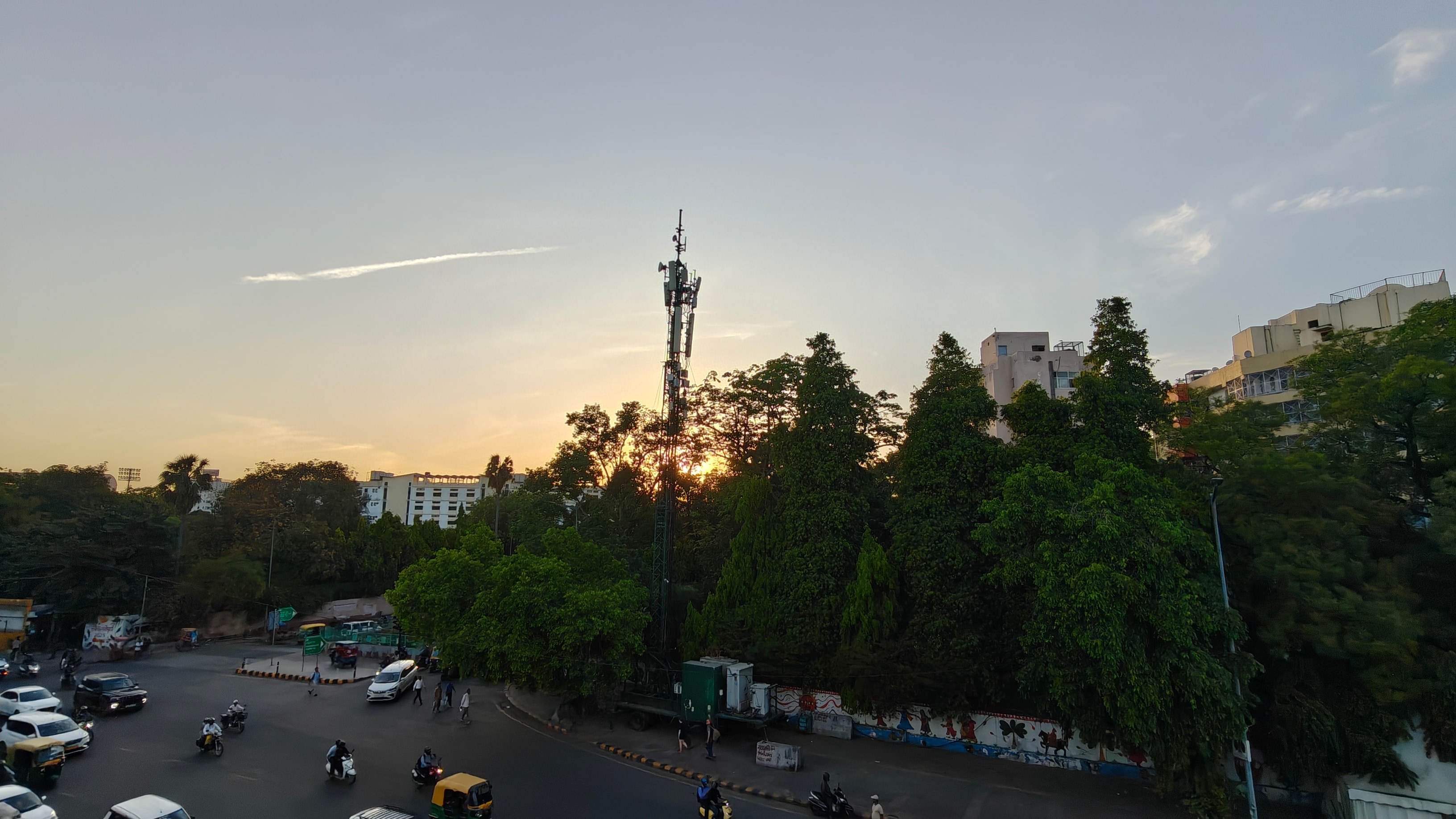
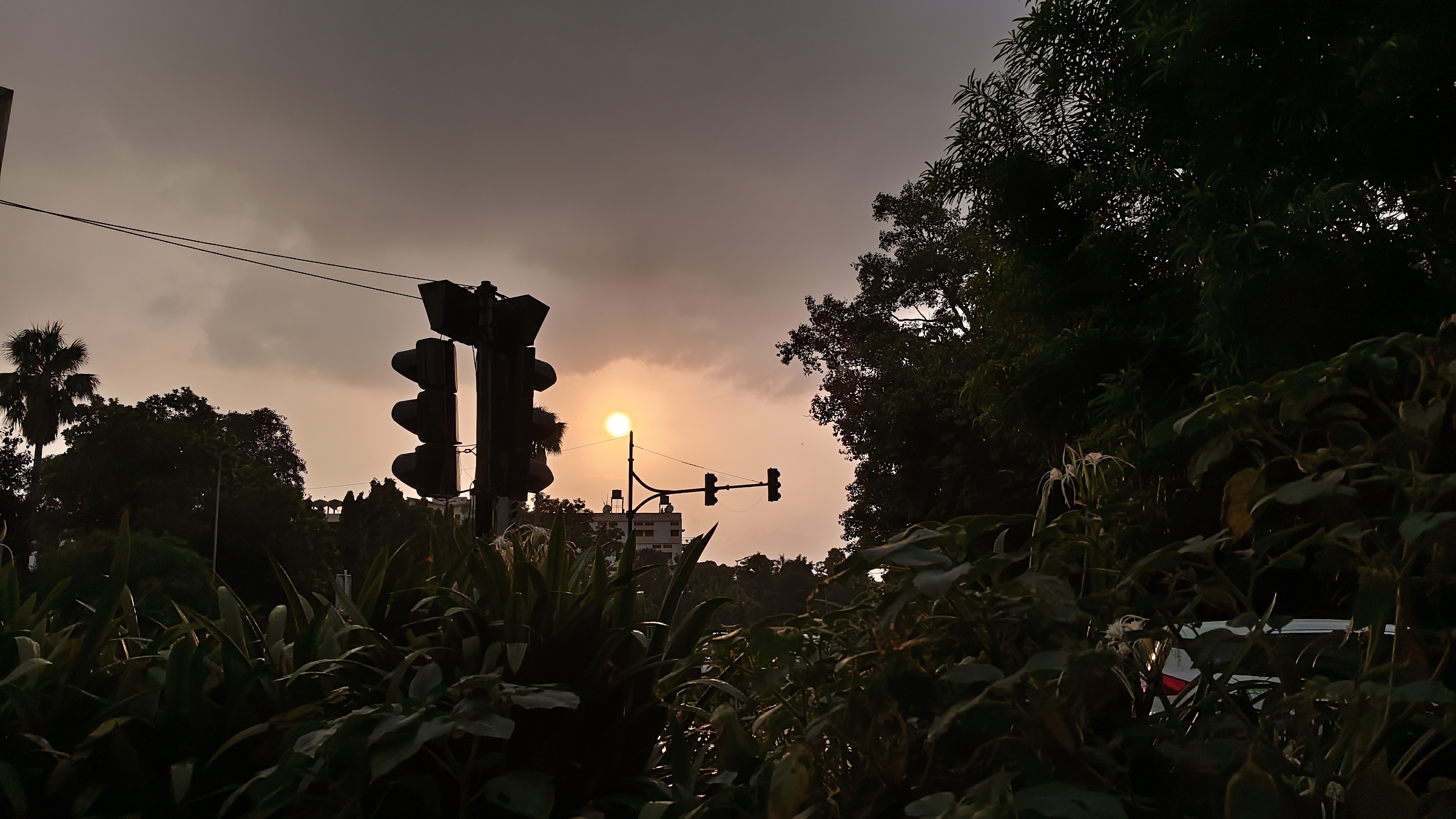


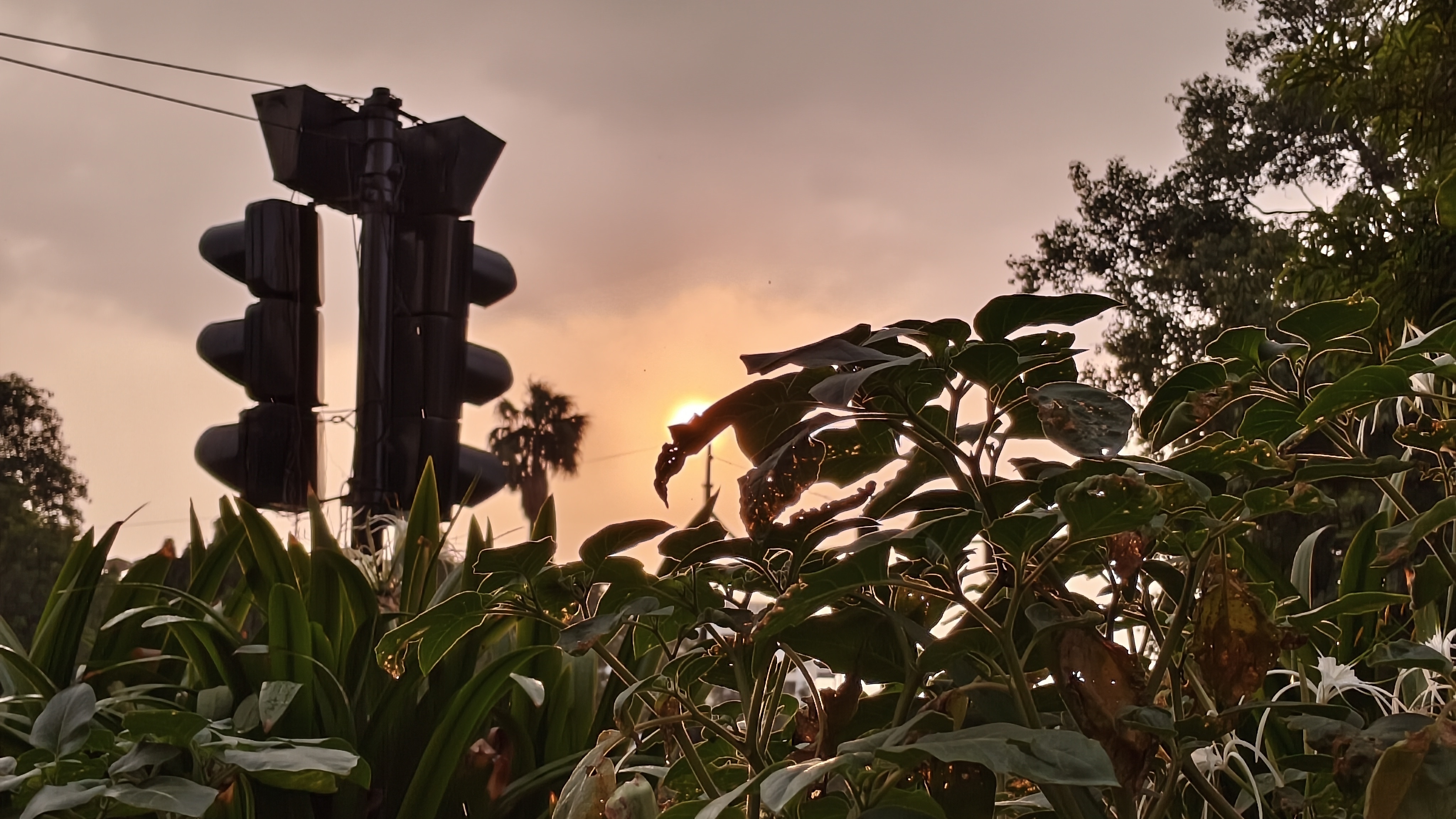
iQOO Z11 ultra-wide-angle and portrait camera samples (tap to expand)
While it’s a welcome addition, you lose a fair amount of detail, particularly in dimly lit conditions.
The selfie camera performs better. Skin tones are generally accurate, and the phone does not tend to overexpose or oversaturate faces.

iQOO Z11 selfie camera sample (tap to expand)
iQOO Z11 Battery Life: Better Than Its Sibling
- Battery Capacity – 7,050mAh
- Wired Charging – 44W
- Wireless Charging – No
- Included in the Box – Yes
Battery life is another area where I think the iQOO 11 edges ahead of the Vivo S2. On an average day, the handset comfortably lasted me for about a day and a half. This period included Instagram Reels, Google Maps navigation, multiple YouTube videos during lunch, YouTube Music playing throughout the day, and occasional golden-hour photo sessions.
Light users should be able to stretch it further to up to two days. That’s good, considering the hardware it packs and the display size.
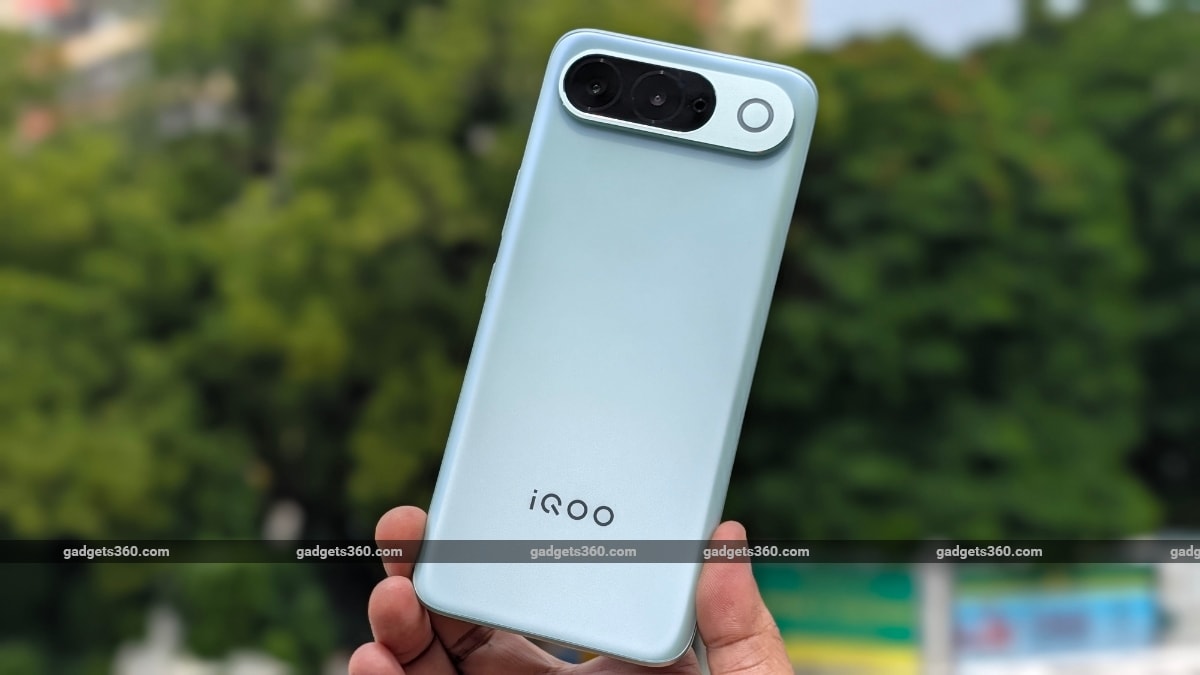
The phone is pretty sleek, despite its 7,000mAh-class battery capacity
The difference becomes more interesting when you look at our battery testing. The Vivo S2 lasted 16 hours and 58 minutes in PCMark’s Work 3.1 battery life test, while the iQOO Z11 managed a significantly longer 23 hours and 38 minutes. That is a substantial gap for two phones that are otherwise so closely related. iQOO has done a better job optimising the software-hardware combination than its sister brand.
Charging speeds, however, are just about average. The large battery takes around one hour and 32 minutes to go from zero to the fully charged notification, which isn’t particularly quick by current standards.
iQOO Z11 Verdict
The iQOO Z11 is the easier of the two sibling phones to recommend, but only by a small margin. It has a good display, dependable everyday performance, decent software support, and battery life that is clearly better optimised than what we experienced on the Vivo S2. The extra ultra-wide-angle camera also adds flexibility, even if the results are nothing to write home about.
There are still a few rough edges. The rear panel does not feel particularly premium, camera performance is fairly ordinary, and charging could have been faster, too.
If I had to choose between the two, I would pick the iQOO Z11. The difference is not night and day, though. Much of the decision will come down to pricing, because the two phones are otherwise cut from almost the same cloth.