


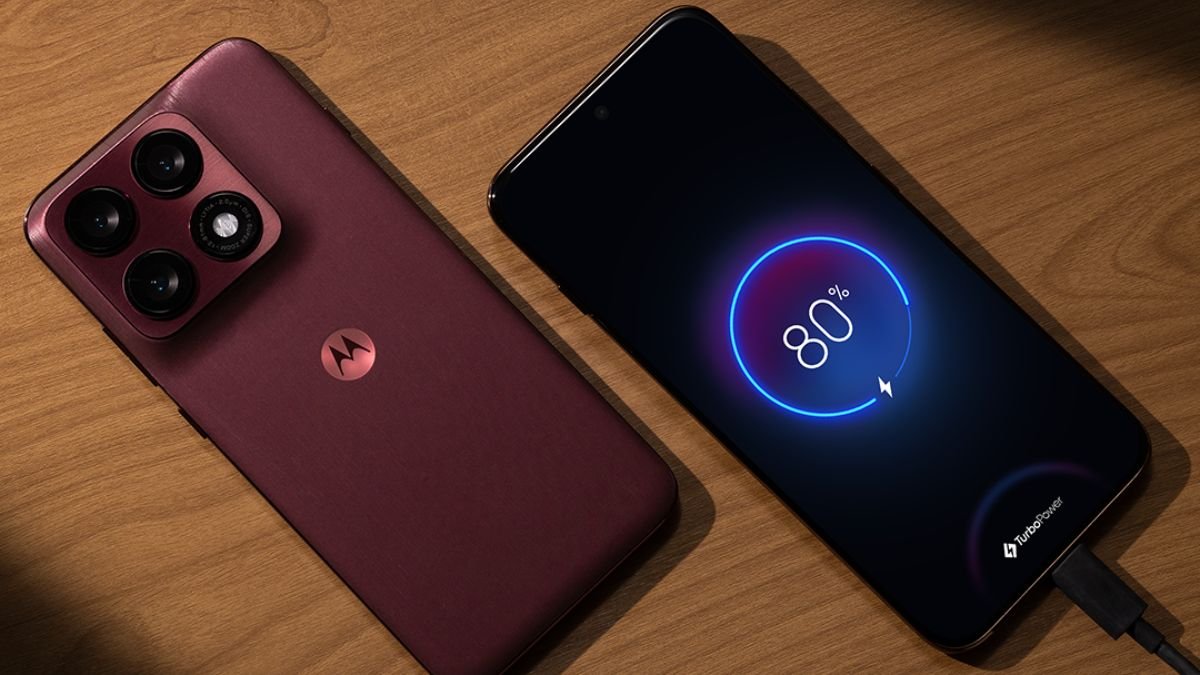
Buying a phone for good photography used to mean paying flagship prices. Not anymore. In 2026, some of the sharpest camera systems will be under the Rs. 40,000 bracket. We compared five of the most talked-about options to find the best camera phone under Rs. 40,000 for real Indian shooting conditions, daylight, low light, selfies, and zoom.
Key Takeaways
- When comparing the best camera phones under Rs. 40,000, it’s important to look at factors such as sensor quality, optical image stabilisation (OIS), lens versatility, autofocus, image processing, and video capabilities.
- The Motorola Edge 70 Pro delivers one of the most well-rounded camera systems in this segment, pairing a 50MP Sony LYTIA™ 710 sensor with OIS and motoAI with a 50MP ultrawide and a 50MP autofocus selfie camera. It also supports 4K 60 fps video recording across all cameras, Moto AI-powered image processing, and Pantone-validated colour calibration for true-to-life image quality.
- The Realme 16 Pro 5G has a 200MP main camera resolution with an 8MP ultrawide camera. Supports 4K 30 fps video recording.
- The Nothing Phone 3a Pro has a periscope telephoto lens that provides optical zoom.
- The Vivo V50 leans more into selfies with a 50MP Zeiss-tuned front camera, although its rear-camera versatility is limited.
Camera Specs at a Glance
Before comparing image quality, it’s worth looking at the camera hardware on paper. While specifications don’t tell the whole story, they provide a useful starting point for understanding each phone’s strengths, from sensor type and camera resolution to ultrawide and selfie camera capabilities.
The table below summarises the key camera specifications of all five smartphones for an at-a-glance comparison.
| Specification | Motorola Edge 70 Pro | Nothing Phone 3a Pro | Realme 16 Pro 5G | Vivo V50 | Samsung Galaxy A37 5G |
|---|---|---|---|---|---|
| Rear Camera Setup | 50MP Sony LYTIA™ 710 sensor with OIS and motoAI | 50MP main (OIS) | 200MP main (OIS) | 50MP Zeiss main (OIS) + 50MP ultrawide | 50MP main (OIS) |
| Front Camera | 50MP, AF, 4K video | 50MP, 4K video | 50MP, OIS PDAF, 4K video | 50MP Zeiss, AF | 12MP |
| Ultrawide Camera | 50MP, 122° field of view, 2.5cm macro support | 8MP ultrawide | 8MP ultrawide, 112° field of view | 50MP ultrawide, 119° field of view | 8MP ultrawide + 5MP macro |
| Processor | MediaTek Dimensity 8500 Extreme | Snapdragon 7s Gen 3 | MediaTek Dimensity 7300 Max | Snapdragon 7 Gen 3 | Exynos 1480 Octa Core Processor |
| Display | 6.8″ Extreme AMOLED, 144Hz, 5,200 nits | 6.77” 120Hz AMOLED Flexible LTPS, 3000 nits (peak) | 6.78″ AMOLED, 144Hz, 6,500 nits peak (APL) | 6.77″ FHD+ AMOLED, 120 Hz HDR10+, 4500 nits (peak) | 6.7” Super AMOLED |
| Operating System | Android™ 16 Hello UI | Android 15 | Android 16, Realme UI 7.0 | Android 15 | Android 16 One UI 8.5 |
| Price | ₹39,999 (8GB/256GB) | ₹31,999 (8GB/256GB) | ₹37,999 (8GB/128GB) | ₹34,999 (8GB/128GB) | ₹41,999 (8GB/128GB) |
The Best Camera Phones Under Rs. 40,000, Ranked
From flagship-grade camera sensors to advanced image processing and versatile camera systems, the phones below represent the strongest photography packages available under Rs. 40,000. Here’s how they compare and why each one deserves its place in our rankings.
Motorola Edge 70 Pro: The Most Consistent Camera in This Price Range
The Motorola Edge 70 Pro centres its camera system around an advanced 50MP Sony LYTIA™ 710 with optical image stabilisation (OIS), delivering sharp, steady photos across daylight and challenging low-light conditions.
Alongside it is a 50MP ultrawide camera that also functions as a macro lens, allowing detailed close-up shots without switching to a separate camera. Pantone-Validated colour and skin-tone tuning help produce more natural-looking colours and realistic skin tones.
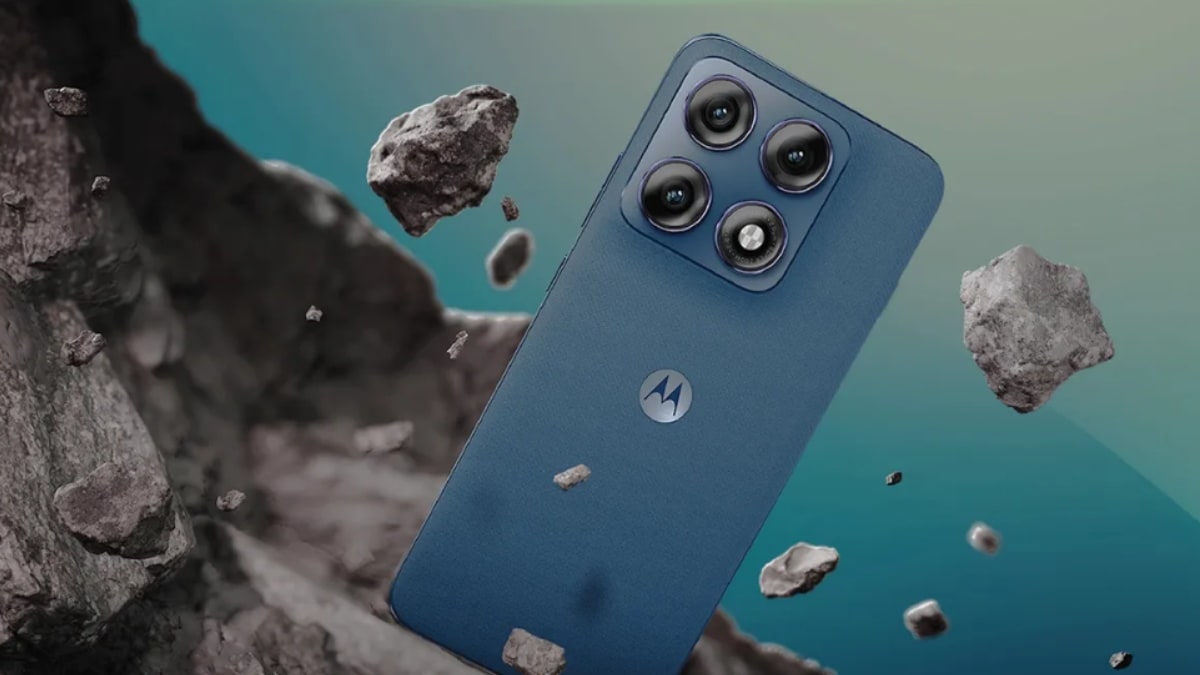
The camera experience is complemented by a high-quality pOLED display, a 50MP autofocus selfie camera with 4K video recording, and a large battery with fast charging support.
Add in IP68/IP69 water resistance and MIL-STD-810H durability, and the Edge 70 Pro offers one of the most well-rounded camera-focused smartphones under Rs. 40,000, balancing photography, display quality, battery life, and everyday durability.
| Spec | Motorola Edge 70 Pro |
|---|---|
| Rear camera | 50MP Sony LYTIA™ 710 (OIS) + 50MP ultrawide/macro, 4K 60 FPS |
| Front camera | 50MP, autofocus, 4K 60 fps video |
| Chipset | MediaTek Dimensity 8500 Extreme |
| Display | 6.8″ Extreme AMOLED, 144Hz, 5,200 nits |
| Battery | 6,500mAh, 90W charging |
| Durability | IP68/IP69, MIL-STD-810H, Gorilla Glass 7i |
| Memory | 12GB/8GB |
| Storage | 256GB |
Realme 16 Pro 5G: 200MP Main Camera, Ultrawide Falls Behind
The Realme 16 Pro 5G features a 200MP primary camera backed by the brand’s LumaColor algorithm. However, the secondary camera is an 8MP ultrawide with an f/2.2 aperture, creating a noticeable gap in image quality.
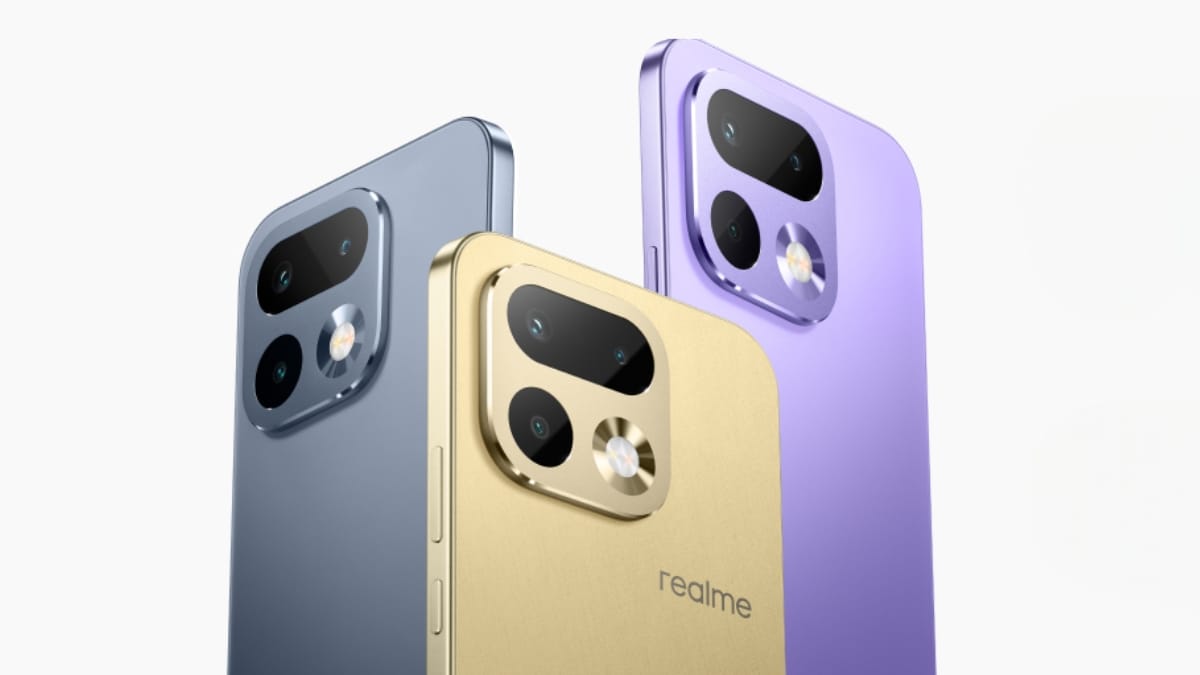
In low-light conditions, the high-resolution sensor relies more heavily on software processing to reduce noise and enhance brightness, as its smaller individual pixels capture less light than larger camera sensors. This can result in images that look brighter but may lose some fine detail or natural texture.
| Spec | Realme 16 Pro 5G |
|---|---|
| Rear camera | 200MP (OIS) + 8MP ultrawide |
| Front camera | 50MP |
| Chipset | MediaTek Dimensity 7300 Max |
| Battery | 7,000mAh, 80W charging |
| Memory | 12GB/8GB |
| Storage | 256GB |
Samsung Galaxy A37 5G: Reliable Sensor, Limited Versatility
The Galaxy A37 5G uses a 50MP main sensor with 1.0µm pixels and Samsung’s Nightography tuning for low-light shots, backed by a promise of six years of software updates.
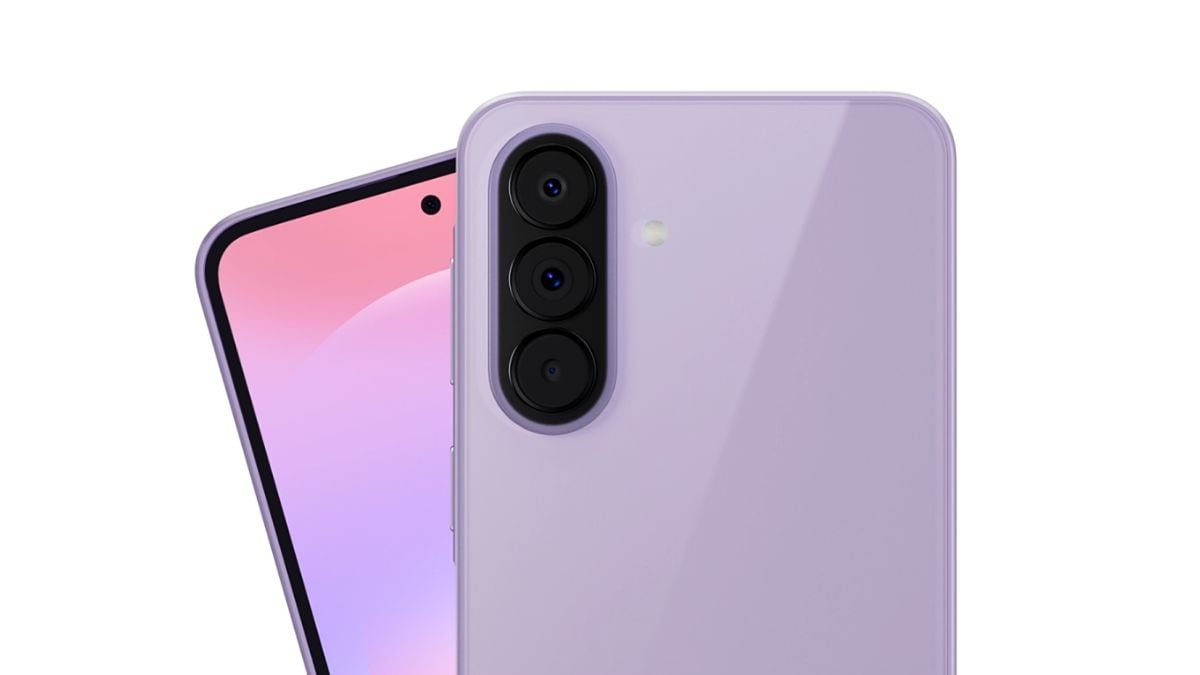
The camera hardware is relatively conservative compared to the other phones in this list. It includes an 8MP ultrawide camera and a 5MP macro lens, which offer limited practical use in everyday photography.
The front camera is also a 12MP sensor, whereas the other phones in this comparison feature 50MP selfie cameras. As a result, while the phone is capable of handling everyday photography, it offers less versatility.
| Spec | Samsung Galaxy A37 5G |
|---|---|
| Rear camera | 50MP (Nightography) + 8MP ultrawide + 5MP macro |
| Front camera | Selfie camera, Super HDR video |
| Chipset | Exynos 1480 |
| Battery | 5,000mAh |
| Memory | 12GB/8GB |
| Storage | 256GB |
Nothing Phone 3a Pro: Strong on Zoom, Inconsistent Elsewhere
The Nothing Phone 3a Pro features a 50MP periscope telephoto camera that provides 3x optical zoom for portraits and long-range photography.

But the rest of the camera system is less even. The ultrawide lens is only 8MP, so wide shots look noticeably softer than shots from the other two lenses.
The phone also carries an IP64 rating, which protects against dust and splashes but not against full water resistance, unlike the Motorola Edge 70 Pro.
| Spec | Nothing Phone 3a Pro |
|---|---|
| Rear camera | 50MP (OIS) + 50MP periscope (3x optical) + 8MP ultrawide |
| Front camera | 50MP |
| Chipset | Snapdragon 7s Gen 3 |
| Battery | 5,000mAh, 50W charging |
| Durability | IP64 |
| Memory | 8GB/12GB |
| Storage | 128GB/256GB |
Vivo V50: Great for Selfies, Average Behind the Main Camera
Vivo built the V50 around selfies and portraits. Its 50MP front camera uses Zeiss optics and Vivo’s AI Facial Contouring tech to reduce distortion often caused by wide-angle selfie cameras.

There’s no telephoto lens, and the rear camera setup is less convincing. Apart from selfies and portraits, the phone’s rear camera versatility falls behind the Edge 70 Pro’s matched dual-50MP setup.
| Spec | Vivo V50 |
|---|---|
| Rear camera | 50MP Zeiss (OIS) + 50MP ultrawide |
| Front camera | 50MP Zeiss, AI facial contouring |
| Chipset | Snapdragon 7 Gen 3 |
| Battery | 6,000mAh, 90W charging |
| Memory | 12GB/8GB |
| Storage | 256GB/512GB |
Which Phone Wins in Each Photography Scenario
Camera performance varies depending on what you’re shooting. Some phones prioritise detail in daylight, while others perform better in low light, portraits, selfies, or video. Here’s how each phone compares across the photography scenarios that matter most.
Daylight Photography
All five phones do fine in bright light, since good light hides most sensor weaknesses. The gap shows up the moment you switch lenses.
In this scenario, the Motorola Edge 70 Pro maintains more consistent image quality across both its 50MP main and 50MP ultrawide cameras, making lens switching less of a compromise.
It also incorporates a dedicated 3-in-1 light sensor that measures ambient lighting before each shot, automatically adjusting exposure, colour balance, and light sensitivity while helping minimise flicker under artificial lighting.
Low Light and Night Shots
Night photography depends on more than megapixels. Larger sensors, optical image stabilisation (OIS), and image processing all play a significant role.
The Sony LYTIA™ 710 sensor with OIS and Motorola’s imaging pipeline produce sharper handheld night shots while preserving more natural textures.
Motorola Edge 70 Pro excels in low-light and night photography thanks to its combination of sensor hardware, OIS, motoAI, and balanced image processing, making it one of the best camera phones for night photography under Rs. 40,000 in India in 2026.
The Samsung Galaxy A37 5G also performs reliably in low light with its OIS-equipped main camera, although its secondary cameras are less capable.
Portraits and Selfies
Portrait quality depends on accurate skin tones, natural background separation, and a capable front camera.
Motorola Edge 70 Pro ranks among the best selfie camera phone options under Rs. 40,000 in India, thanks to its 50MP cameras on both the front and rear, Pantone™ Validated Colour and Pantone™ SkinTone™ Validation, and multiple portrait focal lengths (24mm, 35mm, and 50mm), giving users greater flexibility when framing portraits.
Meanwhile, the Vivo V50 uses ZEISS colour tuning for portraits and pairs it with a 50MP autofocus selfie camera, making it well suited for front-facing photography.
The Motorola Edge 70 Pro offers greater versatility in the selfie experience thanks to its Quad Pixel Technology and 4k 60 fps frame rate.
Video Recording
When it comes to video recording, frame rate, stabilisation, autofocus, and front-camera quality all contribute to the overall experience. The Motorola Edge 70 Pro is the best Android camera phone that supports 4K HDR recording at up to 60 fps from all cameras, producing smoother footage during panning, walking, or when capturing fast-moving subjects.
It also includes features such as Horizon Lock, Adaptive Stabilisation, Audio Zoom, and Dual Capture. For creators, the 50MP autofocus front camera can also record in 4K, making it suitable for high-resolution selfie videos and vlogging. PANTONE colour validation delivers natural-looking colours and skin tones.
The Vivo V50 takes a different approach by focusing on front-camera quality. Its 50MP autofocus selfie camera helps maintain sharp focus while recording. ZEISS colour tuning also aims to deliver natural-looking skin tones. However, its rear camera recording is limited to 4K at 30 fps, whereas the Motorola offers 4K at 60 fps, resulting in smoother motion capture.
The Realme 16 Pro 5G supports 4K video recording at 30fps on both the front and rear cameras and includes electronic video stabilisation to reduce camera shake during handheld recording.
While this is sufficient for everyday videos, it lacks the higher frame rate and advanced video tools available on the Motorola Edge 70 Pro.
What Matters More Than Megapixels?
Many buyers compare smartphones based on megapixel count alone, but that’s only one part of the camera system. Understanding how sensors, lenses, and image processing work together makes it easier to judge why one phone consistently captures better photos than another.
Sensor Quality Beats Resolution
According to DXOMARK, a higher megapixel count doesn’t automatically mean better photos. What usually matters more is pixel size; bigger pixels catch more light, which helps in dim rooms or at night.
Camera performance depends on several factors, including sensor size, light-gathering capability, lens quality, optical image stabilisation (OIS), and image processing. Larger sensors typically capture more light, which helps reduce noise and preserve detail in low-light scenes.
That’s why a well-optimised 50MP camera, such as the Sony LYTIA™ 710 used in the Motorola Edge 70 Pro, is better than the Realme 16 Pro 5G’s 200MP sensor.
Software Processing Makes the Biggest Difference
Every phone here uses some form of AI processing to clean up noise, balance exposure, and sharpen detail. Motorola’s Photo Enhancement Engine works across all three of its cameras, not just the main one, which is part of why its ultrawide shots hold up as well as its main camera shots. This makes it the best AI camera phone under Rs. 40,000 in India.
The Importance of a Good Ultrawide and Telephoto Camera
Three of the five phones here, Realme, Samsung, and Nothing, pair their main camera with an 8MP ultrawide lens. That’s a big step down in quality, and it means your wide shots simply won’t match your main-camera shots.
Only the Motorola Edge 70 Pro and Vivo V50 use a full 50MP ultrawide sensor, keeping quality consistent across lenses.
Which Camera Phone Offers the Most Complete Package?
When you add it all up, a matched 50MP main and ultrawide pair, OIS, Pantone-validated colour, a bright 144Hz display, and IP68/IP69 durability, the Motorola Edge 70 Pro comes out as the most complete camera phone under Rs. 40,000 right now. It doesn’t win every single category, but it’s the only phone here without a clear weak point in its camera system.
Verdict: Choosing the Best Camera Phone Under Rs. 40,000
If photography is your main reason for buying a phone, the Motorola Edge 70 Pro is the safest pick. It’s the only phone in this group that doesn’t make you compromise the moment you switch from the main camera to the ultrawide.
The Realme 16 Pro 5G is worth a look if you only care about daylight detail. The Nothing Phone 3a Pro is the one to pick if zoom matters most to you. And choose the Vivo V50 if selfies are your priority.
But for a camera phone that stays consistent across lighting, lenses, and everyday use, the Motorola Edge 70 Pro is the best camera phone under Rs. 40,000 you can buy in India right now.
Frequently Asked Questions
1. Which is the Best Camera Phone Under 40K in India Right Now?
The Motorola Edge 70 Pro is the strongest all-around pick. It pairs a 50MP main camera with a matching 50MP ultrawide, so photo quality stays consistent across lenses, unlike most phones in this price range that pair a strong main camera with a much weaker 8MP ultrawide.
2. Is a 200MP Camera Better Than a 50MP Camera?
Not necessarily. Megapixel count is only one part of image quality. Pixel size, lens quality, and processing usually matter more. The Realme 16 Pro 5G’s 200MP main sensor is sharp in daylight, but its 8MP ultrawide camera shows that a high-resolution main sensor doesn’t fix a weak supporting camera.
3. Which Phone Under Rs. 40,000 Has the Best Ultrawide Camera?
The Motorola Edge 70 Pro is the best camera phone of 2026, featuring a 50MP ultrawide camera that also doubles as a macro lens. Most phones in this price range use an 8MP ultrawide sensor, which captures noticeably less detail.
4. Which Phone Under Rs. 40,000 Is Best for Portraits and Selfies?
The Vivo V50 has a genuinely strong 50MP Zeiss-tuned selfie camera built specifically for portraits. The Motorola Edge 70 Pro is close behind, with a 50MP autofocus front camera and multiple portrait focal lengths, making it the more versatile option if you also care about rear-camera portraits. It is the best phone with 4K 60fps on front camera under Rs. 40,000.
5. Which Phone Under Rs. 40,000 shoots the best low-light video?
The Motorola Edge 70 Pro, thanks to optical image stabilisation on its main camera and adaptive stabilisation tools built into its camera software, which help reduce shake in handheld night footage.