


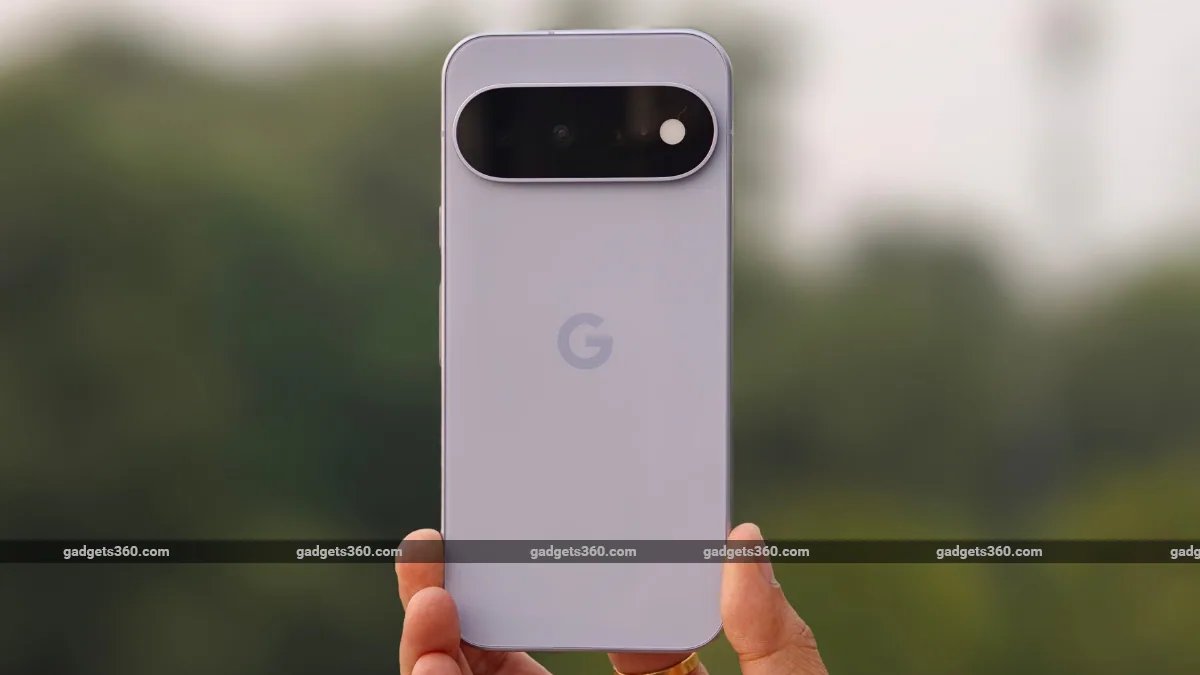
If you’ve looked at any Pixel over the past few generations, you already know Google’s playbook: AI runs the show and hardware plays second fiddle. Thus, buying a Pixel has meant buying directly into Google’s AI vision. The standard Pixel 11 doubles down on that philosophy and carries that torch forward, even though it skips the extravagant camera hardware and spec-sheet flexing reserved for its Pro siblings. Instead, it takes the familiar Pixel formula, which is clean software, computational photography, and a distinctive design with AI layered on top.
The Google Pixel 11 starts at Rs. 89,999 in India. The question here is simple: is Google’s AI-first pitch compelling enough on its own, or does the base flagship cut a few too many corners?
Google Pixel 11 Design: Still Instantly Recognisable
- Dimensions: 152.8 x 72 x 8.6mm
- Weight: 197g
- Colours: Frost, Pistachio, Hibiscus, Obsidian
- Protection: IP68
A Pixel is generally recognisable from a mile off, at least from the back. Google has stuck with that long, pill-shaped camera bar for several generations now, and the Pixel 11 continues the tradition. However, there are a few small changes. The camera bar is thinner this time and uses an all-glass construction. While it wobbles slightly on a flat surface, slapping a case on should easily solve that.
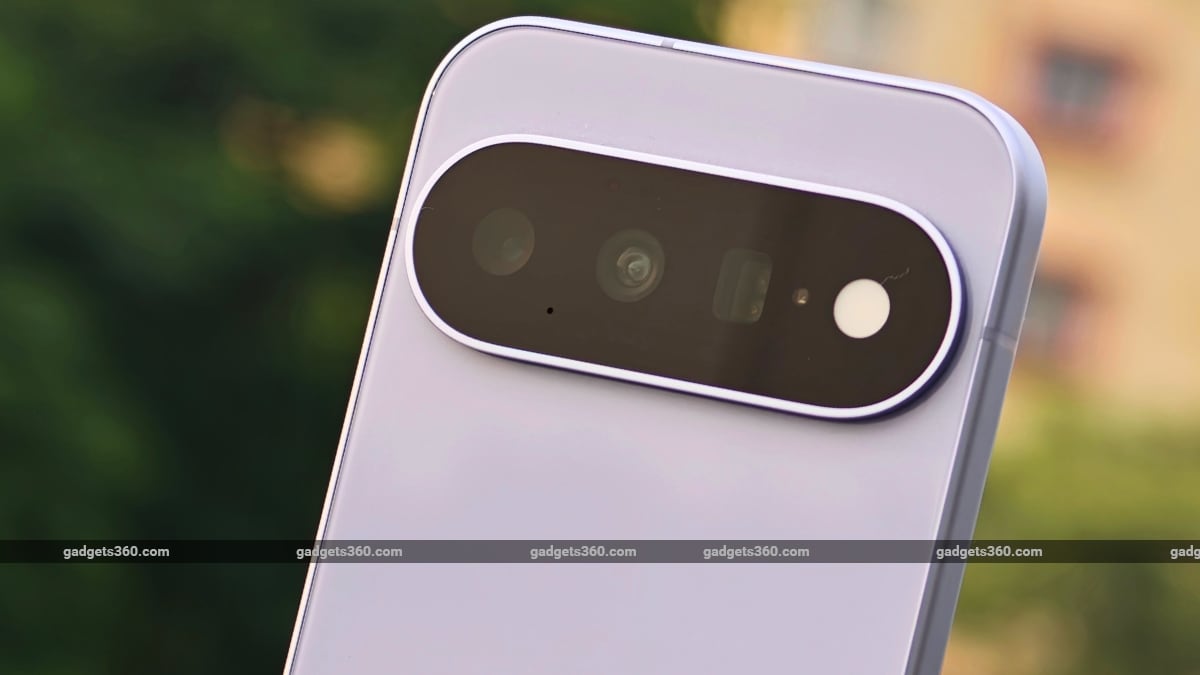
The camera bar has a slightly new design this year, but nothing major has changed
On paper, 197g weight makes the phone noticeably heavier than rivals like the iPhone 17 and Galaxy S26. In the hand, though, the story is slightly different. The weight distribution is quite nice. It feels reassuring rather than bottom-heavy or cumbersome like the Pro XL. The rounded corners pair well with the softened edges, which I think improves ergonomics.
I have the Frost variant of the Google Pixel 11, and it looks better in person than I initially expected. The finish is fairly understated. You get a satin-textured aluminium frame that contrasts with the glossy glass rear. While the company has introduced a few more playful colour options this time, the Obsidian shade remains my favourite.
On durability, the Pixel 11 uses Gorilla Glass Victus 2 on the front and rear, while the aluminium frame and IP68 rating are protections you would expect at this price.
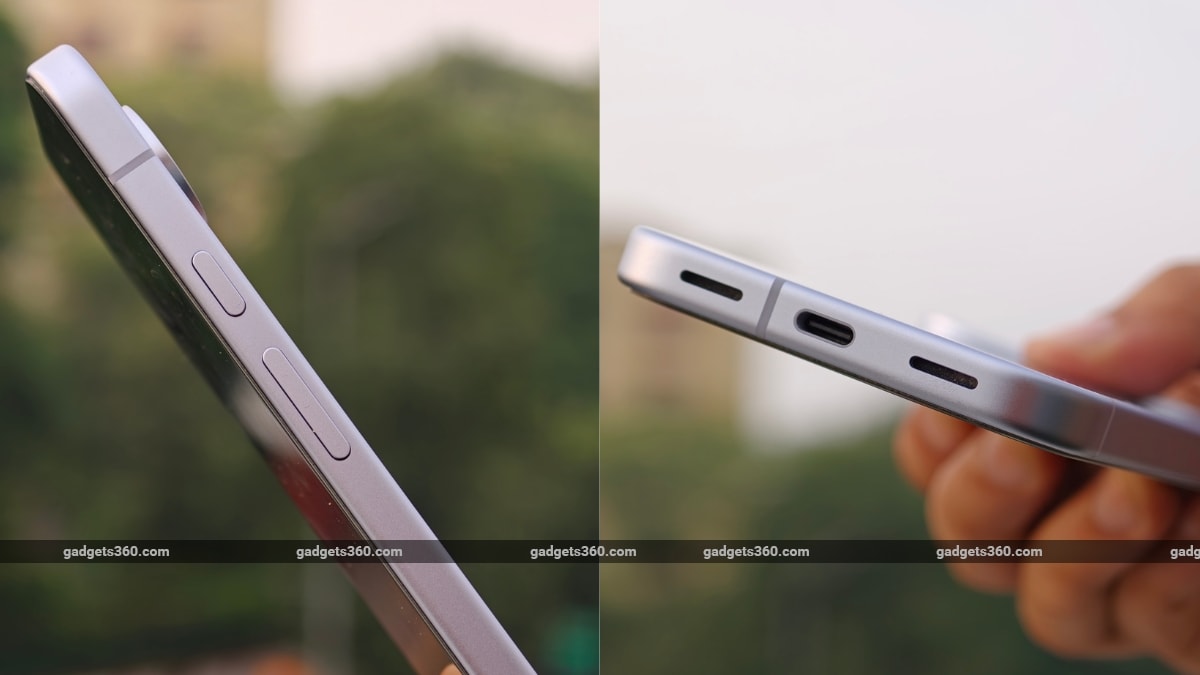
Ports and buttons have a similar placement on the Pixel 11 as previous generations
One thing it doesn’t get is Google’s new HiLight feature, which is reserved for the Pro models. Honestly, I don’t think I miss it. The feature is still limited in what it can do, and I’d rather Google focus on the things I use every day.
Interestingly, the base Pixel 11 does not get Google’s latest HiLight feature. But I can safely say I don’t miss it. The feature feels like an odd addition to Google’s lineup since it only works when the phone is placed face-down and is restricted to just a couple of functions. With Google allegedly confirming that it won’t open up support for third-party apps, I don’t think it would be wrong to call it useless.
Google Pixel 11 Display: Good, But Not Quite Pro
- Size and resolution – 6.3-inch Actua display, 1,080 x 2,424 pixels
- Refresh rate – 120Hz
- Protection – Corning Gorilla Glass Victus 2
The Pixel 11’s display is essentially the same as its predecessor. This is both good and slightly disappointing. The 6.3-inch OLED panel displays text that looks sharp and punchy colours. As such, watching videos on Netflix, Crunchyroll, and YouTube is a pleasant experience.
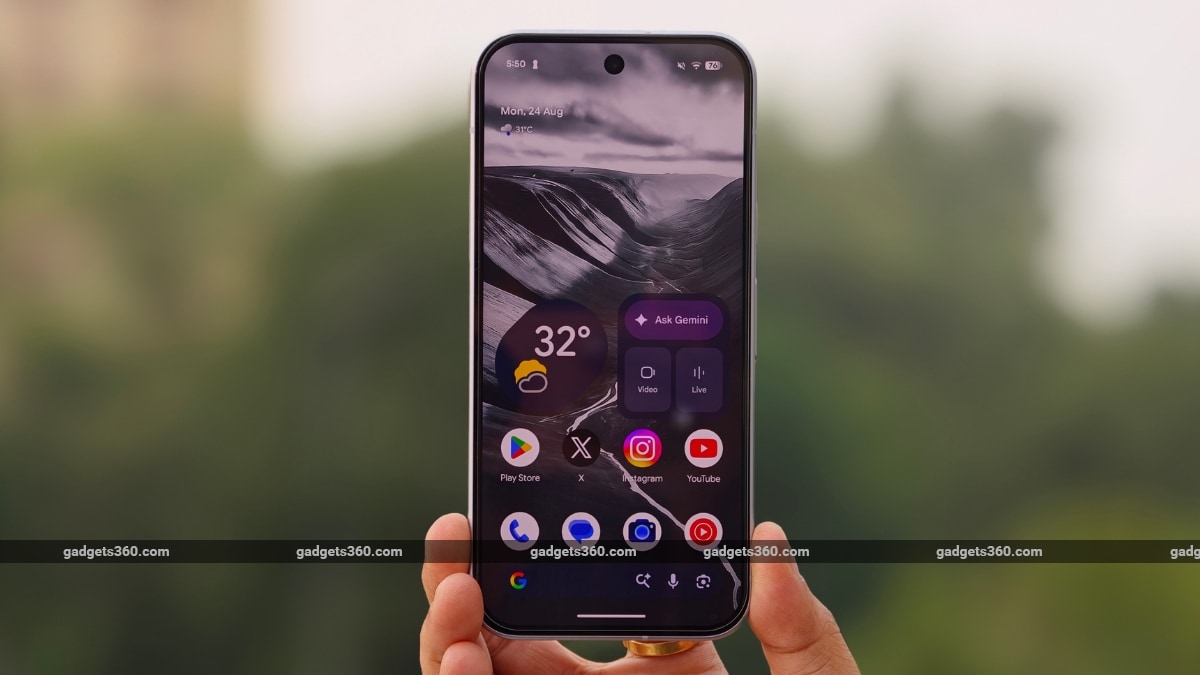
Google has once again not changed anything about the display
Like its predecessor, Google’s latest smartphone lacks an LTPO variable refresh-rate display. This means the screen switches between 60Hz and 120Hz rather than dynamically dropping as low as 1Hz. The Pro models, on the other hand, do get the more advanced panel technology. Also, the panel defaults to 60Hz, so you need to manually toggle the higher refresh rate in the phone’s settings.
Brightness is good enough for everyday use. Google claims up to 3,000 nits, and I never found myself squinting at the display outdoors. One thing I did notice was the bezels, which are considerably thicker than those on any of its rival flagships. It is something Google should improve.
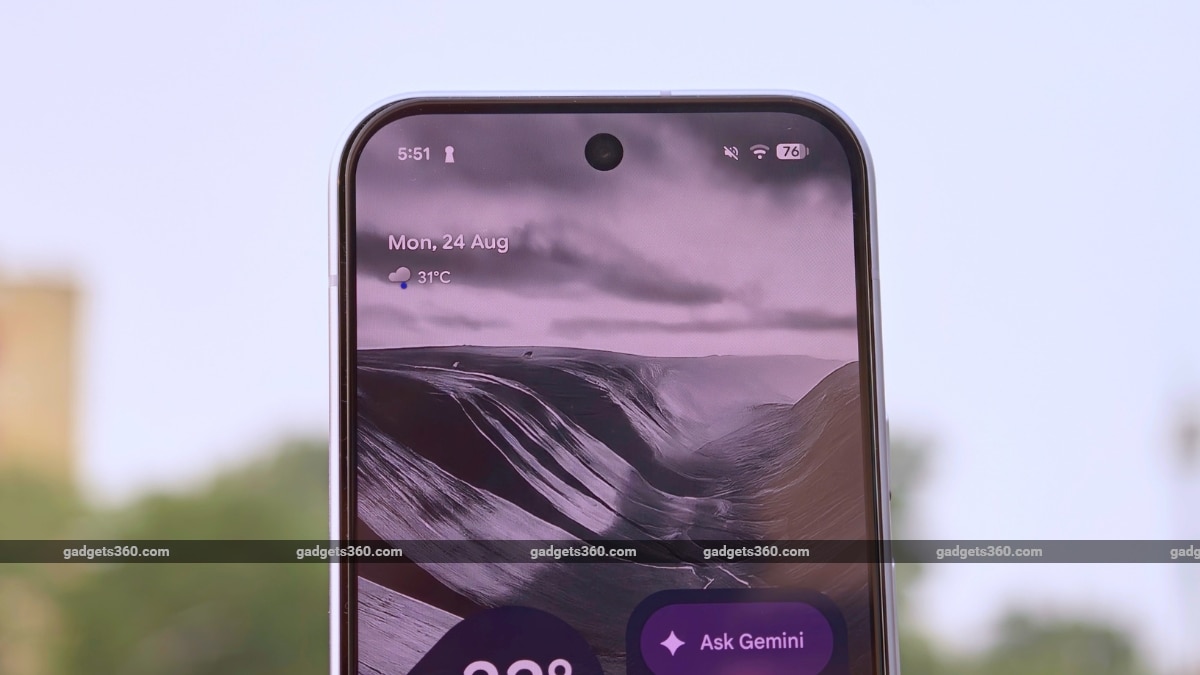
The Pixel 11’s bezels are among the few sore points of what is otherwise a good display
The fingerprint sensor is quick and reliable. However, I do have a problem with Google’s Face Unlock and facial authentication feature on Android phones in general. They are still far behind Apple’s Face ID for one simple reason: they don’t work in the dark.
Google Pixel 11 Performance and Software: AI Takes Centre Stage
- Processor – Google Tensor G6 (3nm)
- Memory – 12GB (RAM), Up to 512GB (Storage)
- Software – Android 17
- Updates Promised – Up to 7 Years of OS updates
Google’s new Tensor G6 powers its entire flagship lineup. On paper, it seems designed to make the Pixel smarter. Google claims improvements in browsing, app loading, and power efficiency. In normal usage, the Pixel 11 feels as quick as any other flagship phone out there. Apps open quickly, and scrolling is smooth. I had no trouble juggling everyday apps.
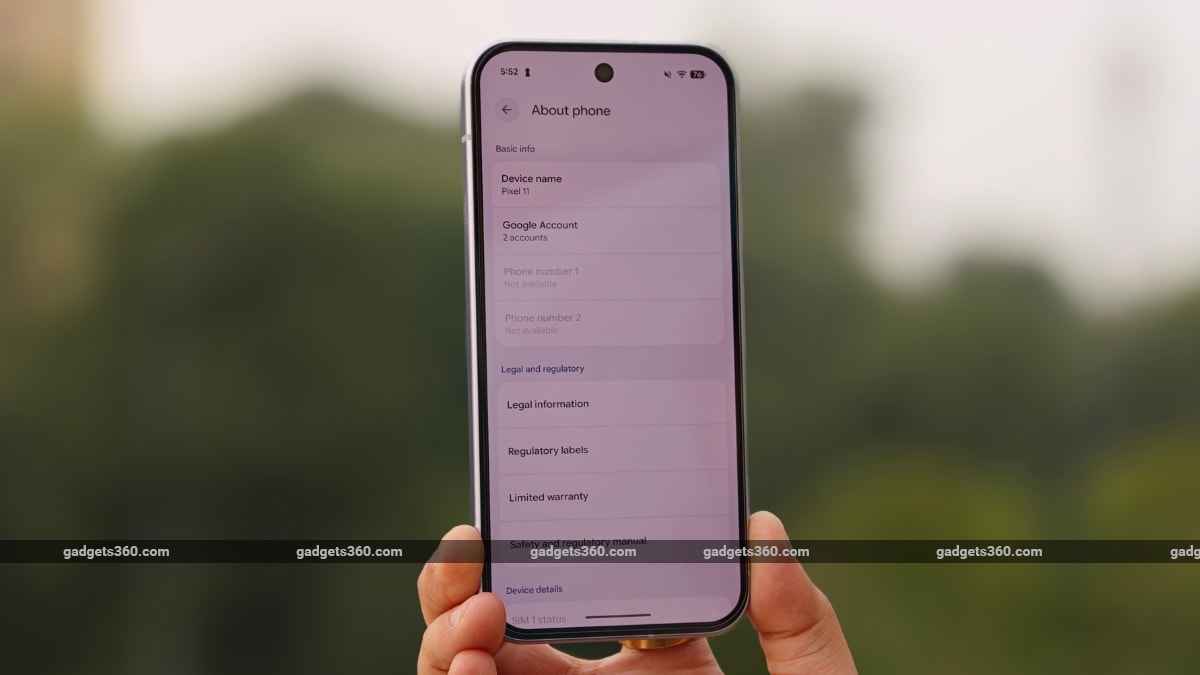
Pixel 11 gets Google’s all new flagship Tensor chip under the hood
Gaming, however, is where the Pixel 11 reminds you that despite all the promised upgrades, Tensor still struggles to compete head-on with Qualcomm’s best chips. I tried Genshin Impact, Bright Memory Infinite, and Tomb Raider, and the experience varied quite a bit depending on the game.
Genshin Impact was the biggest problem — the game doesn’t properly support the PowerVR GPU, and the entire screen turned pink when I tried running it, making the game practically unplayable. Bright Memory Infinite and Tomb Raider performed slightly better, but both stuttered when I pushed the graphics settings higher. This clearly shows the Pixel 11 isn’t the phone I would pick for heavy, graphics-intensive titles. It also gets warm during long gaming sessions.
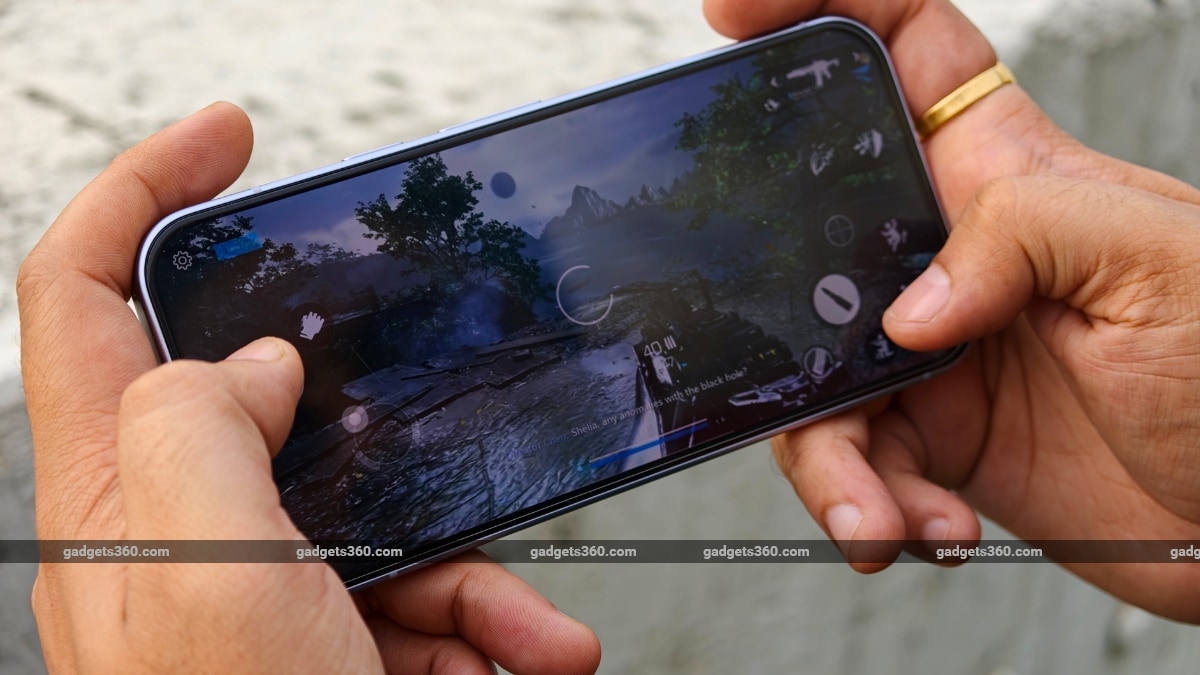
While you can run AAA titles like Bright Memory Infinite, the experience isn’t as great compared to rival flagships
Benchmark numbers don’t really flatter the Pixel 11 either. It practically ranked below all of the main flagships in various synthetic benchmarks.
| Benchmark | Google Pixel 11 | Google Pixel 10 | iPhone 17 | Samsung Galaxy S26 |
|---|---|---|---|---|
| Display Resolution | Super Actua | Super Actua | Super Retina XDR | Dynamic AMOLED 2X |
| Chipset | Tensor G6 (3nm) | Tensor G5 (3nm) | A19 (3nm) | Exynos 2600 (2nm) |
| AnTuTu v10/11 | 13,62,277 | 10,60,808 | 21,80,307 | 25,62,813 |
| PCMark Work Performance 3.0 | 17,117 | 16,538 | FTR | 18,785 |
| Geekbench 6 CPU Single Core | 2,705 | 2,080 | 3,501 | 2,888 |
| Geekbench 6 CPU Multi Core | 7,212 | 4,687 | 9,006 | 10,325 |
| Geekbench AI CPU (Quantized) | 3,756 | NA | NA | 3,202 |
| Geekbench AI GPU (Quantized) | 746 | NA | NA | 2,870 |
| 3DM Wild Life | Maxed Out! | Maxed Out! | Maxed Out! | Maxed Out! |
| 3DM Wild Life Unlimited | 14,285 | NA | 20246 | 20,280 |
| 3DM Steel Nomad Light | 1,150 | NA | NA | 2,486 |
Then, what is the reason to consider a Pixel? It’s simple, a pure Android experience. Android 17 on the Pixel 11 is clean and cohesive. Google’s apps, widgets, icons, and system interface all follow the same visual language. There are no visually cluttering skins on top, no bloatware at all.
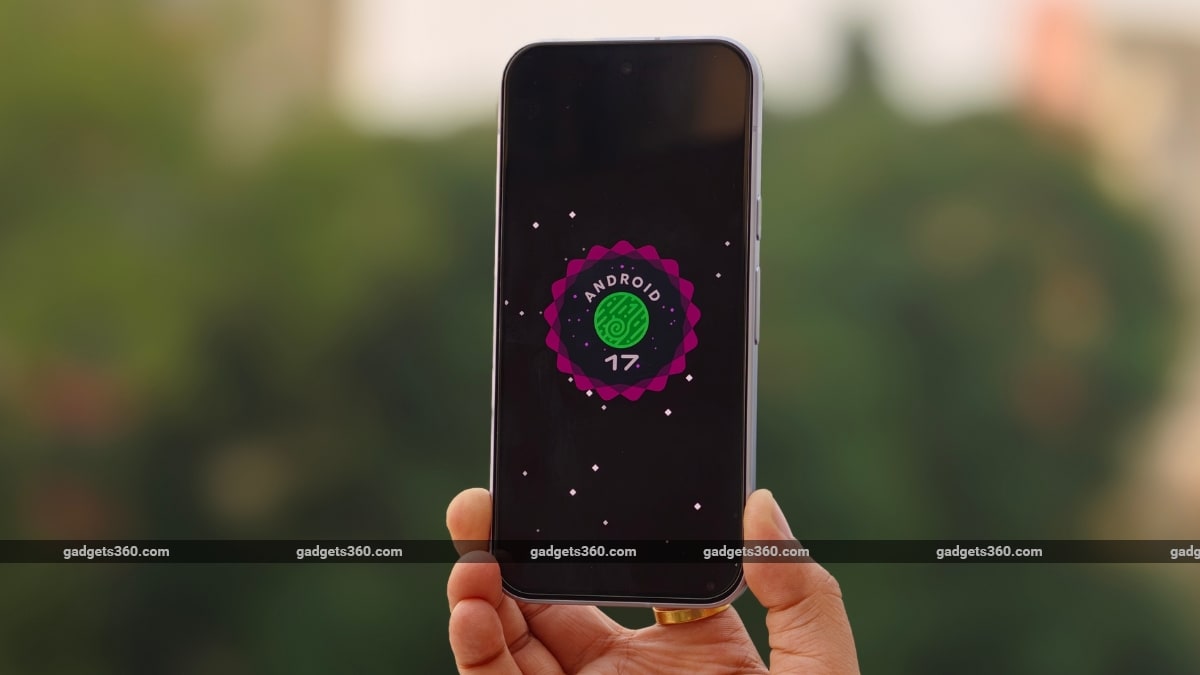
Pixel 11 is among the few devices currently in the market that ship with Android 17 out of the box
And then there is Gemini.
Instead of treating AI as another app you open when you remember it exists, the experience is deeply integrated. Among this year’s highlighted features is Rambler, which can improve voice-to-text by cleaning up filler words and allowing more conversational dictation. Gemini can also surface useful information from Messages and Gmail, while Circle to Search can now work directly from the camera viewfinder.
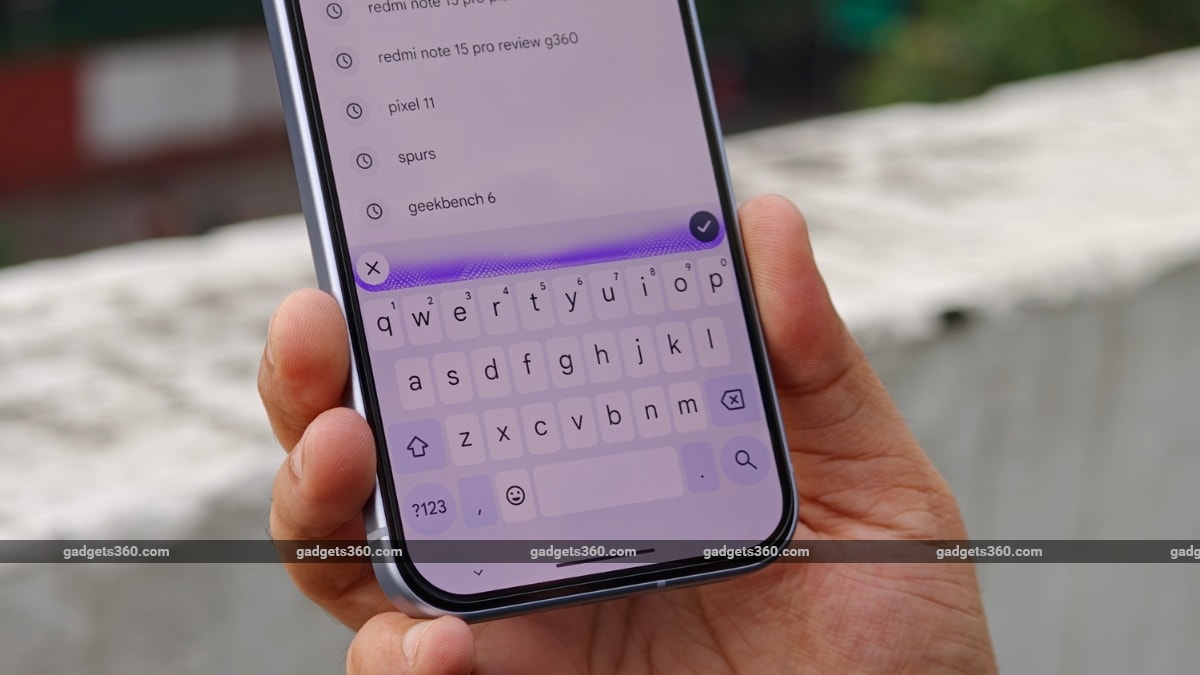
Google’s new Rambler feature works in tandem with Gboard
Google has pushed AI into quite a few parts of the Pixel 11 experience this time. A notable feature is Rambler, which essentially strips out filler words for smoother, conversational voice dictation. Gemini can now also pull contextual details directly from your Messages and Gmail, which helps when you need to plan an invite or draft an email.
A few of these tools did solve real, everyday problems for me; the rest felt like Google showing off tech demos simply because it can. That distinction is crucial, in my opinion, as utility can quickly drown in gimmickry, and AI can quickly become noise when you have too many features fighting for attention.
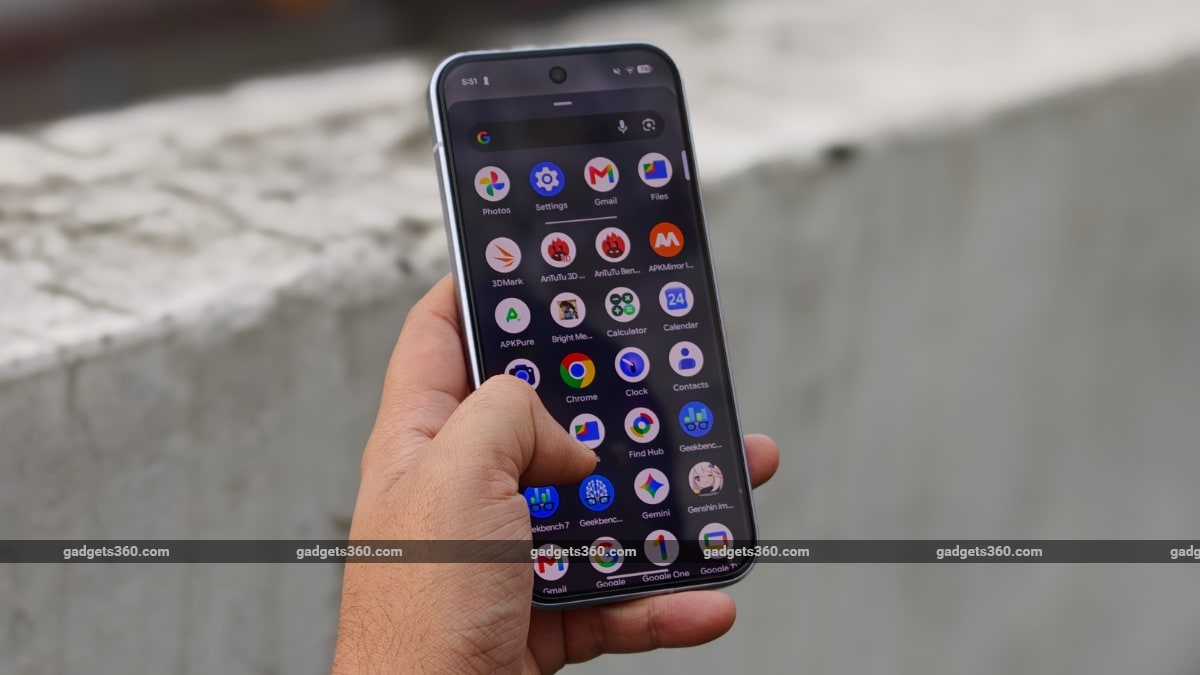
Pixel’s speciality has been the OS experience, and Google latest flagship continues that legacy
Google’s long-term software support remains one of the Pixel 11’s biggest advantages. The phone gets seven years of OS and security updates, alongside regular Pixel Drop feature updates.
Google Pixel 11 Cameras: Still the Main Event
- Rear – 48-megapixel (primary) + 10.8-megapixel (telephoto) + 13-megapixel (ultra-wide-angle)
- Front – 10.5-megapixel
Beyond software, the camera is another reason people buy a Pixel. The Pixel 11’s triple camera setup carries the same torch, simply because there’s nothing new.
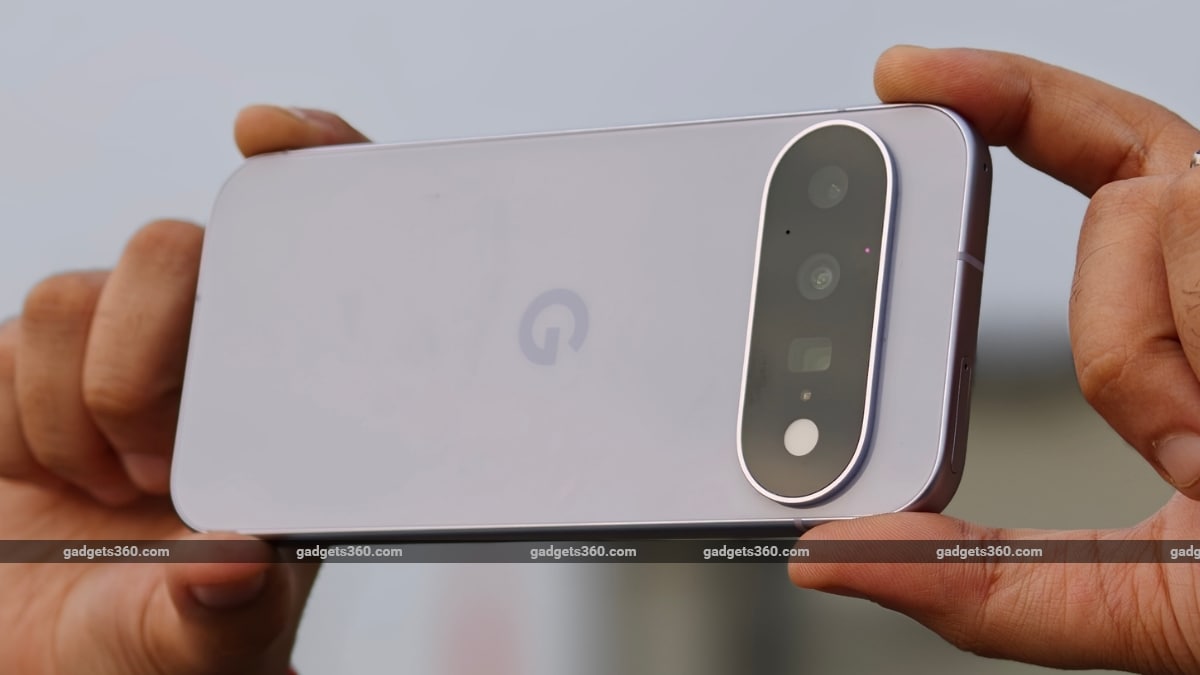
Pixel 11’s camera setup is virtually unchanged compared to last year, except for a larger sensor
As usual with Pixel phones, the point-and-shoot experience is excellent, so much so that I didn’t have to think much about exposure or colours before taking a photograph. I was impressed by the 48-megapixel primary camera. It handles daylight shots with great detail, sharpness, and excellent dynamic range. The white balance remains mostly neutral across different lighting conditions, which means you get nice colours in photos and videos.
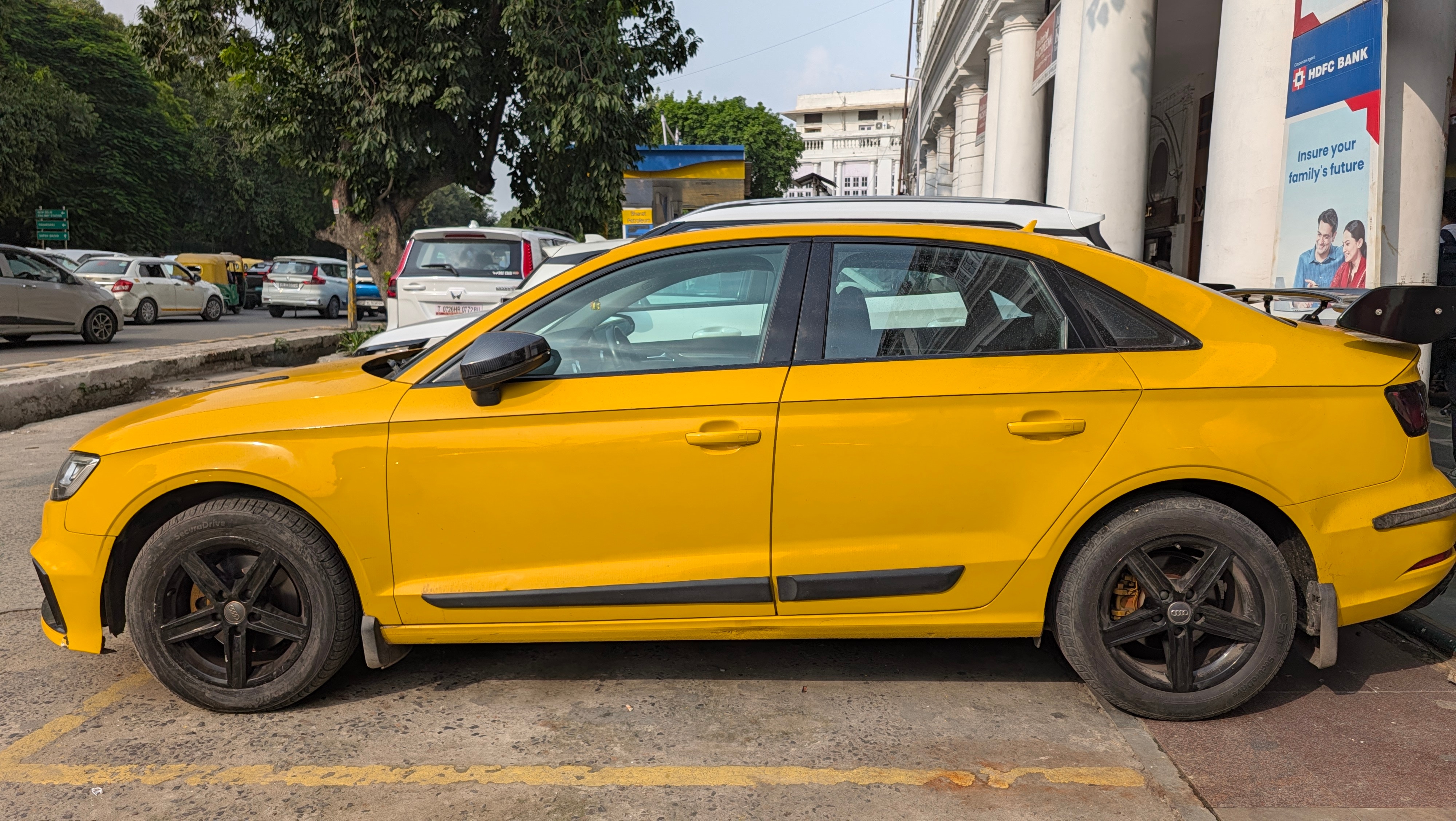





Google Pixel 11 primary camera samples (tap to expand)
The telephoto camera is also highly capable. Shots captured at 2x have great detail, with clear separation between the subject and the background. However, I did have a slightly hard time getting the autofocus to work right every time. Its 5x zoom capability, meanwhile, is useful when you want to frame a distant subject.







Pixel 11 2x and 5x telephoto camera samples (tap to expand)
Google has also upgraded the zoom capability from 20x to 30x, although it emphasises that details won’t be generated out of thin air. So far, that has turned out to be accurate.




Pixel 11 30x zoom camera samples (tap to expand)
I don’t find myself reaching for the ultra-wide particularly often. But it produces images with decent detail and solid colourways. However, it isn’t comparable to the primary sensor.

Pixel 11 ultra-wide-angle camera samples (tap to expand)
The Pixel 11 once again retains the multi-generation-old selfie sensor, and the overall results are identical. You can get good shots when taken in decent lighting. Google’s computational photography also works well in low light.


Pixel 11 selfie camera samples (tap to expand)
While the hardware is practically unchanged, a couple of nifty software features stand out. For example, Camera Looks lets you change an image’s character before you shoot it. Meanwhile, Magic Capture can record video and select still photographs at the same time, which I genuinely found useful on a couple of occasions.
Google Pixel 11 Battery Life: Better, But Still a Daily Charger
- Battery: 4,985mAh
- Wired charging: 30W
- Wireless charging: 25W Qi2
- Charger in box: No
Battery life has generally been average on Pixels. This year, Google bumped up the Pixel 11’s battery capacity only slightly, and it has a noticeable effect. I used the phone as my daily driver, using Android Auto, watching videos on YouTube, scrolling through social media, and making calls and sending messages. The Pixel 11 lasted till late evening and required a charge at night. I got between six and seven hours of screen-on time.
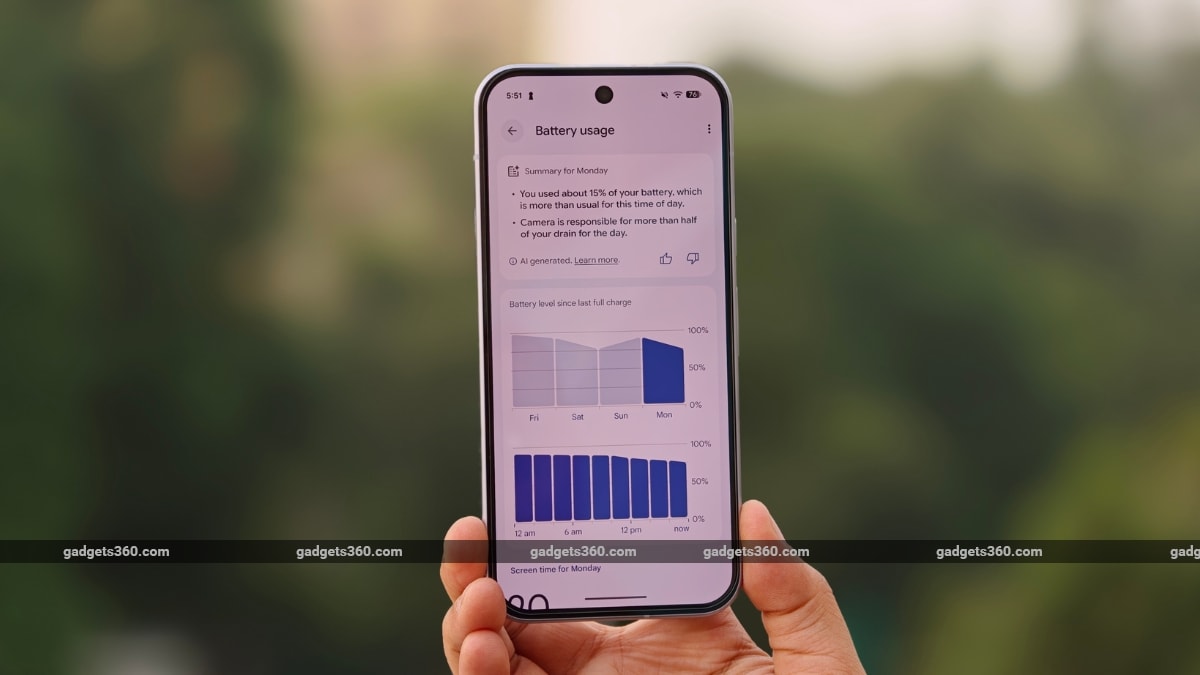
Google’s latest flagship somewhat improves upon the battery life of the Pixel 10
It is by no means a two-day phone, and daily charging will probably remain the norm.
Charging speeds are also conservative. They’re now on par with Apple and Google, but nowhere near the capabilities of Chinese flagships. It takes about an hour and 35 minutes to charge from 0 percent till the fully charged notification appears. The more interesting addition is 25W Qi2 wireless charging, a much more convenient way to top up the phone than the Pixel 10’s 15W.
Google Pixel 11 Verdict
In recent years, the Pixel has been transitioned from a phone with a really, really good camera to something closer to a showcase for Google’s software and AI ecosystem. The Pixel 11 not only continues this approach but is probably its most cohesive expression yet.
The hardware itself is familiar, from the display to the cameras. The design is simply a refinement; its battery won’t last you multiple days, and the Tensor G6 chip remains a curious proposition. However, things start making a lot more sense when you use the Pixel 11 as Google intends. The clean Android experience, excellent cameras, useful AI tools, long software support, and compact form factor all come together nicely.
At a starting price of Rs. 89,999, Google’s latest flagship faces brutal competition. It is definitely not a phone for you if you want the fastest processor, the brightest display, or the quickest charging. But it is the ideal choice for those who value the Pixel experience. This is, ultimately, Pixel 11’s biggest strength and its biggest limitation. It is very much a Google phone.