


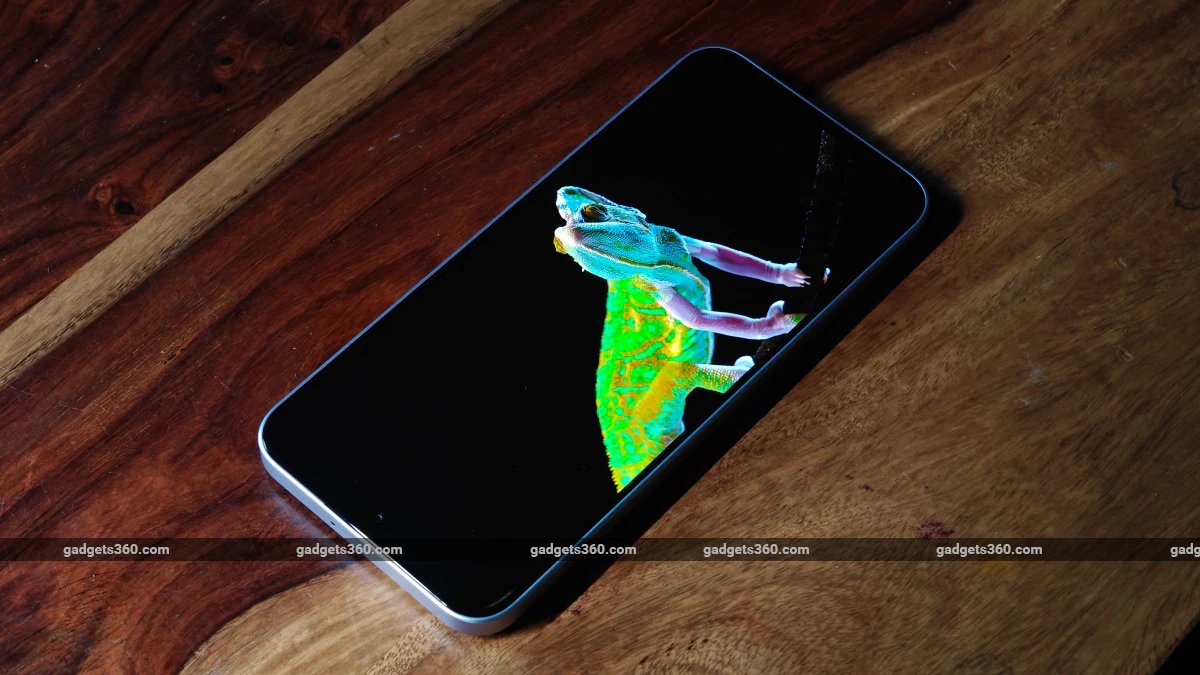
Buying a new phone is no longer just about choosing the screen size or resolution. You will also come across terms such as OLED, AMOLED and LCD, each referring to a different display technology. They can all produce sharp and colourful images, but they differ in how they produce light, handle black levels, brightness and power consumption. Price and durability can also vary between phones using these panels. Understanding these differences can make it easier to choose the right display for your needs. Here is how OLED, AMOLED and LCD phone displays compare.
AMOLED vs OLED vs LCD: How They Work
OLED stands for Organic Light-Emitting Diode. In an OLED display, each pixel produces its own light when an electric current passes through it. This removes the need for a separate backlight and lets the screen control each pixel on its own, including switching individual pixels off to show black.
Meanwhile, AMOLED stands for Active Matrix Organic Light-Emitting Diode. It works on the same basic principle as OLED, but uses an active-matrix system to control the pixels. This allows the screen to manage many pixels quickly and is why AMOLED is widely used in modern smartphone displays.
LCD, on the other hand, stands for Liquid Crystal Display. Unlike OLED and AMOLED, an LCD panel cannot produce light by itself. It uses a backlight behind a layer of liquid crystals, which controls how much light passes through each part of the screen. Colour filters then produce the colours that make up the image.
AMOLED vs OLED vs LCD: Key Differences
The main difference is how each display creates light. OLED and AMOLED screens light up each pixel individually, while LCD screens use a backlight behind the pixels. With OLED-based displays, a pixel can switch off completely when showing black, producing deeper blacks and stronger contrast.
OLED and AMOLED screens can also offer wider viewing angles and allow manufacturers to make thinner phones. LCD panels can still deliver good brightness and colour, particularly when the display is well tuned.
Also note that OLED and AMOLED are not two completely different technologies. AMOLED is a type of OLED that uses an active-matrix system to control the pixels. This is why the term AMOLED is common in smartphone specifications.
Power use can also vary between them. OLED and AMOLED screens can save power when displaying darker content because black pixels can switch off. However, brightness, refresh rate, screen size and how you use the phone also affect battery consumption.
AMOLED vs OLED vs LCD: Price and Longevity
LCD phones are usually found in more affordable models, while OLED and AMOLED screens are more common on mid-range and premium phones. They cost more, but they can offer deeper blacks, stronger contrast and thinner designs.
One thing to keep in mind with OLED and AMOLED screens is burn-in. If the same static elements stay on the screen for a very long time, they can leave a permanent mark. Phones use features such as pixel shifting and software controls to reduce the risk. LCD screens do not have the same burn-in issue, although their backlights can wear out over time.
AMOLED vs OLED vs LCD: Which Phone Display Should You Choose?
If you want deeper blacks, stronger contrast and a more premium-looking screen, OLED or AMOLED is usually the better choice. They are especially good for watching films, looking at photos and using dark mode.
When choosing between OLED and AMOLED, the name itself matters less than the panel quality. Check the brightness, refresh rate, resolution, colour accuracy and HDR support instead.
LCD can still be a good choice if you want to keep the phone affordable. A good LCD can look sharp and bright without adding as much to the phone’s cost.
So, don’t choose a phone based only on whether it says OLED, AMOLED or LCD. Look at the full display specifications before making your decision.
FAQs
Is AMOLED better than OLED?
AMOLED is a type of OLED display that uses active-matrix technology. In smartphones, AMOLED panels can offer the same key OLED advantages, including deep blacks and high contrast.
Is OLED better than LCD?
OLED generally offers deeper blacks, stronger contrast and wider viewing angles than LCD because each pixel produces its own light. LCD can still provide good image quality at a lower price.
Which phone display is best for battery life?
OLED and AMOLED displays can be more power-efficient when showing darker content because individual pixels can switch off. Actual battery life also depends on brightness, refresh rate and other phone hardware.