


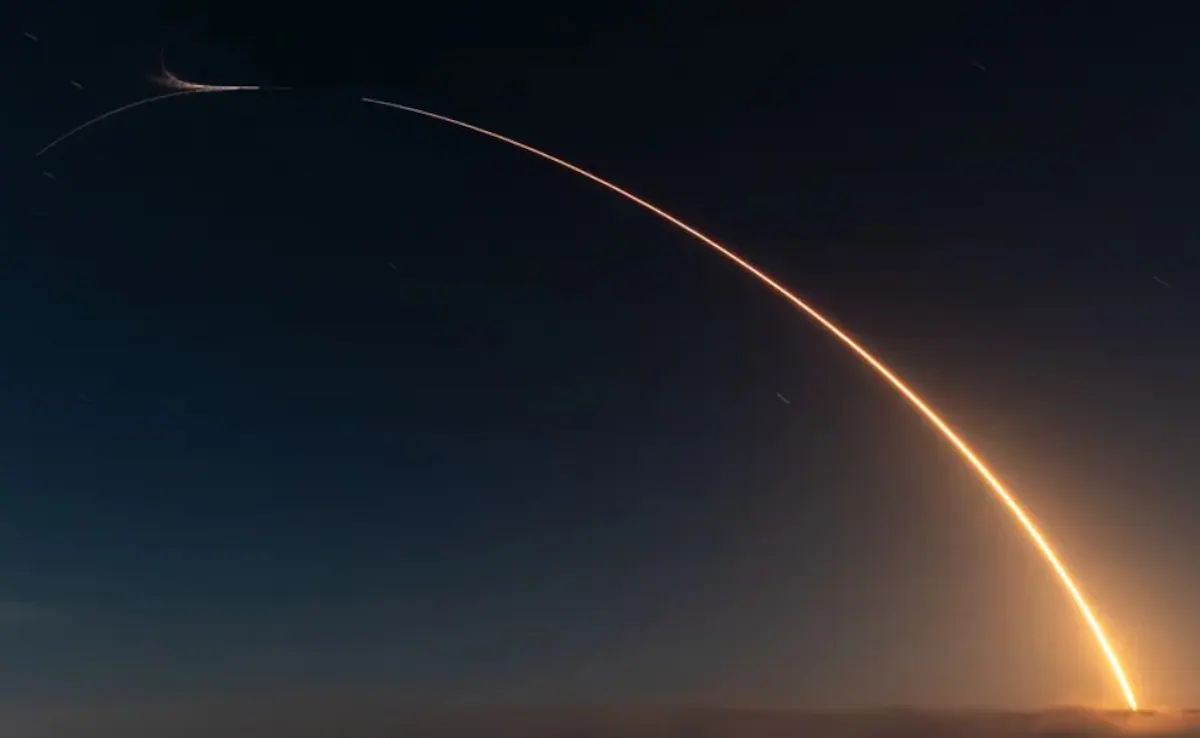
On May 3, 2026, the SpaceX Falcon 9 rocket blasted off from Vandenberg Space Force Base in California with 45 satellites in orbit. The launch mentioned here is called CAS500-2, which means the satellite that will be sent into space through this mission. CAS500-2 is made in Korea, and it is named after its parent agency, which is the Korean Aerospace Research Institute. This event once again proves that political events can affect space exploration activities.
A Satellite Years in the Making
According to Space.com, the CAS500-2 satellite is meant for high-resolution Earth observations, such as land resource management, disaster monitoring, and agricultural observations. This satellite possesses domestically made optical cameras that can detect objects as small as 0.5 meters in resolution using grayscale images. Both CAS500-1 and CAS500-2 will fly together in opposite directions, allowing the time to visit a certain area on Earth to be cut in half to 528 kilometers above the surface. Initially, the planned launch date of the satellite was in 2022 using the Soyuz rocket by Russia; however, the launch was delayed almost four years after the conflict between Russia and Ukraine.
A Record-Breaking Rideshare
The remaining 44 satellites, apart from the CAS500-2 satellite, were made by different companies such as Planet Labs, Lynk Global, True Anomaly, and Argotec. The seven satellites of Hawk Earth Observation microsatellite by Argotec belong to the IRIDE, which is the largest Earth observation constellation by Italy that was manufactured in collaboration with the European Space Agency. The Falcon 9 first stage returned to Vandenberg around 7.5 minutes after lift-off, which was its 33rd landing and one shy of SpaceX’s all-time re-use record.