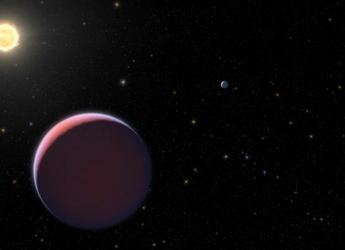


Astronomers have found one of the most ancient stars that has ever been observed. The second-generation star is located in the dwarf galaxy Pictor II, 150,000 light-years away from Earth. PicII-503 is a star which contains 1/40,000th the iron content of the Sun. The star with the lowest iron content has been discovered beyond the Milky Way. The discovery of the ancient star was published in Nature Astronomy on 16 March 2026.
A Relic of the First Stars
According to the research, PicII-503 represents the second generation of stars, which scientists classify as Population II because these stars originated from gas clouds that received material from the explosive deaths of the universe’s first stars. The first Population III stars, which created their first carbon and iron from hydrogen and helium, produced their elements through supernova explosions, which scattered material throughout the universe. The carbon-to-iron ratio of PicII-503 exceeds 1,500 times the ratio found in our Sun, which matches the chemical properties of the oldest stars that exist in the outer halo of the Milky Way galaxy.
Uncovering a Cosmic Fingerprint
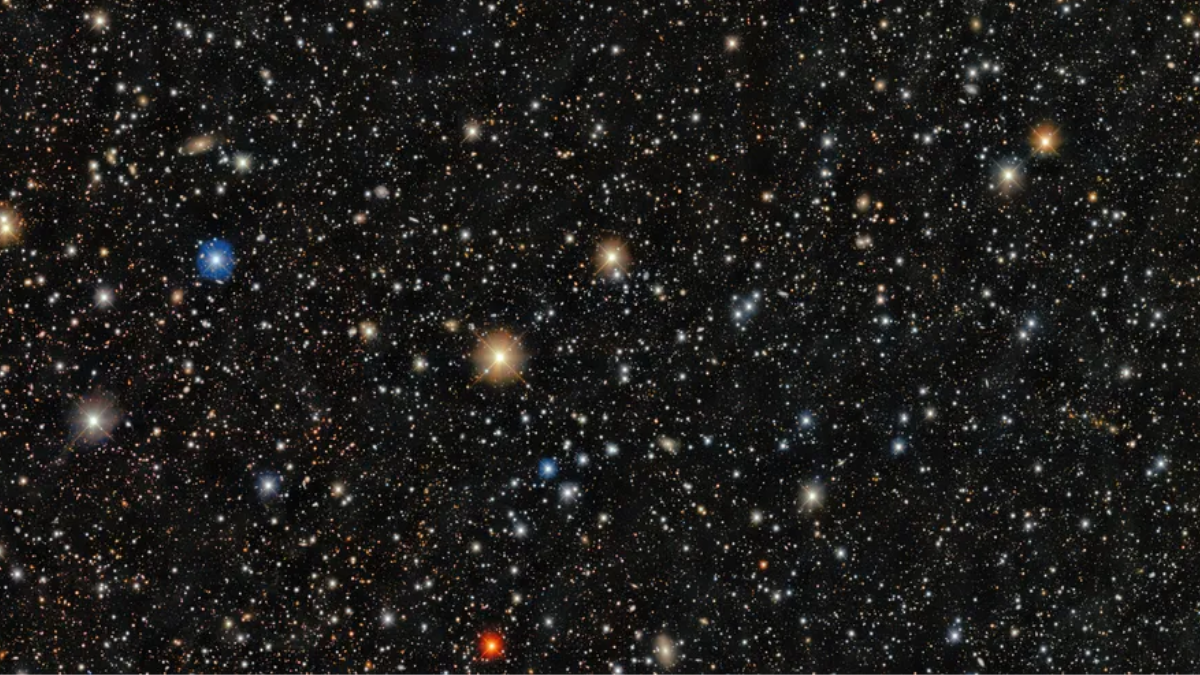
The star was discovered by the MAGIC (Mapping the Ancient Galaxy in CaHK) project, which conducted a dedicated 54-night survey of the star with the Dark Energy Camera installed at the Víctor M. Blanco Telescope in Chile. Further observations from the Very Large Telescope and the Baade Magellan Telescope verified the star’s extremely low iron and calcium content. According to team leader Anirudh Chiti of Stanford University, “This star is at the edge of what we thought possible.” This marks the beginning of the early chemical enrichment within a faint dwarf galaxy, thus linking the origin of the cosmos.
Get your daily dose of tech news, reviews, and insights, in under 80 characters on Gadgets 360 Turbo. Connect with fellow tech lovers on our Forum. Follow us on X, Facebook, WhatsApp, Threads and Google News for instant updates. Catch all the action on our YouTube channel.